Summary
Congress President Mallikarjun Kharge has launched a sharp attack on the central government, accusing it of failing to manage the country’s fuel and fertilizer needs. He described the government’s performance as a "double failure," or a "double F" grade, in these two critical sectors. Kharge claimed that while the nation faces serious economic challenges, the government is trying to distract the public with political moves like "delimitation theatrics." He argued that the lack of security in energy and farming supplies is hurting the common man and the agricultural community.
Main Impact
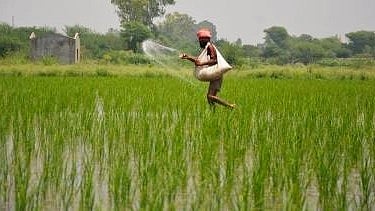
The main impact of these alleged failures is felt most strongly by farmers and rural households. Shortages in fertilizers directly affect crop yields and the income of millions of people who depend on agriculture. At the same time, the decline in domestic fuel production and problems with imports are putting pressure on the energy sector. This situation leads to higher costs for transport and cooking gas, making daily life more expensive for the average citizen. Kharge’s remarks highlight a growing concern over how the government handles basic resources that keep the economy running.
Key Details
What Happened
In a detailed statement, Mallikarjun Kharge pointed out that India’s ability to produce its own energy and farming chemicals has weakened over the last decade. He noted that the government has not been able to find enough new sources for imports to make up for the drop in domestic production. This has left the country vulnerable to global supply chain problems. Kharge also mentioned that the government is using political topics to move the public's focus away from these deep-rooted economic issues.
Important Numbers and Facts
The data shared by the Congress leader paints a worrying picture of the energy and farming sectors. According to Kharge, India’s crude oil production has been falling for 11 years in a row, reaching a low point in the 2025–26 period. Since 2014, the total output of oil has dropped significantly. Natural gas production has also seen a major shrinking over the past ten years.
In the farming sector, fertilizer production hit a five-year low in March 2026. This decline comes at a time when global suppliers like China and Russia have put limits on their exports. Kharge also highlighted shipping problems, noting that Indian ships have been stuck for weeks in the Strait of Hormuz, a key path for oil and gas. In rural areas, the supply of cooking gas (LPG) has been slow, leading to long waits and illegal selling at high prices.
Background and Context
Fuel and fertilizer are the backbone of the Indian economy. Fuel is needed for transport, factories, and homes, while fertilizer is essential for growing food for a population of over 1.4 billion people. When domestic production falls, India has to buy these goods from other countries using foreign currency. If global prices go up or shipping routes are blocked, it causes inflation and shortages at home.
For years, India has tried to become more self-reliant in these areas. However, Kharge argues that the current administration has not done enough to build new factories or secure safe trade routes. The mention of "delimitation" refers to the process of redrawing the boundaries of political constituencies. Kharge believes the government is talking about this now only to stop people from asking questions about the economy and the high cost of living.
Public or Industry Reaction
The reaction to Kharge’s statement has been strong within political circles. He even brought up comments from a senior member of the ruling party, Murli Manohar Joshi. Joshi had recently questioned the use of the term "Vishwaguru," which means a global leader or teacher, to describe India’s current position. Kharge suggested that the Prime Minister should listen to these internal voices and focus on solving domestic problems before claiming global leadership.
Farmers' groups have also expressed worry about the lack of fertilizers during the planting seasons. Many have reported having to stand in long lines for hours or pay extra to get the supplies they need. Industry experts have noted that the shipping delays in international waters are a serious risk to the country’s energy security, as they can lead to sudden spikes in fuel prices.
What This Means Going Forward
Looking ahead, the government faces the difficult task of increasing domestic production and making supply chains more secure. If the decline in oil and gas production continues, India will become even more dependent on expensive imports. This could lead to a weaker currency and higher prices for everything from food to electricity. In the farming sector, the government needs to find new countries to buy fertilizers from to avoid the restrictions set by China and Russia.
There is also a need to improve the distribution of cooking gas in rural areas to prevent black marketing. If these issues are not addressed, the economic pressure on the poor and middle class will likely grow. The political debate over these "double failures" is expected to get louder as the next election cycle approaches, with the opposition using these facts to challenge the government’s record on economic management.
Final Take
The "double F" rating given by Kharge serves as a reminder that a nation’s strength is built on its ability to provide basic necessities like energy and food security. While political debates often focus on grand ideas, the reality for most people is found in the price of fuel and the availability of supplies for their farms. Addressing these core issues is vital for the country's stability and growth. Moving forward, the focus must shift from political distractions to practical solutions that help the common citizen.
Frequently Asked Questions
What does "double F" mean in this context?
It refers to the "double failure" of the government in managing two key areas: Fuel security and Fertilizer security.
Why is fertilizer production falling in India?
Production reached a five-year low due to various domestic challenges and a failure to secure enough raw materials and imports from global sources like Russia and China.
How are shipping issues affecting India's fuel supply?
Indian ships have faced delays in key international routes like the Strait of Hormuz, which slows down the arrival of oil and gas and creates risks for the national supply chain.