
Summary
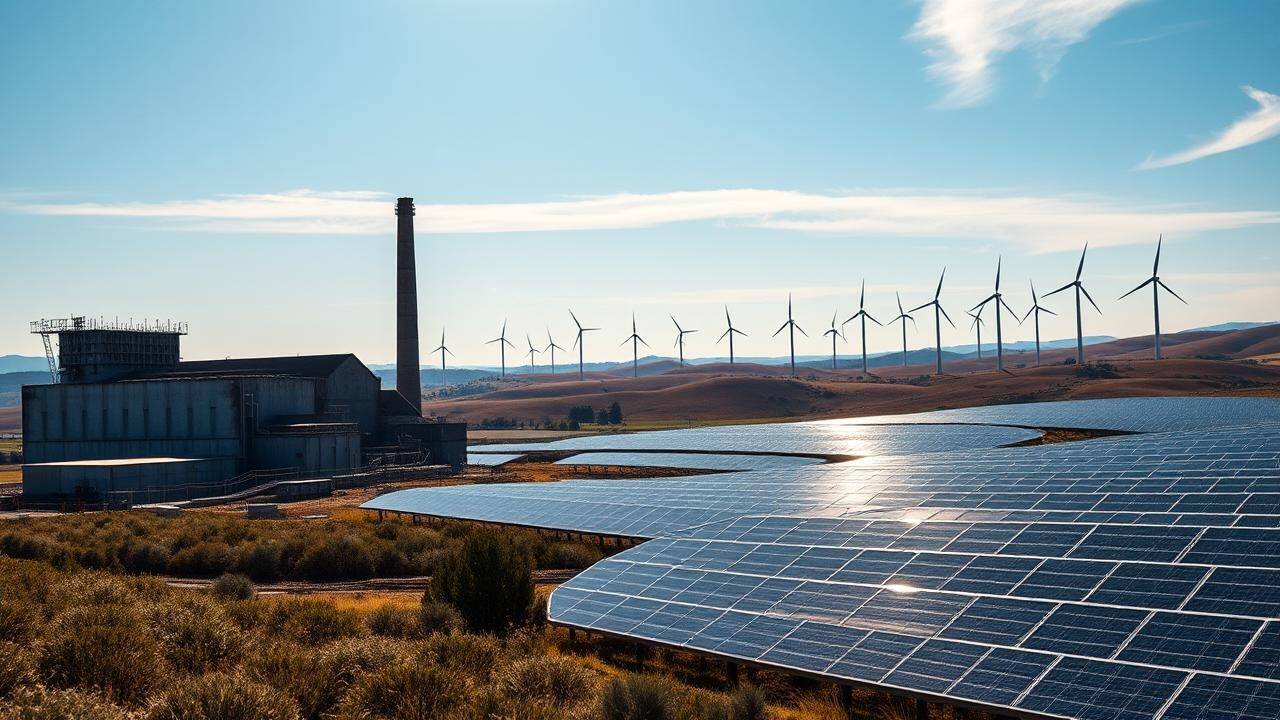
India saw a significant drop in the amount of electricity produced from fossil fuels during the month of March. This change happened because the country is quickly moving toward using more renewable energy sources like solar and wind power. As the government pushes for cleaner energy, the reliance on coal and gas is starting to fade. This shift is a major part of India's plan to protect the environment and meet its climate goals for the future.
Main Impact
The decrease in fossil fuel output marks a big change for India’s energy industry. For a long time, coal has been the main way the country generates electricity. However, the recent data shows that green energy is now capable of taking on a much larger share of the load. This change helps reduce the amount of carbon dioxide and other harmful gases released into the air. It also shows that the massive investments made in solar panels and wind turbines over the last few years are finally paying off in a visible way.
Key Details
What Happened
In March, power plants that use coal and natural gas produced much less electricity than they usually do. At the same time, renewable energy plants saw a boost in their production. This happened even though the total demand for electricity across the country remained high. Usually, when people use more power, coal plants have to work harder. This time, the extra energy came from clean sources instead. This allowed many older coal plants to slow down their operations or take breaks for maintenance without causing any power shortages.
Important Numbers and Facts
Recent reports indicate that the share of fossil fuels in the total power mix dropped by several percentage points compared to the same time last year. Solar energy production has seen the biggest jump, growing by nearly 20% in some regions. The government has been working toward a goal of having 500 gigawatts of non-fossil fuel energy capacity by the year 2030. The progress seen in March suggests that the country is on the right track to hit these targets. Additionally, the cost of producing solar power has continued to fall, making it a cheaper option than buying coal from overseas.
Background and Context
India is one of the world’s largest consumers of energy. For decades, the country relied on its large coal reserves to power its growing economy and provide electricity to millions of homes. While coal is reliable, it is also very dirty and contributes to heavy air pollution in many Indian cities. To fix this, the government started offering incentives for companies to build solar farms and wind parks. They also created a "Green Energy Corridor" to help move clean electricity from rural areas where it is produced to the big cities where it is needed most. This March decline in fossil fuel use is a sign that these long-term plans are working.
Public or Industry Reaction
Energy experts and environmental groups have welcomed the news. Many analysts believe this could be a turning point for the nation's power sector. They note that while coal will still be needed for a few more years, its time as the "king" of Indian energy is coming to an end. Some industry leaders have pointed out that the transition is not without challenges. They mention that the power grid needs to be stronger to handle the way solar and wind energy can change depending on the weather. However, the general feeling is positive, as cleaner air and cheaper energy benefit everyone in the long run.
What This Means Going Forward
As the summer months approach and temperatures rise, the demand for electricity will likely reach record levels. The real test for the energy sector will be whether renewable sources can continue to meet this demand during the hottest parts of the year. The government is expected to focus more on energy storage, such as large batteries, so that solar power collected during the day can be used at night. If India can maintain this trend, it will significantly lower its national carbon footprint and set an example for other developing nations that are trying to switch to green energy.
Final Take
The sharp drop in fossil fuel power output in March is a clear sign of progress. It shows that India is no longer just talking about green energy but is actually using it to power the country. While there is still a long way to go before coal is completely replaced, the current trend is very encouraging. This shift promises a future with cleaner air, more stable energy prices, and a healthier environment for the next generation.
Frequently Asked Questions
Why did fossil fuel use drop in March?
Fossil fuel use dropped because India produced more electricity from renewable sources like solar and wind. This allowed the country to rely less on coal-fired power plants even as energy demand stayed high.
Is India moving away from coal entirely?
India is planning to reduce its reliance on coal over time, but it will still use coal for several years to ensure the power grid remains stable. The goal is to make renewable energy the primary source of power in the future.
What are the benefits of using more renewable energy?
Using more renewable energy helps reduce air pollution, lowers carbon emissions that cause climate change, and can eventually lead to cheaper electricity costs for homes and businesses.



