Summary
The Indian government has officially denied reports that it paid Iran for the safe passage of its ships through the Strait of Hormuz. These claims surfaced after Iranian forces fired upon two Indian-flagged vessels earlier in April, forcing them to turn back. Officials have labeled reports of cash or cryptocurrency payments as "fake news" and are working to ensure the safety of maritime trade. This situation highlights the growing tension in one of the world's most important oil shipping routes.
Main Impact
The recent violence in the Strait of Hormuz has created significant worry for the global shipping industry. When ships are fired upon in this narrow waterway, it disrupts the flow of energy to the rest of the world. For India, the impact is direct because the country relies heavily on this route for its oil and gas imports. Any threat to these ships can lead to higher fuel prices and delays in supply chains.
By denying the payment rumors, the Indian government is trying to maintain its official stance on maritime security. If shipowners were forced to pay for safety, it would set a dangerous precedent and could encourage more illegal activity or scams. The clarification helps protect the reputation of Indian shipping companies and clarifies that the government does not support unofficial "protection" payments.
Key Details
What Happened
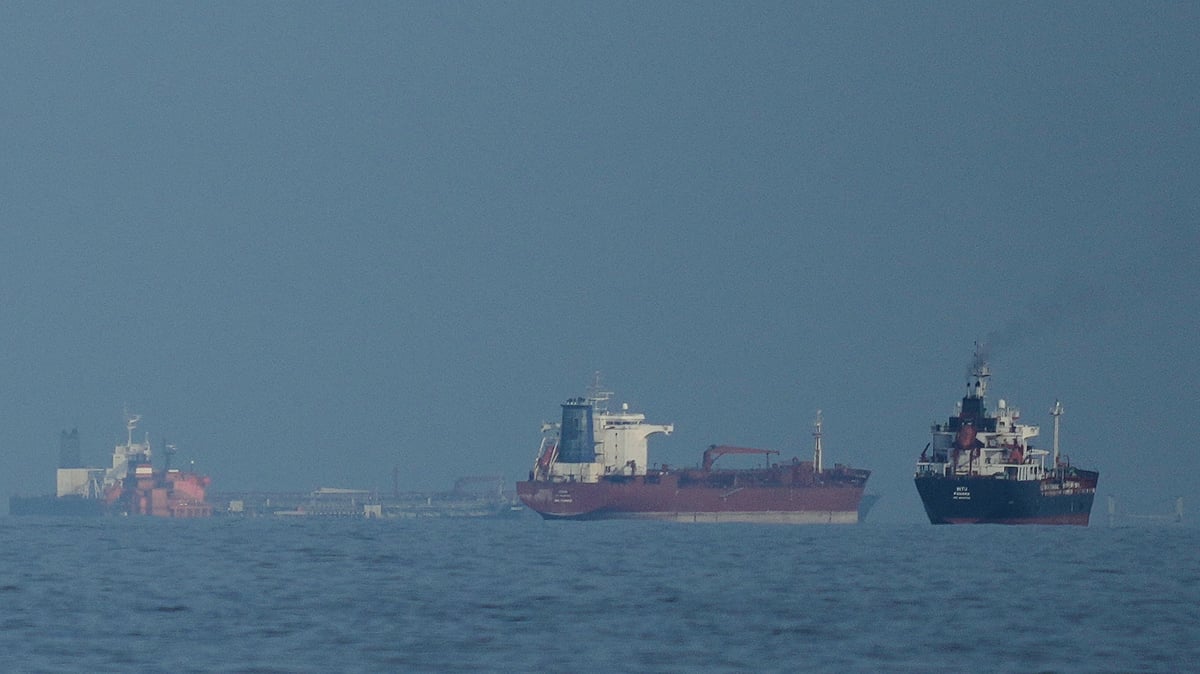
On April 18, 2026, two ships flying the Indian flag attempted to sail through the Strait of Hormuz. Despite having prior permission to pass, they were met with gunfire from Iranian forces. The ships were forced to stop their journey and retreat to safer waters. This incident caused immediate concern among maritime authorities and led to rumors that payments were being made to secure future safe passage.
An audio recording from one of the ships, the Sanmar Herald, was shared on social media. In the clip, the captain is heard speaking to Iranian forces. He explains that he had already received clearance to pass and asks them to stop firing so he can turn the ship around. This evidence confirmed that the ships were under direct threat despite following standard protocols.
Important Numbers and Facts
The Strait of Hormuz is a critical point for the global economy. Approximately 20 percent of the world's total oil and liquefied natural gas (LNG) passes through this narrow stretch of water. Since late February, the area has seen increased conflict, leaving many vessels stranded in the Persian Gulf. At least two Indian ships were directly involved in the April 18 firing incident, including a large tanker carrying crude oil from Iraq.
Background and Context
The Strait of Hormuz is a small but vital waterway that connects the Persian Gulf to the rest of the world's oceans. It is the only way for many oil-producing countries to get their products to international markets. Because it is so narrow, it is easy for local military forces to control or block the path. This makes it a frequent spot for political and military tension.
The current problems are part of a larger conflict in West Asia that has been getting worse since February. Tensions between the United States and Iran have also made the situation more difficult. Iran has increased its control over the shipping lanes, while the U.S. has put more restrictions on how ships can move in the area. This has left commercial shipping companies caught in the middle of a high-stakes disagreement between nations.
Public or Industry Reaction
The Indian Ministry of Ports, Shipping and Waterways has been very clear in its response. Mukesh Mangal, a senior official in the ministry, stated that there is no evidence of any Indian ship paying for safety. He confirmed that the government spoke directly with shipowners, who also denied making any payments. Sanmar Shipping, a company based in Chennai, issued its own statement calling the reports of a cryptocurrency scam "completely false."
Industry experts are worried that scammers are trying to take advantage of the fear caused by the firing incidents. There have been reports of people offering "safe passage" services in exchange for digital currency. The government's quick denial is seen as a way to warn shipowners not to fall for these tricks and to rely only on official government channels for help.
What This Means Going Forward
The Indian government is now working closely with the Ministry of External Affairs and other maritime agencies to monitor the situation. They are checking the safety of the water every day before allowing more ships to try and pass through. This means that some shipments might be delayed as the government waits for a safer time to move.
If the tension in the Strait of Hormuz does not go down, India and other countries may have to find different ways to get their oil. This could be more expensive and take more time. The international community is also watching closely, as a total closure of the strait would cause a massive spike in energy prices worldwide. For now, the focus remains on diplomatic talks to ensure that commercial ships can move without being attacked.
Final Take
The safety of international shipping is essential for a stable global economy. While the firing on Indian ships is a serious concern, the government is focused on facts rather than rumors of secret payments. Ensuring that the Strait of Hormuz remains open and safe is not just a local issue for India or Iran, but a global necessity that requires clear communication and strong maritime protection.
Frequently Asked Questions
Did India pay Iran for ship safety?
No. The Indian government and shipping companies have officially denied making any payments in cash or cryptocurrency to secure safe passage through the Strait of Hormuz.
Why is the Strait of Hormuz important?
It is a vital shipping route that handles about 20 percent of the world's oil and gas. It is the main path for energy exports coming out of the Persian Gulf.
What happened to the Indian ships on April 18?
Two Indian-flagged ships were fired upon by Iranian forces while trying to pass through the strait. The ships were forced to turn back, but no injuries were reported.