Summary
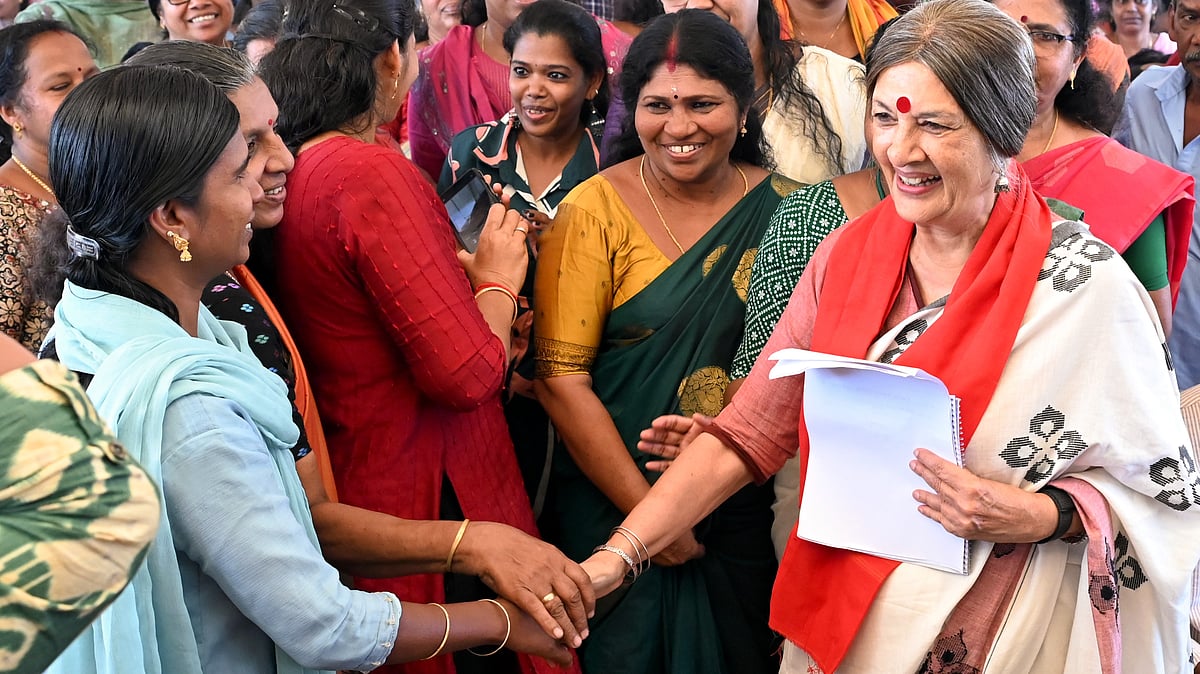
Brinda Karat, a senior leader of the CPI(M), has called on Prime Minister Narendra Modi to implement the 33 percent reservation for women in politics immediately. In an open letter sent on April 21, 2026, she argued that the government should stop linking the quota to the national census and the redrawing of voting districts. Karat believes these conditions are unnecessary hurdles that keep women from having a fair voice in the country’s law-making process. She stressed that waiting for these processes only serves to delay justice for women across India.
Main Impact
The primary impact of this delay is the continued low number of women in the Lok Sabha and state assemblies. Currently, there are only 74 women in the Lok Sabha. If the 33 percent reservation were put into practice today, that number would rise to about 180. By keeping the quota tied to the census and the redrawing of boundaries, the government is effectively blocking more than 100 women from entering parliament. This delay affects how laws are made and ensures that women’s perspectives remain underrepresented in the highest levels of government.
Key Details
What Happened
Brinda Karat wrote a direct letter to the Prime Minister to express her frustration with the slow progress of the women’s quota. She criticized the government for making promises during elections but failing to act when they had the power to do so. Karat pointed out that the government has held a strong majority in parliament for years, yet they chose to add complicated conditions to the reservation law instead of making it active right away. She also challenged the Prime Minister’s claim that he has always supported the movement, stating that women’s organizations have had to fight for this for decades without help from the current leadership.
Important Numbers and Facts
The current state of representation shows a significant gap. While the goal is to have 33 percent of seats reserved for women, many states currently see less than 10 percent of their assembly seats held by women. Karat also raised concerns about the data being used for these changes. She noted that using old census data might hurt the representation of Scheduled Castes (SC) and Scheduled Tribes (ST), as it does not reflect the current population. The 2023 law specifically states that the quota will only begin after the next census is finished and the "delimitation" process—which means redrawing the lines of voting areas—is complete.
Background and Context
The fight for women’s reservation in India has been going on for over thirty years. The idea is to ensure that one-third of all seats in the Lok Sabha and state legislative assemblies are held by women. While a law was finally passed in 2023, it came with a "catch." The government decided that the quota could not start until India conducts a new census and then uses that data to redraw the boundaries of every voting district. Since the census has been delayed multiple times, the start date for the women's quota remains unknown. This has led to accusations that the government is using technicalities to avoid sharing political power.
Public or Industry Reaction
The reaction to this delay has been split along political lines. Opposition leaders and women’s rights groups have been vocal in their criticism. They argue that if the government truly wanted to empower women, they would have implemented the quota using the existing district boundaries. On the other side, the ruling party maintains that redrawing the districts is a legal necessity to ensure that the seats are distributed fairly based on the most recent population counts. This disagreement reached a boiling point recently when a new bill related to this issue failed to pass in the Lok Sabha, leading to a fresh round of finger-pointing between the government and the opposition.
What This Means Going Forward
The path forward remains uncertain. As long as the quota is tied to the census and the redrawing of districts, it is unlikely to be implemented before the next major elections. This means that for the foreseeable future, women will continue to hold a small fraction of political seats. There is also a growing demand for a "caste census" to be included in this process. Advocates believe that without understanding the social and economic status of different groups, the reservation system will not be truly fair. The government’s refusal to separate these issues suggests that the debate will continue to be a major political battleground in the coming years.
Final Take
True political equality should not be treated as a secondary goal that waits for paperwork and population counts. If the government is serious about women's leadership, it must remove the obstacles it created. Representation is a right, not a reward for waiting through years of administrative delays.
Frequently Asked Questions
What is the 33 percent reservation for women?
It is a law that sets aside one-third of the seats in India's parliament and state assemblies specifically for women candidates to ensure they have a fair share of political power.
Why is the women's quota being delayed?
The government has linked the start of the quota to two things: a new national census and the redrawing of voting district boundaries. Both of these processes take a long time to complete.
What does "delimitation" mean in this context?
Delimitation is the process of changing the boundaries of voting areas to make sure each area has a similar number of voters. The government says this must happen before the women's seats can be assigned.