Summary
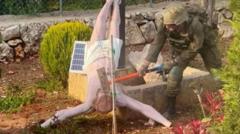
The Israeli military has taken disciplinary action against two soldiers who were caught damaging a religious statue in Lebanon. The soldiers were filmed while they vandalized a statue of Jesus, an act that quickly drew negative attention online. In response, the military leadership decided to remove the soldiers from their combat roles and sentenced them to 30 days in a military prison. This move highlights the military's effort to maintain discipline and respect for religious symbols during active operations.
Main Impact
The main impact of this decision is the message it sends to other troops and the international community. By punishing these soldiers, the Israel Defense Forces (IDF) are trying to show that they do not support the destruction of religious or cultural property. In a region where religious identity is very important, such actions can lead to increased anger and more conflict. The punishment serves as a warning that soldiers must follow a code of conduct, even when they are in a war zone.
Key Details
What Happened
The incident came to light after a video began circulating on social media platforms. The footage showed the soldiers interacting with and damaging a statue of Jesus in a Lebanese village. While the exact location was not named in every report, the event took place during recent military activities in southern Lebanon. The military conducted an internal investigation shortly after the video went viral to identify the individuals involved and determine the facts of the case.
Important Numbers and Facts
The military's response was swift and included specific penalties for the two individuals. The soldiers will serve 30 days of military detention, which is a form of jail for service members. Additionally, they have been permanently removed from combat duty. This means they will no longer serve on the front lines or participate in active fighting. The IDF stated that the behavior of these soldiers was a violation of military values and did not represent the conduct expected of its members.
Background and Context
Lebanon is a country with a very diverse population. It is home to many different religious groups, including Muslims, Christians, and Druze. Because of this diversity, religious symbols like statues, churches, and mosques are highly respected and protected by local laws and international agreements. When a foreign military enters an area, the way they treat these symbols can have a huge effect on how the local people and the rest of the world view them.
International rules of war also state that religious and cultural sites should be protected during a conflict. Damaging these sites is often seen as a serious offense. In the past, similar incidents in different parts of the world have led to long-term resentment and have made it harder for peace to be reached. By taking action now, the military is attempting to prevent this single event from causing a much larger diplomatic problem.
Public or Industry Reaction
The reaction to the video was immediate. Many people on social media expressed anger, calling the act disrespectful and unnecessary. Religious leaders and human rights groups often monitor these situations closely to ensure that soldiers are held accountable for their actions. Within Israel, the military leadership was quick to condemn the behavior. They emphasized that the IDF is expected to act with "purity of arms," a term they use to describe ethical behavior during war. The decision to punish the soldiers was likely intended to calm public anger and show that the military takes these violations seriously.
What This Means Going Forward
Going forward, this incident will likely lead to more training for soldiers regarding the respect of cultural and religious property. Military leaders often use these types of mistakes as "teaching moments" to remind troops of the rules. There may also be stricter monitoring of social media use among soldiers. Since many soldiers carry smartphones, their actions are often recorded and shared instantly, which can create major problems for military public relations.
The removal of the soldiers from combat duty also suggests that the military wants to ensure that those on the front lines are disciplined and focused. If a soldier cannot follow basic rules regarding property and respect, they are often seen as a risk to the mission. This case sets a clear example for others serving in the area.
Final Take
Respecting religious symbols is a basic part of international law and human decency, especially during times of war. The punishment of these two soldiers shows that even in the middle of a conflict, there are lines that should not be crossed. While the physical damage to the statue may be small, the symbolic damage could have been much worse if the military had ignored the situation. Accountability is key to maintaining order and preventing a conflict from becoming even more personal and religious in nature.
Frequently Asked Questions
Why were the soldiers punished?
They were punished for vandalizing a statue of Jesus in Lebanon. Their actions were caught on video and went against the military's code of conduct regarding the respect of religious symbols.
What was the specific punishment?
The two soldiers were sentenced to 30 days in military detention and were removed from their combat positions, meaning they can no longer serve on the front lines.
Why is this incident significant?
It is significant because Lebanon has a large Christian population, and damaging religious symbols can cause serious social and diplomatic tension. It also shows how social media is used to hold soldiers accountable for their actions during war.