Summary
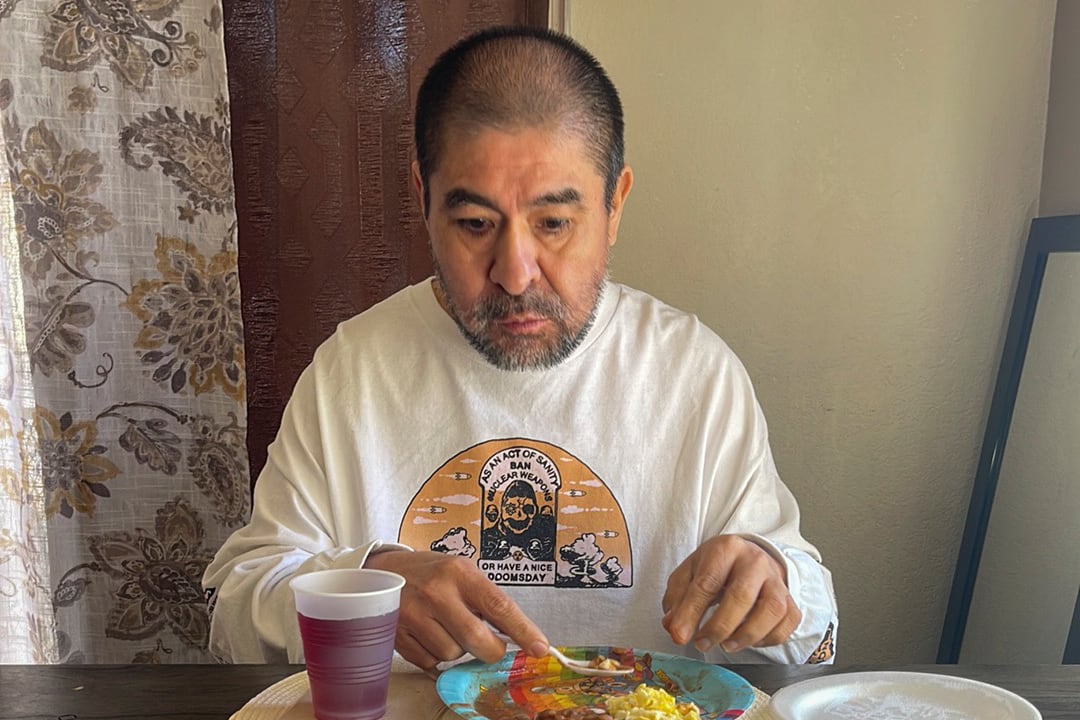
Jesús Juárez Cruz, a Mexican immigrant living in the United States, passed away after refusing to seek medical help for a worsening illness. His death was not caused by a lack of medicine, but by a deep fear of being arrested and deported by Immigration and Customs Enforcement (ICE). His wife, Guadalupe, shared their story to highlight the life-threatening choices many undocumented families face under strict immigration policies. This tragedy shows how fear can prevent people from accessing basic healthcare, leading to preventable deaths.
Main Impact
The death of Jesús Juárez Cruz serves as a grim example of the "chilling effect" caused by aggressive immigration enforcement. When people are too afraid to go to the hospital, simple health problems can turn into fatal conditions. This situation does not just affect one family; it creates a public health crisis. When a large group of people avoids doctors, it puts the entire community at risk and places a heavy burden on the emergency care system when patients finally arrive in critical condition.
Key Details
What Happened
Jesús was once a healthy and active man who spent his time working and playing with his granddaughter. However, his health began to decline rapidly. As he grew weaker, his wife, Guadalupe, begged him to go to a hospital to see a doctor. Every time she asked, Jesús refused. He told her he was terrified that immigration officers would be waiting at the hospital to take him away. He chose to stay at home, where he felt safer from the government, even as his body failed him. He eventually died in his own home, surrounded by memories rather than medical equipment.
Important Numbers and Facts
The fear felt by Jesús is shared by millions of undocumented people in the U.S. Under the administration of Donald Trump, immigration enforcement became a top priority, leading to a rise in arrests and deportations. While hospitals are often considered "sensitive locations" where ICE should not conduct raids, many migrants do not trust these rules. Reports of immigration officers waiting near clinics or checking IDs in waiting rooms have spread through immigrant communities, making many people believe that a trip to the ER is a one-way ticket out of the country.
Background and Context
For many years, hospitals and schools were seen as safe zones for everyone, regardless of their legal status. However, changes in political rhetoric and enforcement tactics have changed that perception. For an undocumented person, every interaction with a government-funded or official building feels like a risk. This fear is often stronger than the fear of illness itself. In the case of Jesús, the threat of being separated from his family through deportation was more frightening than the physical pain he was suffering. This environment forces people to live in the shadows, even when their lives are on the line.
Public or Industry Reaction
Health experts and human rights advocates have expressed deep concern over stories like that of Jesús. Doctors argue that their primary job is to save lives, not to check immigration papers. Many medical associations have called for clearer laws that strictly forbid immigration enforcement inside or near healthcare facilities. They warn that if people are scared to seek care, it undermines the entire healthcare system. Advocacy groups are also working to educate immigrant families about their rights, though they admit that rebuilding trust with the community will take a long time and significant policy changes.
What This Means Going Forward
The death of Jesús Juárez Cruz is a call for change in how immigration and public health intersect. Moving forward, there must be a focus on making hospitals truly safe for everyone. If the government continues to use fear as a tool for enforcement, more people will die from treatable illnesses. Community leaders are pushing for "sanctuary" policies in hospitals to ensure that no patient has to worry about ICE while they are fighting for their life. For Guadalupe and her family, the focus is now on mourning a man who might still be alive if he hadn't been so afraid of the law.
Final Take
No person should have to choose between their health and their home. The story of Jesús is a painful reminder that immigration policies have human costs that go far beyond paperwork and borders. When fear keeps a sick man away from a doctor, the system has failed to protect basic human dignity. His story is a plea for a more compassionate approach that values life over legal status.
Frequently Asked Questions
Why did Jesús refuse to go to the hospital?
He was afraid that immigration officers (ICE) would arrest him and deport him back to Mexico, separating him from his family.
Are hospitals safe for undocumented immigrants?
While hospitals are generally considered "sensitive locations" where immigration raids are rare, many people still fear that their information will be shared with the government.
What is the "chilling effect" in immigration?
It refers to a situation where people stop using essential services, like healthcare or education, because they are afraid that doing so will lead to their deportation.