
Summary
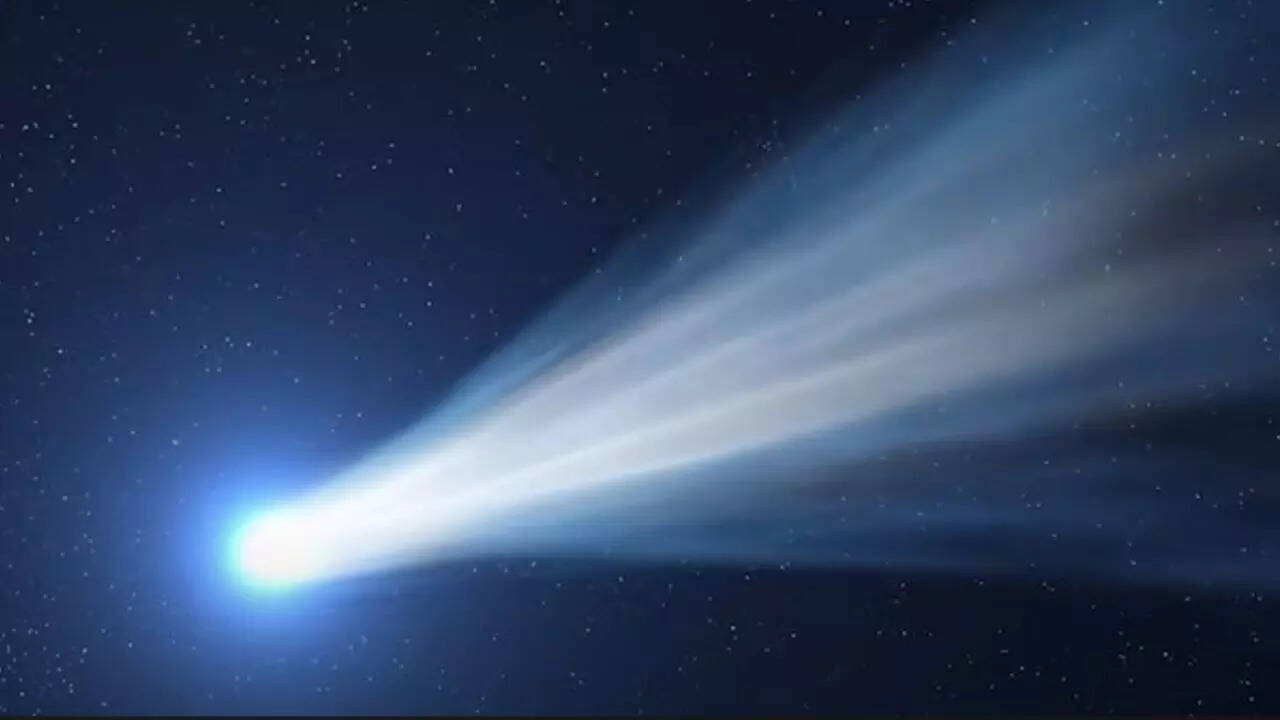
NASA’s Hubble Space Telescope has captured a rare and dramatic event in our solar system. Comet C/2025 K1, a large body of ice and dust, has begun to break apart as it travels through space. This disintegration offers scientists a unique chance to study the internal structure of a comet. By watching it crumble, researchers can learn more about the materials that helped form our planets billions of years ago.
Main Impact
The breakup of Comet C/2025 K1 is a significant moment for the scientific community. While many comets pass by the Sun safely, others cannot handle the extreme heat and gravitational pressure. When a comet falls apart, it reveals its "inner guts," which are usually hidden deep under a crust of dark dust. This event allows astronomers to see the raw building blocks of the solar system without having to land a probe on the comet’s surface.
Key Details
What Happened
As Comet C/2025 K1 moved closer to the inner solar system, it began to show signs of instability. The Hubble Space Telescope, orbiting high above Earth, noticed that the comet’s bright center was no longer a single point. Instead, it had split into several smaller, glowing fragments. These pieces are now drifting away from each other, surrounded by a massive cloud of gas and debris. This process is often called "fragmentation," and it usually signals the end of a comet’s life.
Important Numbers and Facts
Comet C/2025 K1 was first discovered in May 2025. At that time, it appeared to be a solid object several miles wide. As it approached within a few hundred million miles of the Sun, the temperature on its surface rose rapidly. Hubble’s high-resolution cameras captured the breakup from a distance of millions of miles. The telescope is currently positioned about 340 miles above Earth, giving it a clear view of the stars without the interference of our atmosphere.
Background and Context
Comets are often described by scientists as "dirty snowballs." They are made of frozen gases, rocks, and dust that have remained unchanged since the solar system began. Most comets live in the very cold, outer edges of space, far beyond the planet Neptune. Occasionally, the gravity of a star or a large planet pushes one of these icy rocks toward the Sun.
When a comet gets close to the Sun, the ice starts to turn directly into gas. This process is called sublimation. This gas creates the long, glowing tail that people can sometimes see from Earth. However, if the gas builds up too much pressure inside the comet, or if the Sun’s gravity pulls too hard on it, the comet can explode or simply crumble into pieces. This is exactly what happened to C/2025 K1.
Public or Industry Reaction
Astronomers around the world are excited about this discovery. While it is a shame that the comet will not survive to become a bright object in the night sky, the data gathered is much more valuable. Space agencies are now coordinating to point other telescopes, including those on the ground, toward the fragments. This team effort will help create a complete picture of the comet’s death. On social media, space fans have shared the Hubble images, marveling at the fragile nature of these cosmic travelers.
What This Means Going Forward
In the coming weeks, the fragments of Comet C/2025 K1 will likely continue to get smaller. Some of the pieces may vaporize completely, turning into nothing but a cloud of dust. Scientists will use special tools to analyze the light coming from these pieces. This light tells them exactly what chemicals are inside the comet, such as water, carbon monoxide, or complex organic molecules. This information helps us understand if comets could have brought water or the ingredients for life to early Earth.
Final Take
The death of Comet C/2025 K1 is a reminder that our solar system is a violent and changing place. Even though this comet is disappearing, it is leaving behind a wealth of knowledge. Every piece of dust and gas it sheds tells a story about where we came from. Thanks to the Hubble Space Telescope, we have a front-row seat to one of nature’s most impressive disappearing acts.
Frequently Asked Questions
Why do comets break apart?
Comets break apart because they are held together loosely. When they get close to the Sun, the heat turns their ice into gas, creating internal pressure. The Sun’s gravity can also pull on different parts of the comet, causing it to snap.
Can we see Comet C/2025 K1 with our own eyes?
Currently, the comet is too faint to see without a professional telescope. Because it has broken into smaller pieces, it is unlikely to become bright enough for the general public to see with the naked eye.
Is the breaking comet a danger to Earth?
No, the comet and its fragments are very far away from Earth. There is no risk of any pieces hitting our planet. The debris will continue to follow its path through space, far from our atmosphere.

