
Summary
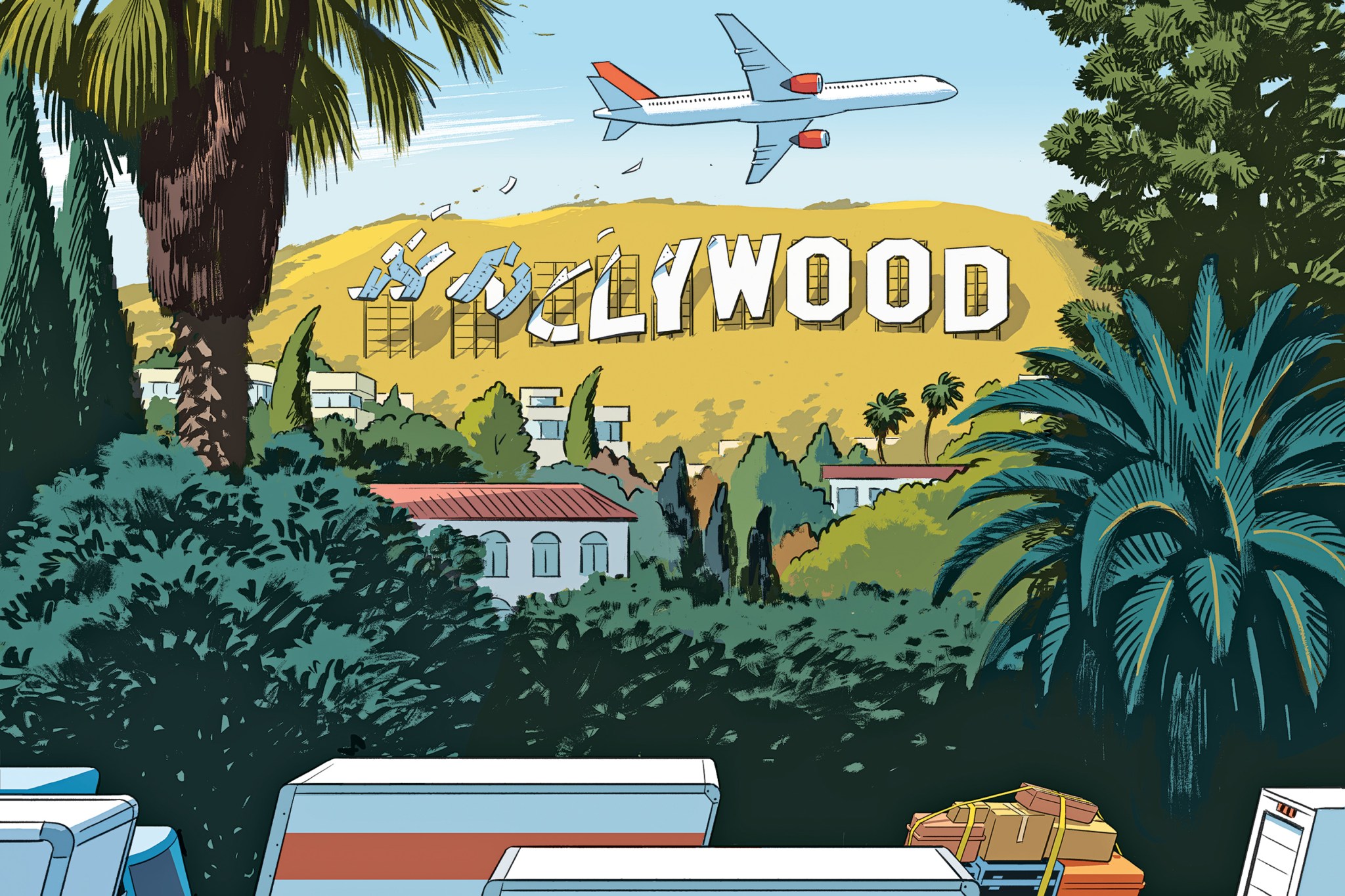
Hollywood is facing a major crisis that is changing the face of the movie business. While the Academy Awards still celebrate the glamour of Los Angeles, the reality behind the scenes is much darker. For the first time, none of the ten movies nominated for Best Picture were actually filmed on Hollywood soundstages. This shift shows that the traditional home of the film industry is losing its power to other locations and technology companies.
Main Impact
The entertainment industry in Los Angeles is shrinking at an alarming rate. Production activity has dropped by nearly half in just three years, leading to a massive loss of jobs. As filming moves to other states and countries to save money, the local economy of Los Angeles is suffering. This "death spiral" suggests that Hollywood is no longer the central hub where movies are made, but rather a place that simply hosts the parties after the work is done elsewhere.
Key Details
What Happened
The recent list of Best Picture nominees highlights a startling trend. Movies like Marty Supreme, Sinners, and Hamnet were filmed in places like New York, Louisiana, and the United Kingdom. Not one of the top ten films used the famous studio lots in Los Angeles for their main production. At the same time, the leadership of the industry has shifted. The most powerful person in film today is not a traditional studio head, but the leader of Netflix, a company based in Silicon Valley rather than Hollywood.
Important Numbers and Facts
Data from FilmLA shows a sharp decline in local work. In 2022, there were 36,792 filming days in Los Angeles. By 2025, that number fell to only 19,694. This drop has forced about 41,000 workers to leave the industry between 2022 and 2024. Furthermore, Netflix has grown so large that its market value of $358 billion is now more than Disney and Sony combined. Even the Oscars are changing; starting in 2029, the awards show will move from traditional TV to YouTube.
Background and Context
For over a century, Hollywood worked as a "cluster." This means that because all the best writers, actors, and technicians lived in one place, the industry grew stronger. People could easily share ideas and move from one project to the next. This started in the early 1900s when filmmakers moved to California for the sunny weather and cheap land. Over time, this created a "dream factory" that exported American culture to the entire world. However, new technology and high living costs in California are now breaking this circle apart.
Public or Industry Reaction
Workers in the industry are feeling the pain of these changes. Many writers and crew members find it impossible to make a living in Los Angeles today. In the past, a TV show might have 22 episodes a year, providing steady pay. Now, streaming services often order only five or six episodes, leaving workers without a stable income. Some professionals have even started working for artificial intelligence companies—the very technology that many fear will eventually replace their jobs. Industry leaders describe the current state of Los Angeles as quiet and empty, comparing it to cities that lost their manufacturing jobs years ago.
What This Means Going Forward
The future of filmmaking looks very different from its past. As production becomes more global, Los Angeles will likely continue to lose its status as the world's movie capital. The rise of artificial intelligence and social media platforms like TikTok and YouTube means that more content is being created by individuals rather than big studios. While this offers more choices for viewers, it also threatens the quality and craft that Hollywood was known for. The "soft power" of American movies—the ability to spread culture and values through film—may weaken as the industry becomes more fragmented.
Final Take
The decline of Hollywood marks the end of an era where one city controlled the world's imagination. As tech giants from Silicon Valley take over, the traditional movie business is being forced to adapt or disappear. The lights may still be bright on Oscar night, but the foundation of the industry has already moved on.
Frequently Asked Questions
Why are movies no longer being filmed in Hollywood?
It has become too expensive to film in Los Angeles. Other places like Georgia, Canada, and Europe offer tax breaks and lower costs, which draws production away from California.
How has Netflix changed the movie industry?
Netflix uses data to decide what to make and pays creators a flat fee upfront instead of long-term royalties. This has changed how workers earn money and how movies are distributed.
What is happening to the Oscars in the future?
The Academy Awards will stop airing on traditional broadcast television in 2029. Instead, the ceremony will be shown exclusively on YouTube, reflecting the shift toward digital platforms.



