
Summary
The global political and economic scene is seeing major changes today as the United States begins formal peace talks with Iran. While these talks offer hope for international stability, the White House is simultaneously launching several domestic battles against the media, financial rule-breakers, and even the Pope. These events are happening as the stock market shows growth, despite new concerns about the safety of artificial intelligence and a shrinking workforce that may soon rely on robots.
Main Impact
The start of peace talks between the U.S. and Iran is the most significant shift in foreign policy in years. If successful, these discussions could lower the risk of war and change how oil is traded globally. However, the positive news abroad is being met with intense conflict at home. The Trump administration is taking an aggressive stance against traditional news outlets and people who use secret information to profit in the stock market. This "war" on multiple fronts creates a strange mix of global hope and domestic tension.
Key Details
What Happened
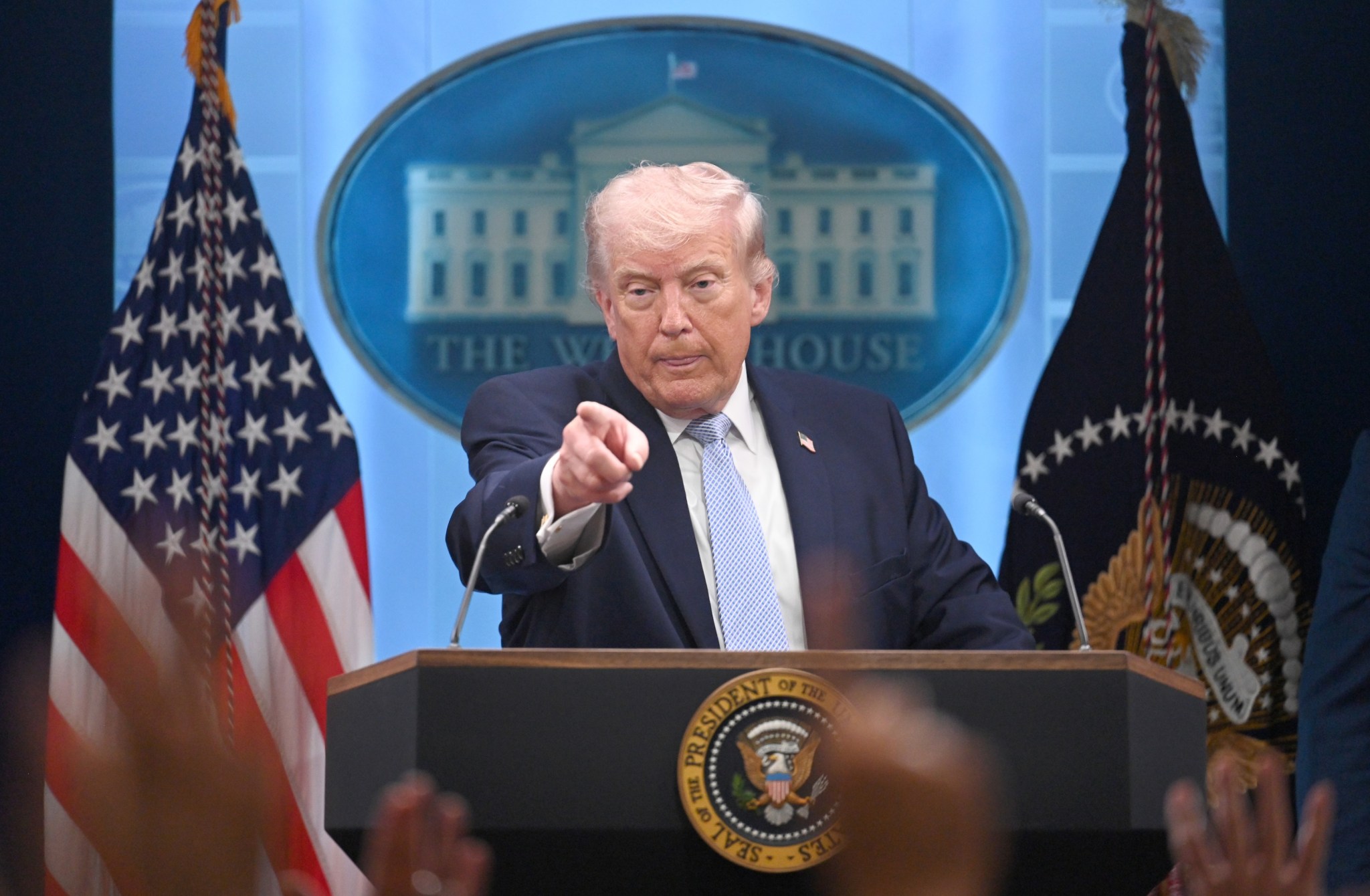
Diplomats from the U.S. and Iran have officially met to discuss a path toward peace. This move is unexpected for many who have watched the two nations struggle for decades. At the same time, the White House has increased its verbal and legal attacks on the press, accusing them of unfair coverage. In a surprising move, the administration has also entered a public disagreement with the Pope, likely over differences in social and economic policies. On the financial side, the government is cracking down on insider trading to show it is serious about market fairness.
Important Numbers and Facts
The stock market remains in a "good times" phase, with prices rising despite the political noise. However, the tech world is worried about Anthropic, a major AI company. Reports suggest their newest AI model might be too dangerous to release and too expensive to run, which could ruin their upcoming initial public offering (IPO). Additionally, investment firm Pimco released a report stating that the U.S. will need to use more robots to fill jobs if the number of immigrant workers continues to drop. This highlights a major shift in how the American economy might function in the coming years.
Background and Context
To understand why these events matter, we have to look at the current state of the world. For a long time, the U.S. and Iran have been enemies, which has often led to high oil prices and military threats. Starting peace talks is a sign that both sides want to avoid a larger conflict. Meanwhile, the White House's fight with the media and the Pope shows a desire to challenge traditional powers and voices of authority. The focus on insider trading is an attempt to win over regular voters who feel the financial system is rigged against them.
The AI situation with Anthropic is also a big deal because artificial intelligence has become the main driver of stock market growth. If one of the top companies in the field cannot safely or cheaply sell its product, it could cause investors to lose confidence in the entire tech sector. This is why the Anthropic IPO is being watched so closely by everyone from Wall Street to Silicon Valley.
Public or Industry Reaction
Investors seem happy with the current market growth, but there is a sense of caution. Energy experts are warning that nations might start hoarding oil as a way to protect themselves during these uncertain times. This could lead to a sudden jump in gas prices for regular people. In the labor market, business owners are looking at the Pimco report with concern. If they cannot find enough workers, the cost of buying and maintaining robots will become a necessary expense rather than a choice. The reaction to the White House's fight with the Pope has been mixed, with some supporters cheering the bold stance and others worried about the break from religious tradition.
What This Means Going Forward
In the coming weeks, the success or failure of the U.S.-Iran talks will be the main thing to watch. If the talks go well, we might see more stability in the Middle East. If they fail, the risk of conflict could return quickly. Domestically, the crackdown on the media and insider traders will likely lead to high-profile court cases. We should also expect to see more news about robots in the workplace as companies try to solve the labor shortage. Finally, the Anthropic situation will serve as a test for the AI industry. If they can prove their models are safe and profitable, the tech boom will continue. If not, the market might face a sharp correction.
Final Take
The current moment is defined by a strange balance. On one hand, the government is trying to fix long-standing international problems through diplomacy. On the other hand, it is creating new conflicts with established institutions at home. For regular people, the most important things to watch are the price of oil and the stability of the job market. Whether the future is run by diplomats or robots, the changes happening today will be felt for a long time.
Frequently Asked Questions
Why is the U.S. talking to Iran now?
Both countries are looking for ways to avoid a costly war and stabilize the global energy market. These talks are the first step in trying to find common ground after years of tension.
What is the problem with Anthropic's AI model?
There are concerns that the new model is too powerful to be safe for public use and that it costs too much money to operate. This makes it hard for the company to sell the product and could hurt their plans to go public on the stock market.
Why does the U.S. need more robots?
According to a report from Pimco, a decrease in immigrant workers means there are not enough people to fill open jobs. Companies may have to use robots to keep the economy moving and finish necessary work.



