
Summary
Researchers and divers have made a major discovery at the site of a 280-year-old shipwreck off the coast of England. The ship, which sank in the mid-1700s, has revealed what experts call "silver bones" along with a massive amount of hidden treasure. This find is one of the most significant underwater discoveries in recent years, offering a rare look at the wealth and power of the British Navy during that era. The recovery of these items helps solve a mystery that has lasted for nearly three centuries.
Main Impact
The discovery of the HMS Victory, which was lost in 1744, changes what we know about maritime history. For a long time, the exact location of the ship and the reason for its sinking were debated by historians. Finding the wreck and its valuable cargo confirms that the ship was carrying a vast fortune when it went down. This impact goes beyond just finding gold and silver; it provides a physical link to the sailors who lived and worked on the most advanced warship of its time. The recovery also raises important questions about how to protect historical sites that sit deep under the ocean waves.
Key Details
What Happened
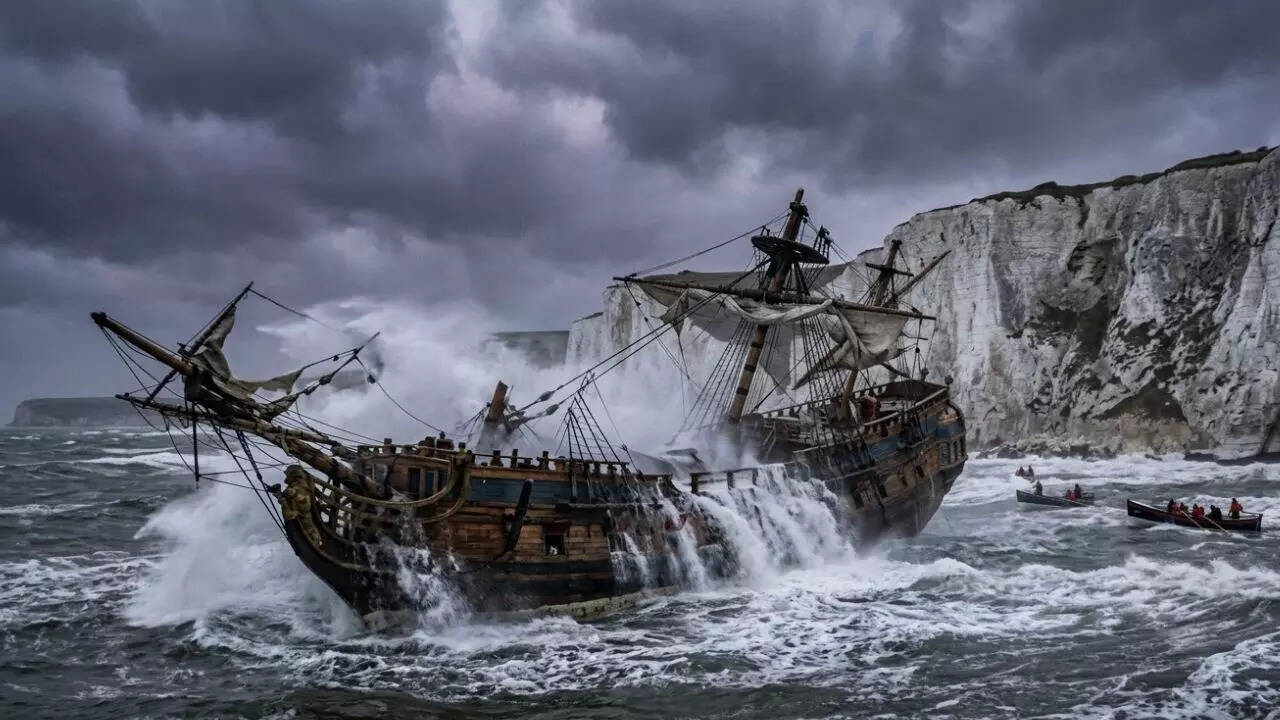
The HMS Victory was the predecessor to the famous ship used by Lord Nelson. In October 1744, the ship was returning to England from a mission near Portugal. It was caught in a violent storm in the English Channel. The ship disappeared with all hands on board, and for centuries, no one knew exactly where it rested. Recent exploration using advanced underwater robots and sonar technology allowed teams to find the wreck site. Among the debris, they found "silver bones," which are actually stacks of silver coins that have fused together over time due to the salt water and pressure. These clusters look like skeletal remains, which is how they got their unusual name.
Important Numbers and Facts
The scale of this shipwreck is massive. When the ship sank, it was carrying 1,100 sailors, all of whom lost their lives. Historical records suggest the ship was also transporting a huge amount of wealth. Experts believe there could be up to four tons of gold coins still buried in the sand at the bottom of the sea. The ship itself was equipped with 110 brass cannons, which were the most powerful weapons of the day. So far, divers have recovered several of these cannons, along with thousands of silver and gold pieces. The wreck sits about 250 feet below the surface, making it difficult for regular divers to reach without special equipment.
Background and Context
In the 18th century, the British Navy was the strongest in the world. The HMS Victory was the pride of the fleet. It was a "first-rate" ship, meaning it was the largest and most heavily armed type of vessel available. Its loss was a national tragedy for England at the time. For many years, people believed the ship had crashed into a group of rocks known as the Casquets because of a mistake by the captain. However, the discovery of the wreck in a different location proves that the ship was actually lost due to the sheer force of the storm, not a steering error. This clears the reputation of the crew and the captain after 280 years.
Public or Industry Reaction
The news of the "silver bones" has caused a lot of excitement among archaeologists and treasure hunters. Historians are pleased because the artifacts provide a clear picture of life at sea in the 1740s. They can study the tools, clothes, and personal items found near the treasure to learn about the daily routines of the sailors. On the other hand, there is a debate about what should happen to the gold and silver. Some people believe the treasure should be kept in a museum for everyone to see. Others, including the companies that funded the search, want to sell some of the items to cover the high costs of the underwater recovery mission. The British government is also involved to ensure the site is treated as a war grave.
What This Means Going Forward
The recovery process is far from over. Because the ship is in deep water, it will take years to carefully remove all the artifacts without damaging them. Technology will play a big part in this. Scientists plan to use even more advanced robots to map the entire area in 3D. This will allow people to visit the wreck virtually through computers. There is also the legal side of things. International laws about shipwrecks are complicated, and there will likely be meetings to decide who gets to keep the "silver bones" and the gold. Most importantly, the site will be protected to make sure that the memory of the 1,100 sailors is respected.
Final Take
Finding a ship like the HMS Victory is a rare event that reminds us of the power of the ocean. While the gold and silver are worth millions of dollars, the real value lies in the history we can now recover. These "silver bones" tell a story of a lost era, a tragic storm, and a mystery that finally has an answer. As more items are brought to the surface, we will continue to learn more about the brave people who sailed the seas centuries ago.
Frequently Asked Questions
What are "silver bones"?
"Silver bones" is a term used to describe stacks of silver coins that have become stuck together over hundreds of years under the sea. They often take on strange, bone-like shapes due to the way minerals and salt build up around them.
Is this the same ship used by Lord Nelson?
No. This is an older ship also named HMS Victory. It sank in 1744. Lord Nelson’s famous HMS Victory was built later and is currently kept as a museum ship in Portsmouth, England.
Can anyone go and see the shipwreck?
No, the wreck is located in deep water in the English Channel and is protected by law. Only authorized researchers and recovery teams with special permits are allowed to visit the site to ensure it is not looted or damaged.

