
Summary
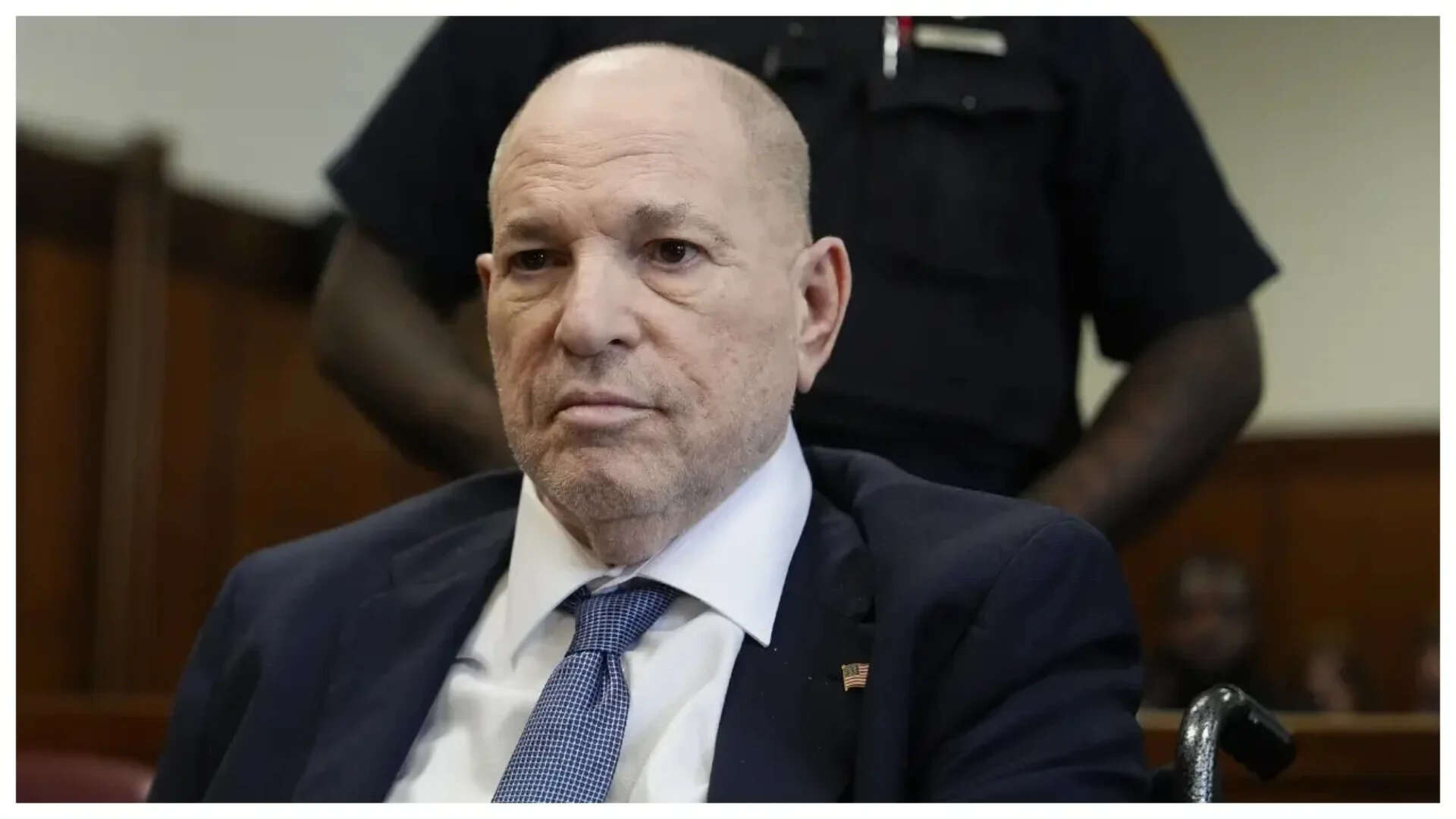
Jury selection has officially started in the New York retrial of Harvey Weinstein. The former Hollywood producer is facing charges related to a sexual assault reported to have happened in 2013. This new trial comes after a high court canceled his previous conviction, claiming the original legal process was unfair. This case is a major moment for the justice system as it revisits allegations that helped start a global movement for accountability.
Main Impact
The start of this retrial marks a critical turning point in one of the most famous legal battles in recent history. By bringing the case back to court, prosecutors are trying to prove that they can secure a conviction while following strict legal rules. The outcome will likely influence how future sexual assault cases involving powerful figures are handled. It also tests the strength of the testimony from the main accuser without the support of extra witnesses who were allowed in the first trial.
Key Details
What Happened
The legal process began with the difficult task of picking a jury. Lawyers from both sides must find people who can remain neutral despite the massive amount of news coverage this case has received over the years. The trial centers on allegations made by Jessica Mann, who says Weinstein raped her in a Manhattan hotel room more than ten years ago. Weinstein has consistently said that he did nothing wrong and that any encounters were consensual.
During this trial, the jury will hear specific evidence about the 2013 incident. Prosecutors have also hinted that they might use a controversial comment allegedly made by Weinstein to show his state of mind at the time. The defense team is expected to argue that the relationship was complicated but not criminal. The judge will have to make tough calls on what evidence can be shown to the jury to avoid the mistakes made in the previous trial.
Important Numbers and Facts
The retrial is expected to last about six weeks. This timeline includes the time needed to hear from witnesses, look at physical evidence, and allow the jury to reach a decision. Weinstein was originally found guilty in 2020 and sentenced to 23 years in prison in New York. However, in early 2024, the New York Court of Appeals threw out that conviction in a 4-3 vote. They ruled that the judge in the first trial allowed too many witnesses to testify about things Weinstein was not actually charged with.
Even though his New York conviction was overturned, Weinstein has remained behind bars. This is because he was also convicted of similar crimes in Los Angeles in 2022, where he received a 16-year sentence. He is currently 74 years old and has faced various health issues while in custody, which his lawyers often mention during court hearings.
Background and Context
To understand why this trial is so important, it is helpful to look back at how it started. In 2017, several news reports published stories from women who accused Weinstein of using his power in the movie industry to hurt them. These stories led to the #MeToo movement, where millions of people shared their own experiences with harassment and assault. Weinstein became the face of this movement, and his first trial in 2020 was seen as a huge victory for survivors.
However, the legal system has very specific rules about how a trial must be run. The highest court in New York decided that the first trial went too far by letting "Molineux witnesses" testify. These are people who talk about a defendant's past bad behavior to show a pattern, even if that behavior is not part of the current charges. The court said this made the jury biased against Weinstein. This retrial is an attempt to do things the "right way" according to the law.
Public or Industry Reaction
The reaction to the retrial has been mixed. Many supporters of the #MeToo movement feel that forcing victims to testify again is a form of secondary trauma. They believe the original conviction should have stood. On the other hand, legal experts say that protecting the rights of the defendant is necessary for a fair justice system, no matter how unpopular the person might be. Within the film industry, the case serves as a reminder of a time when power was often used to silence others.
What This Means Going Forward
The next few weeks will be filled with intense testimony. If Weinstein is convicted again, it will show that the core evidence against him is strong enough to stand on its own. If he is found not guilty, it will be a major blow to the prosecutors who have spent years on this case. Regardless of the New York outcome, Weinstein still has to deal with his legal troubles in California. This trial is not just about one man; it is about how the law balances the rights of the accused with the need for justice for victims.
Final Take
This retrial is a second chance for the legal system to get things right. It highlights the tension between public desire for accountability and the strict requirements of courtroom fairness. As the jury selection continues, the world is watching to see if the same evidence will lead to the same result a second time around.
Frequently Asked Questions
Why is Harvey Weinstein having a second trial in New York?
His first conviction was overturned because an appeals court ruled that the judge allowed unfair testimony from witnesses whose claims were not part of the actual charges. This retrial is meant to provide a fair legal process.
Is Harvey Weinstein currently out of prison?
No. Even though his New York conviction was overturned, he remains in custody because he was also convicted of sexual assault in a separate trial in Los Angeles.
How long will the new trial take?
The trial is expected to last approximately six weeks. This includes the time for jury selection, witness testimony, and the final jury decision.



