Summary
A professional working in the United States on an H-1B visa recently shared a frustrating experience regarding the visa renewal process. After waking up at 3:30 AM to check for available interview slots, the worker was shocked to find that the earliest possible appointment was in August 2027. This long wait time highlights the severe backlog and administrative challenges facing foreign professionals who contribute to the American economy.
Main Impact
The primary impact of these extreme wait times is the restricted movement of legal workers. Many H-1B holders are now effectively stuck within U.S. borders. If they leave the country to visit family or attend to emergencies, they cannot return without a valid visa stamp in their passport. With appointments scheduled more than a year into the future, many professionals are forced to cancel important life events and family visits to avoid losing their jobs or being separated from their homes in the U.S.
Key Details
What Happened
The story gained attention after a professional shared their struggle to secure a visa interview at a U.S. consulate. To beat the rush and find newly released slots, the individual set an alarm for 3:30 AM. Despite this effort, the system showed no availability for the remainder of 2026. The first open date appeared in late 2027, leaving the worker stunned by the lack of efficiency in the current immigration system.
Important Numbers and Facts
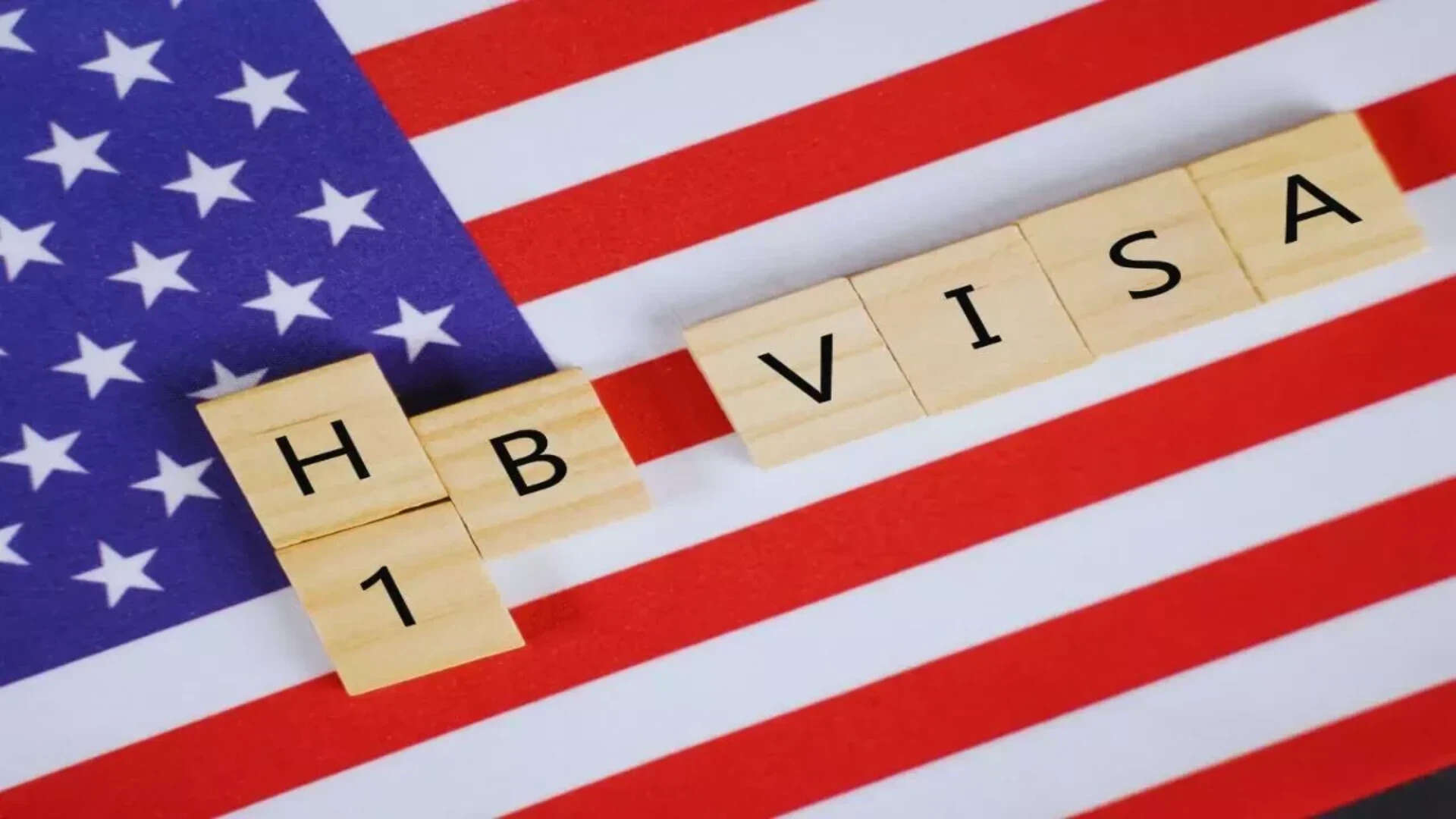
The H-1B visa is a non-immigrant visa that allows U.S. companies to employ foreign workers in specialty occupations that require technical or theoretical expertise. Currently, there are hundreds of thousands of H-1B holders in the U.S., with a large majority coming from India. While the U.S. government has tried to speed up the process by introducing domestic visa renewals for some, the program is limited. For most workers, a trip to a consulate in their home country remains a requirement, leading to the massive backlog seen in this case.
Background and Context
To understand why this matters, it is important to know the difference between visa status and a visa stamp. A person can legally live and work in the U.S. if their paperwork is approved. However, the "stamp" is a physical entry permit placed in the passport. If a worker’s old stamp expires, they must visit a U.S. embassy or consulate abroad to get a new one before they can fly back into the country. During the pandemic, many consulates closed or reduced staff, creating a mountain of unfinished work that the system is still struggling to clear today.
Public or Industry Reaction
The reaction from the professional community has been one of shared frustration. On social media platforms like LinkedIn and X, other visa holders have shared similar stories of waking up at odd hours just to see a calendar full of "no slots available" messages. Business leaders have also expressed concern, noting that these delays make it harder to keep top talent. When employees are stressed about their legal status or unable to travel for work, it hurts the productivity and morale of the entire company.
What This Means Going Forward
Looking ahead, there is growing pressure on the U.S. State Department to modernize the visa process. Potential solutions include expanding the domestic renewal program to all H-1B holders and increasing the number of staff at busy consulates in India and China. If these wait times do not improve, some experts worry that highly skilled workers may choose to move to countries with more predictable immigration systems, such as Canada or Germany. For now, workers must continue to monitor the booking website daily, often in the middle of the night, hoping for a cancellation.
Final Take
The current state of visa scheduling is a major hurdle for the very people the U.S. seeks to attract for their skills and innovation. Forcing a legal professional to wait until 2027 for a routine administrative task shows a system that is struggling to keep up with modern needs. Without significant changes, the "visa waitlist" will continue to be a source of anxiety for thousands of families and a bottleneck for American businesses.
Frequently Asked Questions
Why are H-1B visa appointments taking so long?
The delays are caused by a huge backlog of applications that built up during the pandemic, combined with high demand and limited staffing at U.S. consulates in certain countries.
Can an H-1B holder work in the U.S. without a new stamp?
Yes, as long as their underlying petition is approved, they can stay and work in the U.S. However, they cannot leave and re-enter the country without a valid stamp in their passport.
What is the domestic visa renewal program?
It is a pilot program that allows some H-1B holders to renew their visas without leaving the U.S. However, it currently has strict rules and is not yet available to everyone.