
Summary
Food safety officials in Gujarat have launched a major crackdown on hotels and restaurants across the state. The move comes after authorities discovered many establishments were using "fake" paneer without informing their customers. During recent inspections, officials destroyed over 600 kilograms of unsafe food and issued heavy fines to businesses that broke the rules. This effort is part of a larger plan to make sure that people know exactly what they are eating when they dine out.
Main Impact
The primary impact of this drive is a new level of transparency for diners in Gujarat. For a long time, many eateries have used "analogue paneer," which is a cheaper substitute made from vegetable fat and starch rather than milk. While this substitute is not necessarily illegal to use, it is illegal to sell it as real paneer. The government is now forcing every food business to be honest about their ingredients. This protects consumers from being misled and ensures they get the nutritional value they expect from dairy products.
Key Details
What Happened
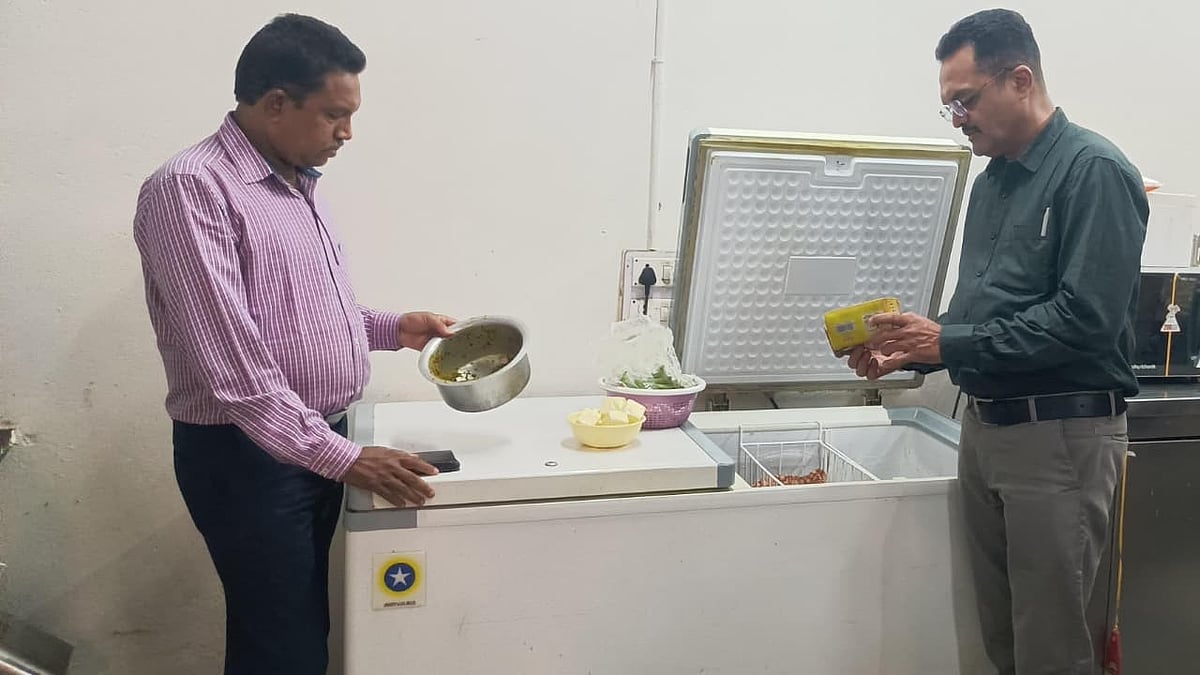
On a recent Saturday, the Food and Drugs Control Administration (FDCA) sent teams to inspect 347 different food spots. These included high-end hotels, local restaurants, roadside dhabas, and street food stalls. During these visits, they found 17 businesses that were not following food safety laws. These businesses were fined a total of Rs 1.40 lakh. Additionally, the teams seized and destroyed 615 kg of food that was either substandard or incorrectly labeled. The focus was specifically on whether these places were using real milk paneer or the cheaper analogue version.
Important Numbers and Facts
The enforcement drive has produced several key figures that show the scale of the problem. In Ahmedabad, several eateries faced fines for failing to comply with the new labeling rules. In Surat, municipal authorities collected Rs 52,300 in penalties, while in Rajkot, the fines totaled Rs 3,600. This is not just a one-day event; between January and March of 2026, the Ahmedabad Municipal Corporation checked over 2,000 food samples. They found that 74 of those samples did not meet the required quality standards. During that same three-month period, officials inspected more than 4,200 establishments and recovered over Rs 22 lakh in administrative charges.
Background and Context
Paneer is a very popular food item in India, used in many traditional dishes. Because it is in high demand, some manufacturers create "analogue paneer" to save money. This substitute looks and feels like real paneer, but it is made by mixing vegetable oils, milk powder, and starches. Under the Food Safety and Standards Act of 2006, businesses must tell the truth about what is in their food. The FDCA recently issued a strict order on April 4, stating that any product made with substitutes cannot be called "paneer." It must be clearly labeled as "paneer analogue" or simply "analogue" on menus and packaging so that customers are not confused.
Public or Industry Reaction
The food industry has been put on high alert following these actions. The FDCA has already sent emails to more than 15,000 food business operators across the state. These emails serve as a formal warning to update their menus and disclosure practices immediately. While some business owners have expressed concern about the cost of real dairy, the general public has welcomed the move. Many consumers feel that they have been paying high prices for real paneer while being served a cheaper, processed alternative. The government has made it clear that any business caught lying to customers will face strict legal consequences.
What This Means Going Forward
Moving forward, diners in Gujarat can expect to see more detailed descriptions on restaurant menus. If a dish contains a milk substitute, the restaurant must say so clearly. The FDCA plans to continue these surprise inspections to ensure that the rules are being followed. For business owners, this means they must keep better records of where they buy their ingredients. For the public, it means a safer and more honest food market. Officials have stated that they will not stop until every food establishment in the state meets the required safety and honesty standards.
Final Take
This crackdown serves as a reminder that food safety is about more than just cleanliness; it is about honesty. By forcing businesses to label their ingredients correctly, the Gujarat government is standing up for the rights of the consumer. People deserve to know what they are putting into their bodies, especially when it comes to staple foods like paneer. This transparency will likely lead to better quality food across the entire state.
Frequently Asked Questions
What is the difference between real paneer and analogue paneer?
Real paneer is made entirely from milk. Analogue paneer is a substitute made using vegetable fats, starches, and other non-dairy ingredients to mimic the look and texture of the real thing.
Why are restaurants being fined for using it?
Restaurants are not necessarily being fined for using the substitute, but for failing to tell customers about it. Selling a substitute under the name "paneer" is considered misleading and a violation of food safety laws.
How can I tell if a restaurant is using real paneer?
Under the new rules in Gujarat, restaurants must clearly state on their menus or at their counters whether they use milk paneer or an analogue version. You can also ask the staff for clarification before ordering.

