Summary
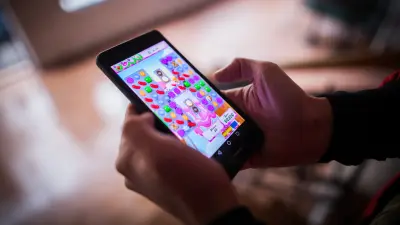
Greece has announced a new plan to ban social media for children under the age of 15. This law is expected to go into effect next year as part of a larger effort to protect young people from the dangers of the internet. By setting this age limit, Greece joins a growing list of European countries that are worried about how apps affect the mental health of teenagers. The government believes that keeping younger children off these platforms will help reduce bullying and screen addiction.
Main Impact
The biggest impact of this decision will be felt by families and technology companies. For parents, the law provides a clear rule to help them manage their children's time online. Many parents find it difficult to stop their kids from using apps when all their friends are on them. Now, the law will back them up. For tech companies like TikTok, Instagram, and Snapchat, this means they must build better tools to check how old their users are. If they fail to keep under-15s off their sites, they could face very expensive fines from the Greek government.
This move also changes the digital culture in Greece. It sends a message that social media is not a place for young children. It encourages kids to spend more time on schoolwork, hobbies, and face-to-face social activities. While it may be hard to change habits at first, the long-term goal is to create a safer environment for the next generation.
Key Details
What Happened
The Greek government recently shared its plan to pass a law that forbids children under 15 from creating or owning social media accounts. This decision comes after many months of talks between health experts, teachers, and government leaders. They looked at data showing that young teens are often the most vulnerable to online pressure. The law will require platforms to verify the age of every user in Greece more strictly than they do now.
Important Numbers and Facts
The ban is scheduled to start in 2026. It specifically targets children who are 14 years old and younger. Greece is following the lead of France and Spain, which have already started working on similar age limits. In some parts of Europe, the age limit is 13, but Greece has decided that 15 is a safer cut-off point. Officials believe this extra two years will give children more time to mature before they deal with the complex world of social media.
Background and Context
Why is this happening now? For years, doctors have been worried about "screen addiction." This is when a person cannot stop looking at their phone or tablet. For children, this is even more dangerous because their brains are still growing. Constant notifications and the need for "likes" can cause a lot of stress. Many studies show that high social media use is linked to higher rates of sadness and anxiety in teenagers.
Another big reason is cyberbullying. When kids are on social media, they can be targeted by bullies at any time of the day or night. It is much harder for teachers and parents to see this happening when it is hidden behind a screen. By removing younger children from these platforms, the government hopes to cut down on these negative experiences. They want to make sure that childhood remains a time for learning and playing without the pressure of being "perfect" online.
Public or Industry Reaction
The reaction to this news has been mixed. Many parents and teachers are very happy. They feel that social media has become a distraction in the classroom and a source of trouble at home. They believe a legal ban is the only way to truly solve the problem. They argue that if the law says no, it is much easier for everyone to follow the same rules.
On the other hand, some people are worried about how the law will work. Tech experts point out that kids are very good at finding ways around rules. They might use fake birthdays or special software to hide their location. There are also concerns about privacy. To check a person's age, a company might need to see an ID card or use face-scanning technology. Some people think this gives tech companies too much personal information. Young people themselves have also complained, saying they use social media to stay in touch with friends and learn new things.
What This Means Going Forward
As we move toward 2026, the Greek government will need to figure out the technical side of this ban. They will have to work closely with tech giants to make sure the age checks actually work. This might involve new apps or digital ID systems. If Greece is successful, it is very likely that more countries in Europe and around the world will do the same thing. We are seeing a global trend where governments are taking more control over the internet to protect citizens.
There will also be a focus on education. Even with a ban, kids need to learn how to use the internet safely. Schools in Greece will likely add more lessons about digital safety and mental health. The goal is not just to block apps, but to teach children how to have a healthy relationship with technology when they finally turn 15.
Final Take
Greece is taking a bold stand by banning social media for those under 15. It is a clear sign that the health and safety of children are being put before the interests of big tech companies. While making the law work will be a challenge, the effort shows a deep commitment to solving the problems of the digital age. It marks a major shift in how society views the internet and its role in the lives of young people.
Frequently Asked Questions
When will the social media ban in Greece start?
The Greek government plans to start enforcing the new age limit in 2026. This gives families and tech companies time to prepare for the change.
Which apps will be affected by this new law?
The law will apply to all major social media platforms. This includes popular apps like TikTok, Instagram, Facebook, and Snapchat.
How will the government know if someone is under 15?
The government is working on rules that will require social media companies to use better age verification tools. This might include checking official IDs or using new technology to confirm a user's age.