
Summary
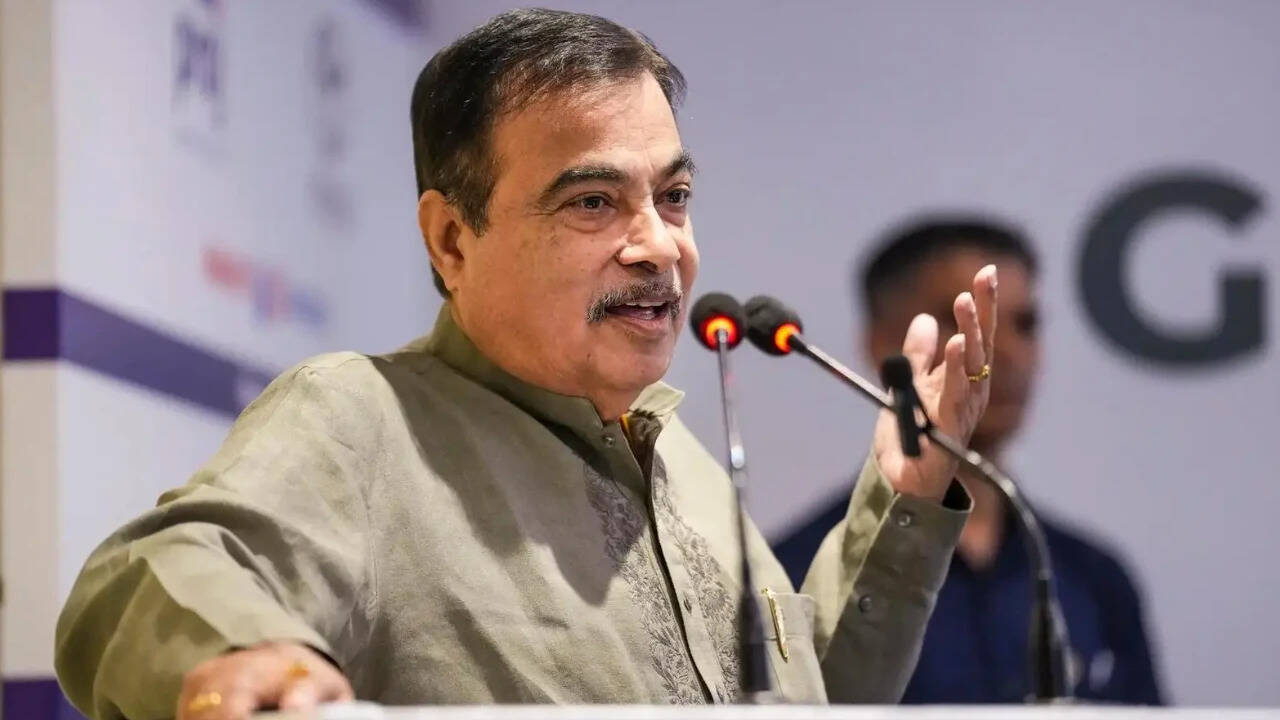
Union Minister Nitin Gadkari has sent a clear message to the Indian auto industry regarding environmental standards. He criticized car manufacturers for trying to delay the upcoming CAFE-3 fuel efficiency rules through constant lobbying. Gadkari emphasized that the industry must prioritize public health and the environment over short-term business interests. This firm stance shows the government's commitment to reducing air pollution and cutting down on expensive oil imports.
Main Impact
The primary impact of Gadkari’s statement is a direct rejection of any requests to push back the deadlines for stricter emission targets. Car companies have been asking for more time to meet the CAFE-3 standards, claiming the transition is too fast. By speaking out publicly, the Minister is forcing these companies to speed up their shift toward greener technology. This will likely result in a faster rollout of electric vehicles, hybrids, and cars that run on alternative fuels across the country.
Key Details
What Happened
During a recent industry gathering, Nitin Gadkari shared that car company executives frequently visit his office to ask for extensions on fuel efficiency deadlines. He noted that instead of focusing on how to meet these goals, many companies are spending their energy trying to change the rules. Gadkari told the industry that the technology to reduce emissions already exists and that companies should focus on using it rather than asking for more time.
Important Numbers and Facts
The CAFE rules, which stand for Corporate Average Fuel Efficiency, are designed to lower the total amount of carbon dioxide produced by vehicles. These rules do not look at just one car but at the average of all cars a company sells in a year. Phase 1 of these rules began in 2017, and Phase 2 started in 2022. The upcoming CAFE-3 phase will set even tougher limits. India currently spends a massive amount of money—billions of dollars—on importing crude oil, and the government wants to reduce this cost by making vehicles more efficient.
Background and Context
India is one of the biggest markets for cars in the world, but it also struggles with some of the worst air pollution. To fix this, the government introduced CAFE norms to make sure carmakers produce cleaner vehicles. If a company sells many large, fuel-heavy vehicles like SUVs, they must also sell enough small, efficient cars or electric vehicles to keep their overall average within the legal limit. This system is meant to push the entire industry toward a cleaner future without banning specific types of cars immediately.
Public or Industry Reaction
The reaction to Gadkari's comments has been mixed. Many car manufacturers are worried about the high costs of upgrading their factories and technology to meet CAFE-3 standards. They argue that these costs might lead to higher car prices for customers. Some industry leaders also point out that the infrastructure for electric cars, such as charging stations, is not yet ready in many parts of India. However, environmental experts and health advocates have welcomed the Minister's comments. They believe that the long-term benefits of cleaner air and lower fuel costs far outweigh the initial challenges faced by car companies.
What This Means Going Forward
In the coming years, car buyers in India can expect to see a wider variety of fuel-efficient vehicles. Companies will likely invest more in flex-fuel engines, which can run on a mix of petrol and ethanol, as well as hydrogen and electric power. The government has made it clear that it will not relax the rules, so companies that do not adapt quickly may face heavy fines. This pressure is expected to drive innovation and could eventually make green technology more affordable as it becomes the standard for the industry.
Final Take
The government's refusal to delay the CAFE-3 norms is a bold step toward a cleaner India. Nitin Gadkari’s message serves as a wake-up call for carmakers who have relied on older, more polluting technology for too long. While the shift to stricter standards will be a challenge for the auto sector, it is a necessary move to protect the health of citizens and ensure the country's energy security in the future.
Frequently Asked Questions
What are CAFE-3 norms?
CAFE-3 norms are the third phase of fuel efficiency rules in India. They require car companies to ensure that the average carbon dioxide emissions from all the cars they sell stay below a specific, strict limit.
Why is the government refusing to delay these rules?
The government wants to reduce air pollution and decrease the country's dependence on expensive imported oil. They believe that car companies have enough technology and resources to meet these targets without further delays.
Will cars become more expensive because of these rules?
In the short term, car prices might go up because companies have to spend money on new technology. However, in the long term, these cars will be cheaper to run because they use less fuel or run on cheaper alternative energy sources.



