Summary
The G7 group of nations has announced a plan to release a record amount of oil from their emergency reserves. This move is a direct response to the rapid increase in fuel prices caused by the conflict between the United States, Israel, and Iran. By putting more oil into the global market, world leaders hope to lower costs for drivers and businesses. This decision marks one of the most significant efforts to control energy markets in modern history.
Main Impact
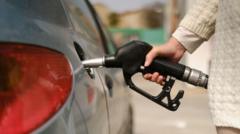
The primary goal of this massive oil release is to stop the rising cost of living. When oil prices jump, it does not just affect the price of gas at the pump. It also makes it more expensive to ship food, manufacture goods, and heat homes. By increasing the supply of oil, the G7 nations want to reduce the financial pressure on families and prevent a global economic slowdown. This action is intended to send a clear message to the markets that there is enough fuel to meet global needs despite the ongoing war.
Key Details
What Happened
The conflict in the Middle East has created a lot of uncertainty in the energy world. Because the region is a major source of the world's oil, any sign of war makes traders nervous. This nervousness leads to "panic buying," which pushes prices higher. To counter this, the G7 countries—which include the United States, the United Kingdom, Canada, France, Germany, Italy, and Japan—met to discuss a solution. They agreed that the best way to calm the markets was to use their Strategic Petroleum Reserves. These are massive stockpiles of oil kept underground for use during national emergencies.
Important Numbers and Facts
While the exact number of barrels is still being finalized, officials say this will be the largest coordinated release ever recorded. In the past, similar moves involved tens of millions of barrels, but this plan is expected to go much further. The United States holds the largest portion of these reserves in deep salt caverns located along the Gulf Coast. Other G7 members will also contribute based on their own storage levels. The release is expected to begin within the next few weeks to provide immediate relief to the global economy.
Background and Context
Oil is the lifeblood of the modern economy. Most of the world's oil comes from the Middle East, and any disruption in that area can cause global shockwaves. The current tension between the US, Israel, and Iran has put key shipping routes at risk. If these routes are blocked or if oil fields are damaged, the world could face a severe shortage. The G7 nations use their reserves as a safety net. These reserves were created decades ago to ensure that countries would not run out of fuel if their supply from overseas was suddenly cut off. Using them now shows how serious the current situation has become.
Public or Industry Reaction
Many economists have welcomed the news, noting that high energy prices are the biggest driver of inflation right now. If gas prices stay high, people spend less money on other things, which hurts the economy. However, some energy experts have expressed concern. They argue that emergency reserves should only be used for physical shortages, not just to lower prices. There is also a worry that if the war lasts a long time, these reserves will run low, leaving countries vulnerable if things get even worse. On the other hand, shipping companies and airlines are relieved, as fuel is their biggest expense.
What This Means Going Forward
In the short term, drivers should see a slow decrease in prices at the gas station. However, the long-term outlook depends entirely on the war. If the conflict between the US, Israel, and Iran ends quickly, oil prices will likely return to normal. If the fighting continues or spreads to other countries, even a record release of oil might not be enough to keep prices down. The G7 will likely monitor the situation closely and may decide to release even more oil if the market does not stabilize. For now, the focus is on preventing a total energy crisis that could lead to a global recession.
Final Take
The decision to release record amounts of oil shows that world leaders are deeply worried about the economic impact of the war. While this move provides a temporary fix, it highlights how dependent the world remains on oil from unstable regions. This event will likely lead to more discussions about energy security and the need for alternative power sources that do not rely on global conflict zones.
Frequently Asked Questions
What is the G7?
The G7 is a group of seven of the world's most advanced economies. It includes the United States, Canada, France, Germany, Italy, Japan, and the United Kingdom. These countries meet regularly to discuss global issues like the economy and security.
Will this make gas prices go down right away?
It usually takes a few days or weeks for changes in the oil market to reach the local gas station. While the news can stop prices from rising further, it may take some time before drivers see a significant drop in what they pay at the pump.
What happens if the emergency oil runs out?
Countries try very hard not to let their reserves run out completely. They only release a small percentage of their total supply at a time. If the reserves get too low, the government will eventually have to buy more oil to refill them, usually when prices are lower.