Summary
After nearly sixty years of marriage, a woman named Pam decided to use modern technology to say a unique goodbye to her husband, Bill. Instead of a traditional service with only speeches and photos, she brought Bill back as a life-sized hologram for his funeral. This allowed the deceased man to "speak" to his friends and family one last time, sharing stories and answering questions. This event highlights a growing trend where grieving families use artificial intelligence and video technology to keep the memory of their loved ones alive in a more interactive way.
Main Impact
The use of a hologram at a funeral marks a major change in how society deals with death and memory. For decades, funerals have followed a set pattern of prayers, music, and eulogies. By introducing a digital version of the person who passed away, the experience changes from a passive event into an active conversation. This technology helps bridge the gap between the living and the dead, offering a sense of closure that many find more comforting than traditional methods. It also shows how quickly high-end technology is moving into the personal and emotional parts of our lives.
Key Details
What Happened
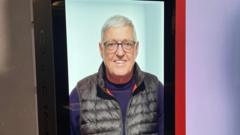
Pam and Bill had been married for almost six decades, building a long life full of shared experiences. When Bill passed away, Pam wanted a way to honor his personality and his voice. She worked with a technology company that specializes in creating digital clones or "story files." Before he died, Bill spent hours recording answers to various questions about his life, his beliefs, and his favorite memories. During the funeral service, this data was used to project a 3D image of Bill that could interact with the guests. The hologram appeared to sit in a chair and talk directly to the people in the room, making it feel as though he was still present.
Important Numbers and Facts
The couple shared 59 years of marriage before Bill's passing. The technology used to create the hologram relies on thousands of video clips and advanced software that matches speech patterns to facial movements. While this type of service was once only available to celebrities or the very wealthy, it is becoming more accessible to the general public. The process often requires the person to record their stories while they are still healthy, ensuring the digital version is as accurate as possible. In this case, the hologram was able to answer dozens of specific questions from the funeral attendees in real-time.
Background and Context
This topic matters because the funeral industry is currently going through a digital transformation. For a long time, people have kept photos and home videos to remember those they have lost. However, as artificial intelligence becomes more common, people are looking for deeper ways to preserve a person's "essence." The idea of a "digital twin" is no longer science fiction. Companies are now offering services that allow people to record their life stories so that future generations can "meet" them. This is especially important for families who want to pass down history and personal wisdom in a way that feels more real than reading a book or watching an old movie.
Public or Industry Reaction
The reaction to funeral holograms is often split. Many people who attend these services find them deeply moving and helpful for the grieving process. They feel that hearing the person's voice and seeing their movements one last time provides a special kind of peace. On the other hand, some critics feel that this technology is a bit strange or even "creepy." There are concerns that it might prevent people from fully accepting that a loved one is gone. Despite these mixed feelings, the funeral industry is seeing a rise in interest for these high-tech memorials. Many experts believe that as the technology becomes more lifelike, it will become a standard option for many families.
What This Means Going Forward
Looking ahead, we can expect to see more families choosing digital memorials over traditional ones. As the software improves, these holograms will become even more realistic and easier to create. There is also the possibility that these digital versions could live on the internet or in home devices, allowing family members to talk to their ancestors whenever they want. However, this also brings up important questions about privacy and data. Families will need to decide who owns the digital version of a person and how long it should stay active. The legal and ethical rules for "digital afterlives" are still being written as more people like Pam choose this path.
Final Take
Using a hologram to honor a husband of 60 years shows that love and technology can work together to create a lasting legacy. While a digital image can never replace a human being, it can serve as a powerful tool for storytelling and comfort. As we move further into the digital age, the way we remember our history and our loved ones is changing forever, making the final goodbye a little less silent.
Frequently Asked Questions
How does a funeral hologram work?
A person records hours of video and audio while they are still alive. After they pass away, AI software uses those recordings to answer questions and interact with people in real-time during a service.
Is this technology available to everyone?
While it started as an expensive service for famous people, several companies now offer these digital memorial packages to the general public, though it still requires planning before the person passes away.
Can the hologram say things the person never said?
Most current versions only use the actual words and answers recorded by the person. This ensures the hologram stays true to the person's real personality and beliefs without making things up.