Summary
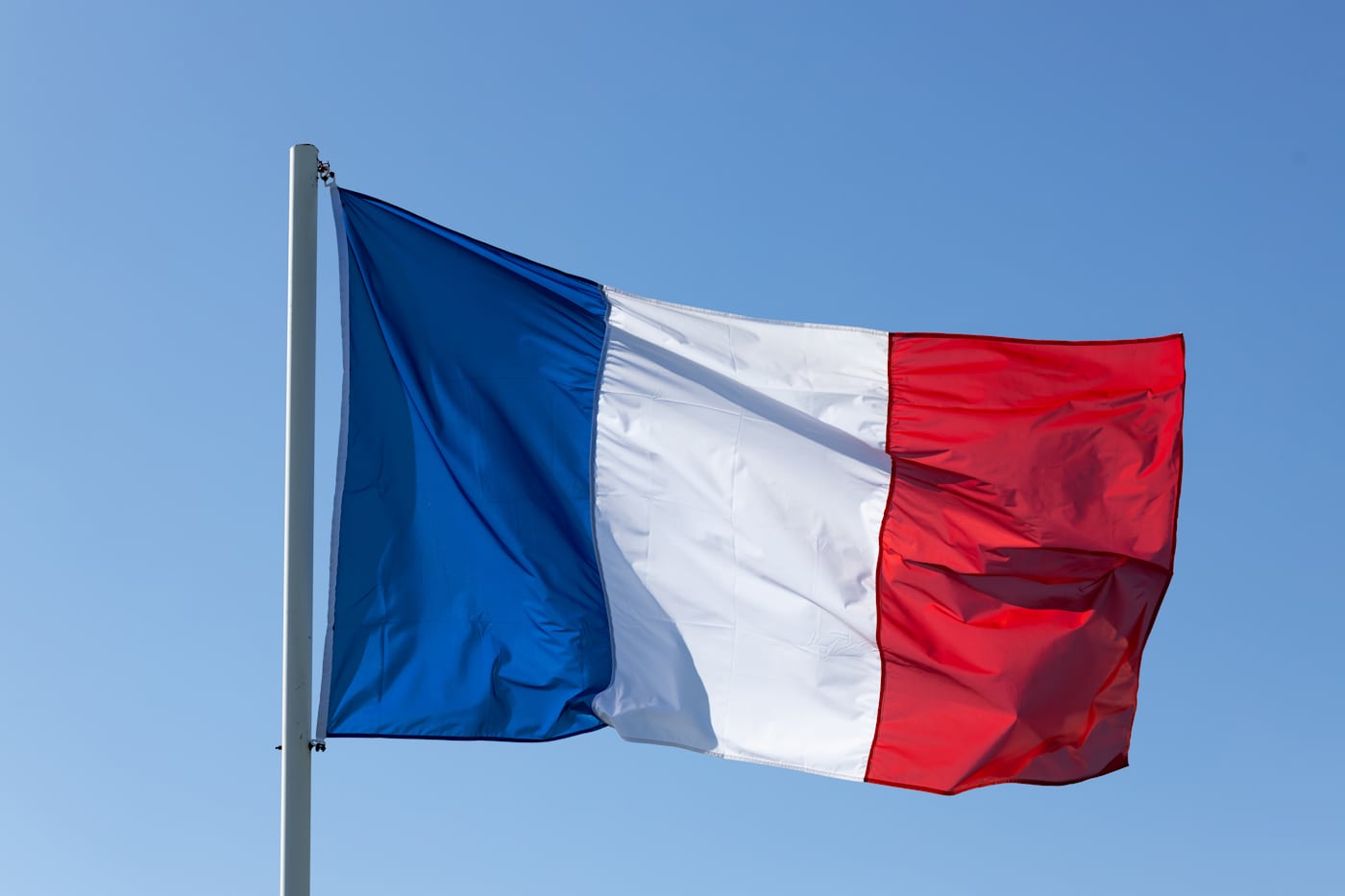
France’s national agency for identity documents, known as France Titres, recently confirmed a significant security breach. The agency discovered the unauthorized access on April 15, and shortly after, a hacker claimed to have stolen millions of personal records. This incident is serious because the agency handles sensitive documents like passports and driver’s licenses for the entire country. While the government says its main systems are still safe, the stolen information puts many citizens at risk of online scams.
Main Impact
The primary concern following this breach is the massive amount of personal data that may now be in the hands of criminals. A hacker has claimed to be selling a database containing 19 million records taken from the agency. If this claim is true, a large portion of the French population could be affected. The stolen data includes contact details and identification markers that make it much easier for scammers to create convincing fake messages. This breach does not just affect the government’s digital safety; it directly threatens the privacy and financial security of millions of individuals who rely on these official services.
Key Details
What Happened
On April 15, security teams at France Titres noticed unusual activity on their network. They quickly identified it as a data breach. Only one day later, an anonymous hacker posted on a popular crime forum claiming responsibility for the attack. The hacker stated they were looking for a buyer for the stolen information. Security researchers who track these types of events noted that while the hacker is trying to sell the data, it has not been leaked for free to the public yet. This suggests the hacker is looking to make a profit from the theft rather than just causing chaos.
Important Numbers and Facts
The scale of the incident is defined by the following details:
- 19 Million: The number of records the hacker claims to have stolen.
- April 15: The date the agency first detected the security problem.
- Types of Data: The stolen files include full names, email addresses, and dates of birth. They also contain mailing addresses, phone numbers, and specific account identifiers used by the agency.
- System Status: France Titres clarified that the hackers did not gain the ability to log into user accounts or change official records within their main portals.
Background and Context
France Titres, which was formerly known as the Agence nationale des titres sécurisés (ANTS), is a vital part of the French government. It is the central office responsible for issuing almost every important identity document a person needs. This includes national ID cards, passports, driver’s licenses, and even residency permits for immigrants. Because this agency holds so much personal information, it is a high-value target for cybercriminals. In the modern world, data is often called "digital gold" because it can be sold or used to commit fraud. When a government agency like this is hit, it causes a lot of worry because citizens have no choice but to give their data to these departments to get their legal documents.
Public or Industry Reaction
The French government acted quickly to inform the public about the risk. They issued a warning telling people to be extra careful with any emails or text messages they receive. Security experts from groups like Bleeping Computer have been monitoring the situation closely to see if the data appears on the "dark web," which is a hidden part of the internet where illegal goods are sold. So far, the reaction from the public has been one of concern, as this is not the first time a large government database has been targeted. Many people are asking for better security measures to protect their private information from future attacks.
What This Means Going Forward
The biggest long-term risk for people involved in this breach is phishing. Phishing is when a criminal sends a fake email that looks like it comes from a real company or the government. Because the hackers have real names, addresses, and phone numbers, these fake emails will look very believable. For example, a scammer might send an email that looks like a passport renewal notice to trick someone into giving away their credit card details. Moving forward, the French government will likely need to update its security protocols and perhaps offer identity monitoring services to those affected. Citizens are advised to never click on links in unexpected emails and to always check the official website directly if they receive a message about their ID or passport.
Final Take
This breach serves as a strong reminder that no organization is completely safe from hackers, even those run by the government. While the agency managed to keep its main portals secure, the loss of contact information for millions of people is a major blow. Staying safe online now requires everyone to be more skeptical of digital communications. Protecting personal data is a shared responsibility between the agencies that hold it and the individuals who must stay alert for signs of fraud.
Frequently Asked Questions
Was my passport or ID card cancelled because of this breach?
No, your physical documents are still valid. The breach involved personal information like names and addresses, but it did not give hackers the power to cancel or change your official identity documents.
How do I know if my data was stolen?
The agency is working to identify everyone affected. In the meantime, you should be very careful with any emails, calls, or texts that ask for your personal information or money, especially if they claim to be from France Titres or ANTS.
What should I do to protect myself?
The best step is to stay alert. Use strong, unique passwords for your online accounts and turn on two-factor authentication whenever possible. If you receive a suspicious message, do not click any links. Instead, go to the official government website by typing the address into your browser yourself.