Summary
Many people believe that donating old clothes is a great way to help the planet and people in need. However, a large portion of these items ends up as trash in distant countries. From the dry deserts of Chile to the beaches of Indonesia, discarded fashion is creating a massive environmental crisis. This problem shows that our current way of handling old clothes is not working as well as we think.
Main Impact
The biggest impact of this global clothing trade is environmental destruction. When we drop clothes into donation bins, we often assume they will be worn by someone else. In reality, many of these items are poor quality "fast fashion." Because they are made of cheap materials, they cannot be sold or reused easily. Instead, they are dumped in nature, where they stay for hundreds of years. Unlike natural fabrics, these synthetic materials do not rot, leading to long-term pollution in soil and water systems.
Key Details
What Happened
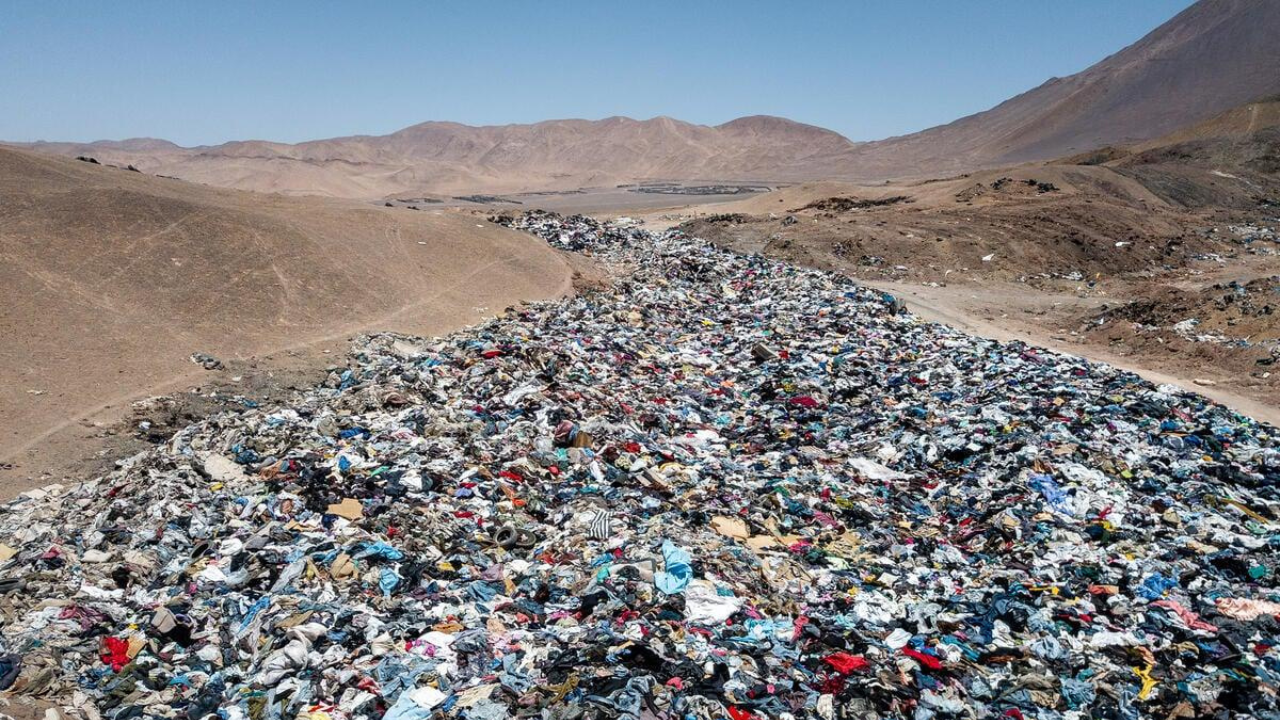
Every year, millions of tons of used clothing are shipped across the world. Developed nations send their unwanted items to developing countries in Africa, Asia, and South America. While some of these clothes are sold in local second-hand markets, the volume is simply too high for these countries to manage. In Chile’s Atacama Desert, mountains of clothes are now so large they can be seen from space. In Indonesia, rivers and coastlines are clogged with fabric waste that washes up on the shore, harming local fishing and tourism.
Important Numbers and Facts
The fashion industry produces about 100 billion garments every year. This is double the amount produced twenty years ago. Reports show that in some major second-hand markets, up to 40% of the imported clothing is immediate waste because it is too damaged or poor in quality to be used. Most of these clothes are made from polyester, which is a type of plastic made from oil. This means when they are dumped, they release tiny plastic bits, called microplastics, into the environment.
Background and Context
This issue started with the rise of the fast fashion business model. This is a system where brands make clothes very quickly and sell them at very low prices. Because the clothes are so cheap, people buy more than they need and throw them away after only a few wears. This has created a culture where clothes are treated like paper plates or plastic forks. Donation centers were never designed to handle this much trash. They are overwhelmed by the sheer amount of fabric coming their way every single day.
Public or Industry Reaction
Environmental groups and local leaders in the affected countries are starting to speak out against this practice. They argue that wealthy nations are using poorer countries as a trash can for their fashion waste. There is a growing movement to hold big fashion brands responsible for the entire life of the clothes they make. Some experts are calling for new laws that would force companies to pay for the cleanup of their products. Many people are also calling for a "slow fashion" movement, which encourages buying fewer things that are made to last longer.
What This Means Going Forward
To fix this, we cannot just rely on better recycling. Most clothes today are made of mixed fabrics, like a blend of cotton and plastic, which are very hard to separate and recycle. The real solution is to produce fewer clothes and make them better. Consumers are being encouraged to buy high-quality items that can be repaired when they break. Governments may also start taxing companies that produce too much waste. In the future, we might see more "take-back" programs where stores must take back their own old clothes to ensure they are handled correctly.
Final Take
Giving away old clothes feels like a kind act, but it often hides a much bigger problem. We must realize that our shopping habits have a direct effect on the environment thousands of miles away. The best way to help is to buy less, choose better quality, and wear what we already own for as long as possible. True change starts with moving away from the idea that clothes are disposable items.
Frequently Asked Questions
Why do donated clothes end up in deserts?
Many donated clothes are of such low quality that they cannot be sold or worn again. When countries receive more used clothes than they can use, the extra items are often dumped in illegal landfills or open spaces like deserts.
Is fast fashion bad for the environment?
Yes, fast fashion uses a lot of water and chemicals during production. Since most of these clothes are made of synthetic materials like polyester, they do not break down and end up polluting the land and oceans for centuries.
How can I help reduce clothing waste?
The best way to help is to buy fewer new clothes and choose items made from high-quality, natural materials. You can also repair your clothes, swap them with friends, or buy items from second-hand shops instead of buying new ones.