
Summary
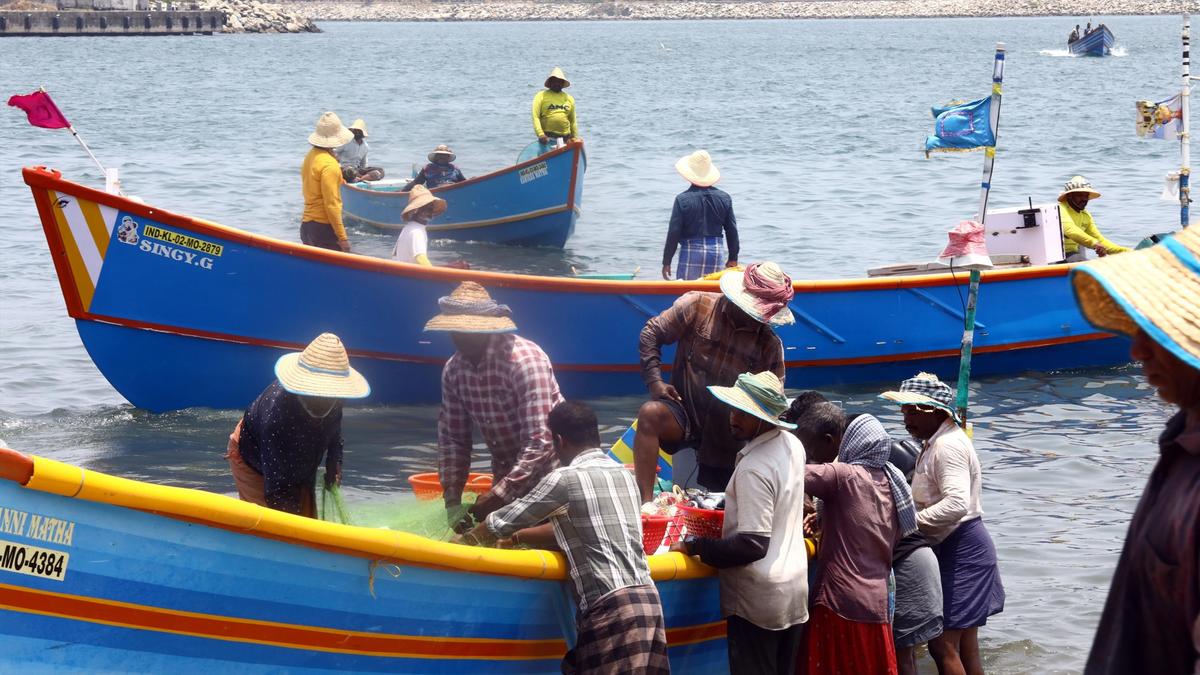
Traditional fishers are facing a growing crisis as extreme heat changes the behavior of marine life and makes daily work much harder. Rising sea temperatures are pushing fish into deeper, cooler waters, which forces fishers to travel further and spend more on fuel. At the same time, a surge in jellyfish populations is damaging equipment and causing health issues for workers. These combined factors are threatening the livelihoods of small-scale fishing communities and the vendors who sell their catch.
Main Impact
The primary impact of this weather shift is a sharp increase in the cost of fishing. Because the surface water is too warm, the fish that people usually catch near the shore have moved away. This means fishers must use more fuel to reach deeper parts of the ocean. For many, the money they spend on fuel is now higher than the money they make from selling the fish. This financial pressure is making it difficult for families who have relied on the sea for generations to stay in business.
Key Details
What Happened
As the sun stays hot for longer periods, the top layer of the ocean heats up significantly. Fish are sensitive to temperature and move to find a comfortable environment. This migration to deeper water leaves traditional coastal areas empty. Additionally, the warmer water has created the perfect environment for jellyfish to multiply quickly. These jellyfish are not just a nuisance; they are a physical danger. They get caught in the nets, making them incredibly heavy and often causing the fine mesh to tear under the weight. When fishers try to clear their nets, they often come into contact with the jellyfish, leading to painful skin allergies and stings.
Important Numbers and Facts
The daily schedule for a typical fisher has changed drastically. Many have had to reduce their working hours by several hours each day to avoid the most dangerous heat of the afternoon. This reduction in time means fewer fish are caught. Furthermore, the rate at which fish spoil has increased. In the past, a small amount of ice was enough to keep a catch fresh until it reached the market. Now, because the air and water are so hot, fish can begin to go bad within an hour of being caught. This requires fishers to buy much more ice, adding another expense to their already tight budgets.
Background and Context
Traditional fishing is very different from large-scale industrial fishing. Small-scale fishers use smaller boats that do not have large freezers or advanced technology. They rely on their knowledge of the water and the weather. In many parts of the world, these communities provide the main source of protein for local people. When the climate changes, these workers are the first to suffer because they do not have the money or equipment to adapt quickly. The current heatwave is not just a temporary problem; it is part of a larger trend of warming oceans that is changing how people interact with the sea.
Public or Industry Reaction
Local fishing groups are expressing deep worry about the future of their trade. Many workers say they are physically exhausted and that the work is becoming too dangerous for the small amount of money they earn. Fish vendors, who are often the wives or family members of the fishers, are also struggling. They spend long hours sitting in open markets under the hot sun. They report that the heat makes them feel sick and tired, and they often have to lower their prices at the end of the day just to get rid of fish before it spoils completely. There is a growing sense of frustration that their hard work is no longer enough to provide a stable life.
What This Means Going Forward
If these high temperatures continue, the fishing industry will need significant support to survive. This might include better cooling facilities at the docks where fishers land their boats. There is also a need for new types of nets that can withstand jellyfish or better medical support for fishers who suffer from heat-related illnesses. If the cost of fishing continues to rise, the price of fish in the markets will also go up, making it harder for regular families to afford fresh food. Governments may need to look at ways to help these communities transition to new ways of working or provide financial aid during the hottest months of the year.
Final Take
The struggle of traditional fishers highlights the human side of environmental change. It is not just about the temperature of the water; it is about the survival of a way of life. When the sun becomes an enemy to the people who feed us, it shows that we need to find better ways to protect both our natural resources and the people who work with them every day.
Frequently Asked Questions
Why are jellyfish more common in warm water?
Jellyfish thrive in warmer temperatures because it speeds up their growth and reproduction. When the ocean stays warm for a long time, their numbers can grow very quickly, leading to what is known as a jellyfish bloom.
How does the heat affect the price of fish?
The price goes up because fishers have to spend more on fuel to find fish in deeper waters and more on ice to keep the fish from spoiling. When it costs more to catch the fish, the price at the market usually increases as well.
What health risks do fishers face in this heat?
Fishers face risks like heat exhaustion and dehydration from working under the sun. They also deal with skin allergies and painful stings from the increased number of jellyfish caught in their nets.



