
Summary
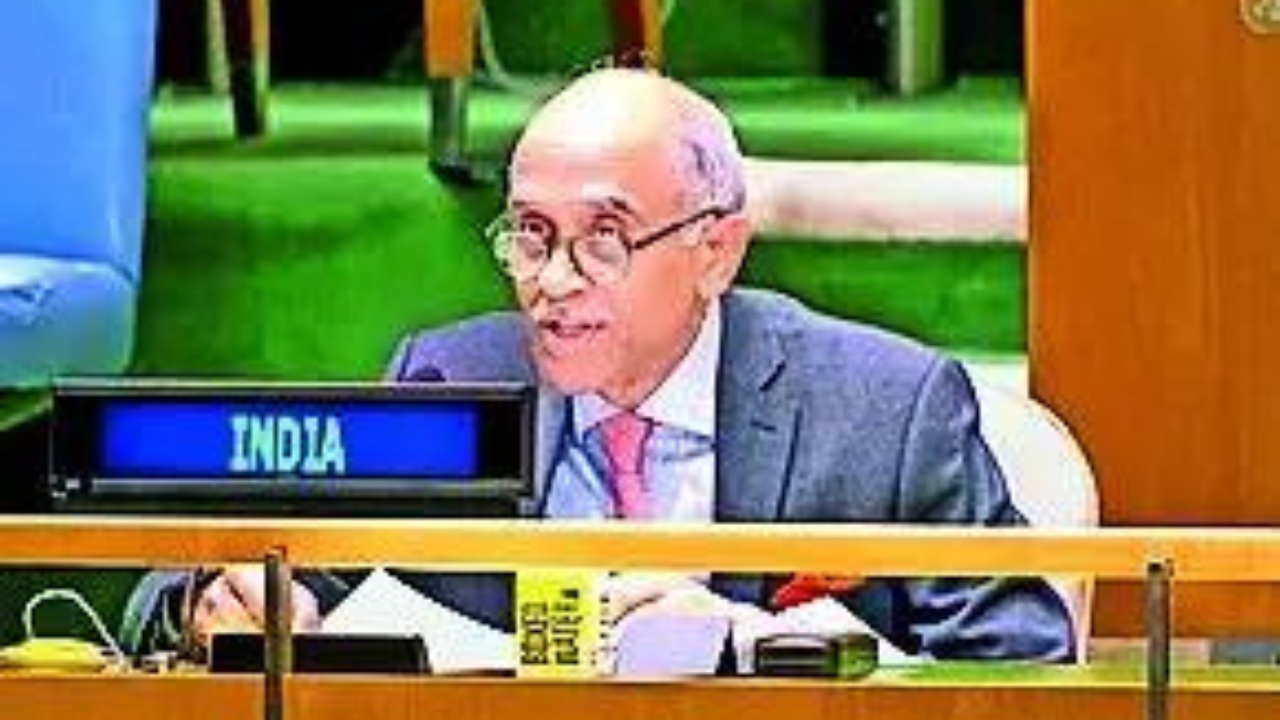
India has once again called for a major update to the United Nations Security Council (UNSC). The Indian government argues that for any reform to be meaningful, new permanent members must be added and given the power to veto decisions. Without this change, India believes the council will remain stuck in the past and fail to represent the modern world. This move is seen as a way to make the global body more fair and effective in handling today’s security challenges.
Main Impact
The push for these changes could shift how power is shared across the globe. Currently, only five countries hold the most power in the United Nations. If India’s proposal is accepted, it would break the long-standing control held by these few nations. This would give a stronger voice to developing countries and regions like Africa and Latin America. However, it also creates a debate about whether more veto powers would make it harder for the UN to take quick action during international crises.
Key Details
What Happened
During recent meetings at the United Nations, India’s representatives made a strong case for "real reform." They stated that the current structure of the Security Council is like a snapshot of the world from 80 years ago. India argued that adding new permanent members without giving them the same rights as the current ones would be a "cosmetic" change. This means it would look like progress on the outside but would not change how things actually work on the inside.
Important Numbers and Facts
The Security Council currently has 15 members in total. Five of these are permanent members: the United States, the United Kingdom, France, China, and Russia. These five countries have the "veto power," which allows any one of them to block a resolution, even if every other country in the world agrees with it. The other 10 members are elected for two-year terms and do not have the veto. India, which is now the most populous nation on Earth and a top global economy, believes this lopsided system is no longer acceptable in 2026.
Background and Context
The United Nations was created in 1945, right after World War II ended. The five permanent members were the main winners of that war. At that time, many countries in Africa, Asia, and the Caribbean were still under colonial rule and did not have a say in how the UN was built. Since then, the world has changed completely. Dozens of new independent nations have joined the UN, and the global economy has shifted toward the East and South. India argues that a council designed for 1945 cannot solve the problems of 2026, such as modern wars, climate change, and global health issues.
Public or Industry Reaction
India is not alone in this fight. It is part of a group called the G4, which includes Brazil, Germany, and Japan. All four countries support each other’s bids for permanent seats. Many African nations also support this reform, as they want permanent representation for their continent. On the other hand, some countries are against the idea. A group known as "Uniting for Consensus" argues that adding more permanent members with veto power will lead to more gridlock. They prefer adding more non-permanent seats that rotate more often. The current five permanent members have mixed feelings; while some say they support reform in principle, they are slow to give up their exclusive powers.
What This Means Going Forward
The road to changing the UN is long and difficult. To change the rules, two-thirds of the UN General Assembly must vote in favor, and all five current permanent members must agree. This makes it very hard to pass any big changes. India plans to keep building alliances with other nations to put pressure on the system. If the UN does not change, there is a risk that countries will start looking for other ways to solve global problems outside of the UN. This could make the United Nations less important over time.
Final Take
India’s demand for a permanent seat with veto power is about more than just status. It is about ensuring that the rules of the world are written by a group that actually looks like the world today. For the United Nations to stay useful, it must find a way to include rising powers in its most important decision-making room. Without real reform, the council risks becoming a relic of history rather than a tool for the future.
Frequently Asked Questions
What is the veto power in the UN?
The veto power allows any of the five permanent members of the Security Council to stop a proposal from passing. Even if all other members vote "yes," a single "no" vote from a permanent member kills the resolution.
Why does India want a permanent seat?
India believes its large population, growing economy, and contributions to UN peacekeeping missions give it the right to help lead global decisions. It wants to ensure that the interests of developing nations are protected.
Which countries currently have a permanent seat?
The five permanent members are the United States, Russia, China, France, and the United Kingdom. They have held these positions since the UN was founded in 1945.



