
Summary
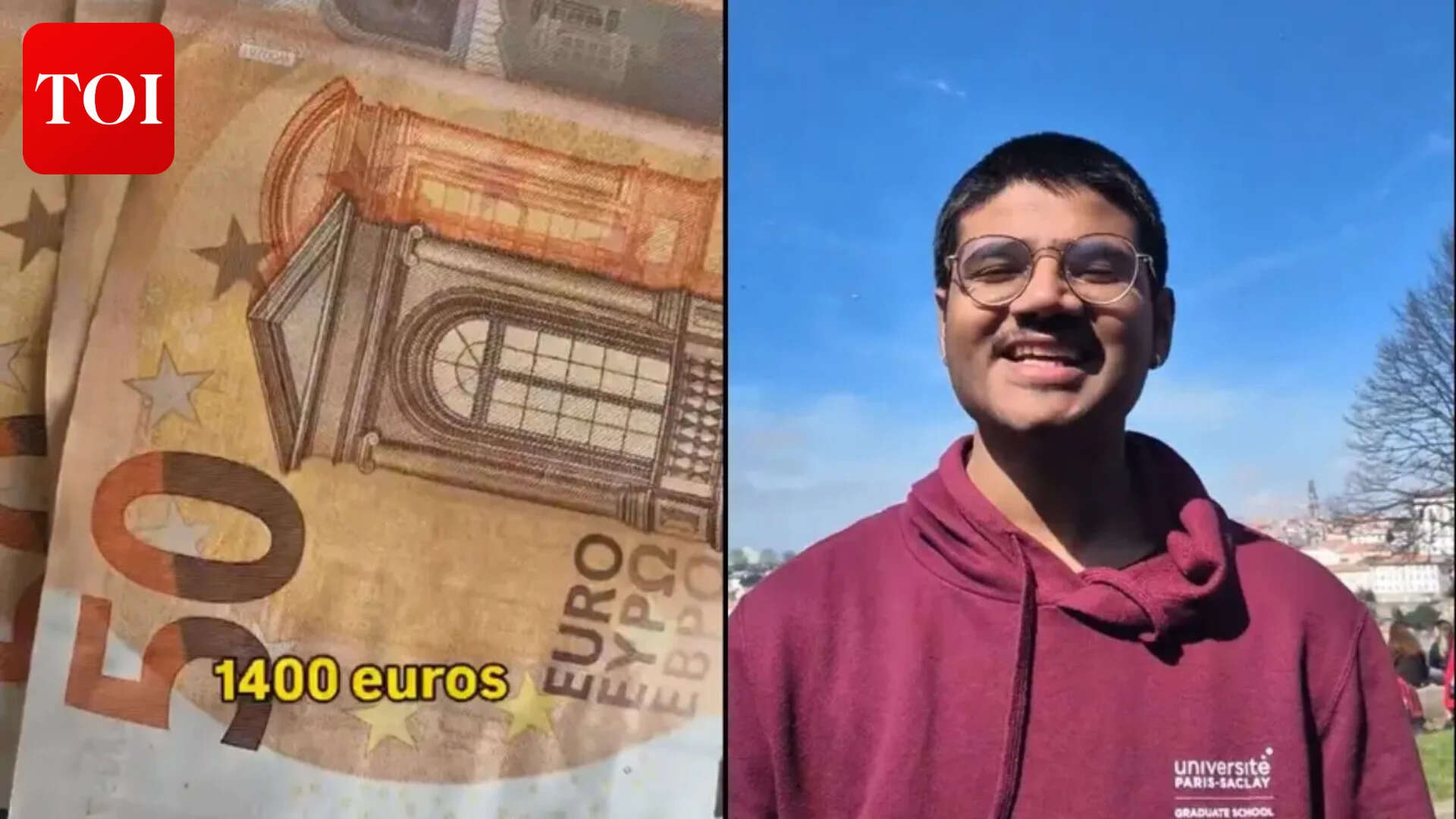
European officials and local citizens are raising concerns over what they call the "total subversion" of the student visa system. Reports suggest that a growing number of people from India are using educational permits as a way to enter Europe primarily for work rather than study. By enrolling in low-cost courses, these individuals can stay in the country legally while earning around €1,400 per month through various jobs. This trend has sparked a heated debate about immigration rules and the true purpose of international education programs.
Main Impact
The main impact of this situation is a tightening of visa rules across several European nations. Governments are worried that the student visa path is being turned into a backdoor for economic migration. This shift in how visas are used is putting a strain on local resources like housing and public transport. It also creates an unfair environment for genuine students who move abroad strictly for high-level learning. As a result, many countries are now looking at ways to limit work hours for students and increase the financial requirements for entry.
Key Details
What Happened
In recent months, authorities in countries like Italy, Germany, and France have noticed a pattern. Many people apply for visas to attend small, private colleges or vocational schools. Once they arrive, they spend very little time in the classroom. Instead, they take up full-time or near full-time work in sectors like food delivery, warehouse labor, and cleaning services. Critics argue that these individuals are "gaming" the system by using the student status as a legal shield to earn money and send it back home.
Important Numbers and Facts
The figure of €1,400 a month is a key part of this discussion. In many parts of Europe, this amount is enough to cover basic living costs and still have money left over to save. For many workers, this is significantly more than what they could earn in similar roles in India. Reports indicate that some "visa factories"—schools that exist mainly to provide paperwork for migrants—charge low tuition fees to make this path affordable. Some regions have seen a sharp increase in applications for these specific types of non-degree courses, which has raised red flags for immigration officers.
Background and Context
This issue matters because it touches on the integrity of the European education system. For decades, Europe has been a top destination for the world's brightest minds. However, the rise of the "gig economy," which includes app-based delivery and service work, has made it easier for people to find quick jobs without needing high-level skills. At the same time, many European countries are facing labor shortages. This creates a situation where businesses want cheap labor, and migrants want a way into the European market. The student visa has become the easiest tool to bridge that gap, even if it was never meant for that purpose.
Public or Industry Reaction
The reaction has been mixed but is turning increasingly negative in many circles. Local residents in major cities often complain that the influx of "working students" is driving up rent prices in affordable neighborhoods. Within the education industry, leaders of major universities are worried that their reputation will suffer. They fear that if the system is seen as a scam, it will become harder to attract serious researchers and academics. Meanwhile, Indian community groups in Europe have expressed concern that these reports might lead to unfair profiling of all Indian nationals, regardless of their actual reason for being in the country.
What This Means Going Forward
Moving forward, we can expect much stricter checks on educational institutions. Governments are likely to start closing schools that do not show high attendance rates or proper academic results. There is also talk of increasing the "blocked account" amount—the money a student must show in their bank account before arriving—to ensure they do not need to work long hours to survive. For future applicants, this means the process will become more expensive and the interviews will become much tougher. The goal will be to separate those who want a degree from those who simply want a paycheck.
Final Take
The current tension shows that the line between international education and international labor is becoming blurred. While Europe needs workers and students bring value to the economy, using one system to bypass the rules of another creates long-term problems. If the "gaming" of the system continues, the very programs that allow for global exchange may be cut back, hurting everyone involved. A clear fix is needed to ensure that a student visa remains a path to learning, not just a way to find a job.
Frequently Asked Questions
Why are Europeans concerned about Indian students working?
The concern is that many are not actually studying but are using the student visa as a way to work full-time. This is seen as a way to bypass stricter work visa rules.
How much are these individuals reportedly earning?
Many are reportedly earning around €1,400 per month, which allows them to cover their living costs and send money back to their home country.
What changes might happen to visa rules?
Governments may increase the amount of money students must have in their bank accounts and start monitoring school attendance much more closely to prevent abuse.

