
Summary
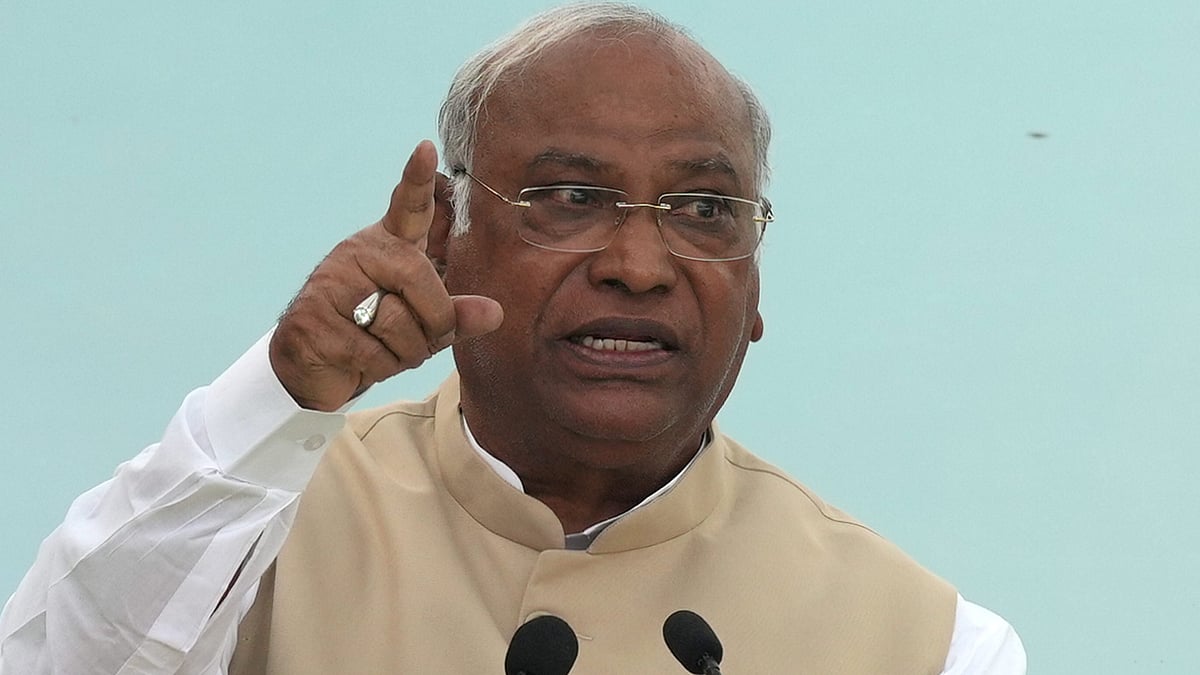
Mallikarjun Kharge, the Leader of the Opposition in the Rajya Sabha, has called for an urgent debate on India’s energy security. He expressed deep concerns over the growing conflict in West Asia and how it is affecting fuel prices at home. Kharge pointed out that the rising costs of cooking gas are putting a heavy burden on poor families. He urged the government to discuss these challenges openly in Parliament to find ways to protect the country’s economy.
Main Impact
The primary impact of this demand is to bring national attention to how global wars affect the daily lives of Indian citizens. As the conflict in West Asia grows, the cost of importing oil and gas increases. This leads to higher prices for domestic and commercial gas cylinders. Kharge argued that these economic shifts are no longer just international news but are directly hurting the financial stability of Indian households. By calling for a formal discussion, the Opposition is pushing the government to provide a clear plan for maintaining energy supplies and controlling prices.
Key Details
What Happened
During a session in the Rajya Sabha, Mallikarjun Kharge raised a formal request for a short-duration discussion under Rule 176. He spoke about the fast-changing situation in West Asia and its ripple effects on India. Kharge noted that the conflict is spreading beyond its original borders, which creates a risky environment for India’s energy needs. Following his speech, External Affairs Minister S. Jaishankar attempted to give a statement on the situation. However, this led to protests from Opposition members who wanted a full debate before the government made its statement. The session ended with Opposition parties staging a walkout in protest.
Important Numbers and Facts
Several key figures were highlighted during the discussion to show the scale of the problem:
- LPG Price Hikes: Domestic cooking gas prices have increased by ₹60, while commercial gas prices have gone up by ₹115.
- Oil Imports: India relies on West Asia for about 55 per cent of its total crude oil requirements.
- Indian Workforce: Approximately one crore (10 million) Indian nationals live and work in the West Asian region.
- Economic Contributions: Indian workers in Gulf countries send back about $51 billion in remittances every year, which is vital for India’s economy.
- Safety Concerns: There are reports of Indian citizens being killed or going missing due to the ongoing violence in the region.
Background and Context
India is one of the world's largest consumers of energy. Because the country does not produce enough oil and gas locally, it must buy most of it from other nations. West Asia is the most important source for these imports. When there is a war or political trouble in that part of the world, the supply chain gets disrupted. This makes oil more expensive on the global market. Since the Indian government and oil companies have to pay more to buy this oil, the costs are often passed down to the public in the form of higher fuel and gas prices. Additionally, millions of Indians move to the Middle East for jobs. Their safety and the money they send back home are essential for India's financial health.
Public or Industry Reaction
The reaction within Parliament was tense. While the Rajya Sabha Chairman, C.P. Radhakrishnan, said he would consider the request for a discussion, the Opposition felt the matter was too urgent to wait. Many members of the Congress party and other groups joined Kharge in his protest. They argued that the government should not just give a one-sided report but should instead listen to the concerns of all representatives. Outside of Parliament, there is growing worry among the public about inflation. Small business owners, especially those in the food industry, have expressed concern over the ₹115 rise in commercial gas, as it increases their daily operating costs.
What This Means Going Forward
In the coming weeks, the government will likely face more pressure to address energy security. If the conflict in West Asia continues to escalate, oil prices may rise even further. This could lead to higher transportation costs, which usually makes food and other essential goods more expensive. The government will need to look for alternative energy sources or strengthen its diplomatic ties to ensure that oil supplies remain steady. There is also the massive task of ensuring the safety of the millions of Indians working abroad. If the situation worsens, the government might have to organize evacuation plans or provide extra support for those caught in the conflict zones.
Final Take
The demand for a discussion on energy security highlights a major challenge for India. It shows that global events have a direct and immediate impact on the local economy. Protecting the poor from rising fuel costs and ensuring the safety of Indian workers abroad are now top priorities. The government’s next steps will be crucial in deciding how well the country can weather this international crisis without hurting its own economic growth.
Frequently Asked Questions
Why is the West Asia conflict affecting gas prices in India?
India imports over half of its oil from West Asia. When there is a conflict in that region, it becomes harder and more expensive to transport oil, which leads to price hikes for petrol, diesel, and cooking gas in India.
What is Rule 176 in the Rajya Sabha?
Rule 176 allows members of Parliament to request a short-duration discussion on a matter of urgent public importance. It does not involve a formal vote but allows for a detailed debate on a specific issue.
How many Indians are affected by the situation in West Asia?
About 10 million Indians work in the region. Their safety is at risk due to the conflict, and the $51 billion they send home annually is a major part of India's foreign exchange earnings.

