
Summary
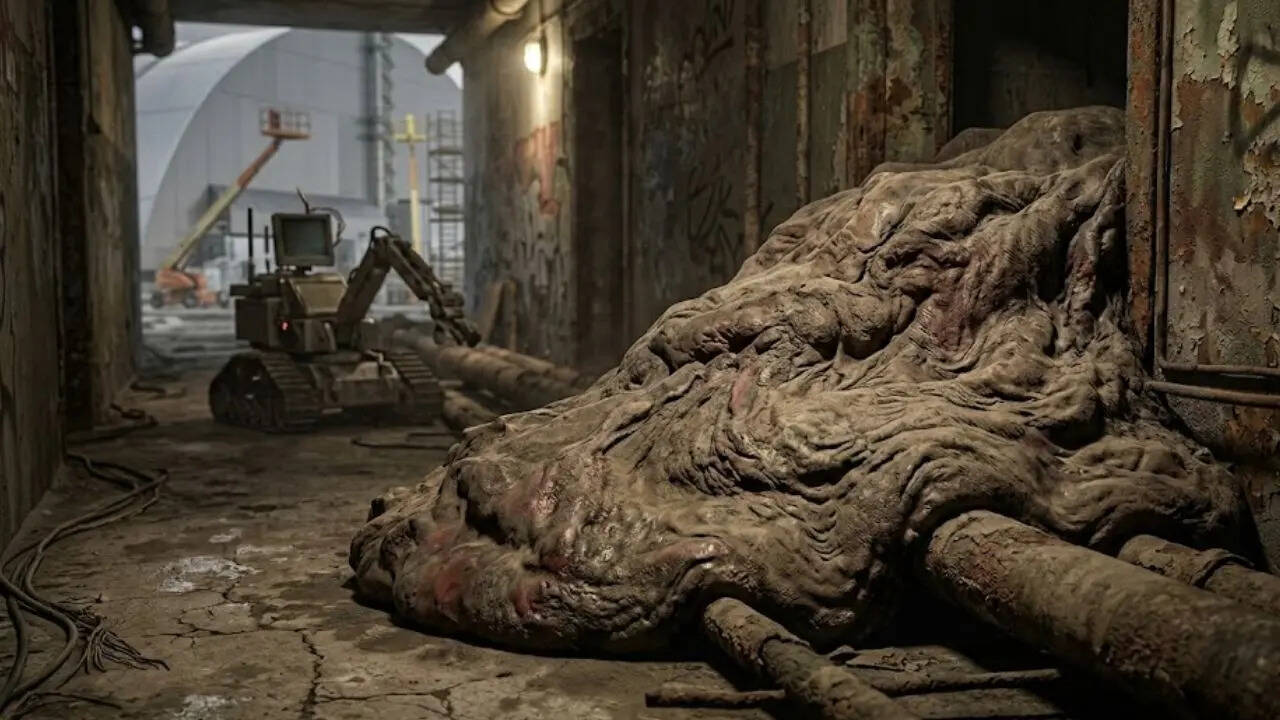
The Elephant’s Foot is a massive, 2,000-kilogram pile of radioactive waste located deep inside the Chornobyl Nuclear Power Plant. It formed during the 1986 disaster when the reactor core melted and turned into a lava-like substance. Decades later, it remains one of the most dangerous objects on Earth because it is still highly radioactive and physically very hard to destroy. This mass serves as a permanent reminder of the long-term dangers associated with nuclear accidents.
Main Impact
The primary impact of the Elephant’s Foot is the extreme health risk it poses to anyone who gets close to it. Even though nearly 40 years have passed since the explosion, the mass still emits high levels of radiation. This radiation is strong enough to damage human cells and cause death within a very short time. Furthermore, the material is so dense and hard that traditional tools cannot easily break it apart, making cleanup efforts incredibly difficult and dangerous for workers.
Key Details
What Happened
During the Chornobyl disaster in April 1986, the Unit 4 reactor overheated and exploded. The intense heat melted the nuclear fuel rods, the metal cladding, and the concrete walls of the building. This mixture turned into a glowing, white-hot liquid known as corium. This "nuclear lava" burned through the floor and flowed into the pipes and the basement of the plant. As it cooled down, it hardened into a dark, wrinkled mass that looked like the foot of a giant elephant, which is how it got its name.
Important Numbers and Facts
The Elephant’s Foot is roughly two meters wide and weighs about 2,000 kilograms, or two metric tons. When it was first discovered a few months after the accident, the radiation levels were measured at 10,000 roentgens per hour. At that level, just 30 seconds of exposure would cause dizziness and fatigue. Two minutes of exposure would cause the body's cells to bleed, and 300 seconds—just five minutes—would lead to death within two days. While the radiation has decreased over time, it is still powerful enough to ruin camera film and break electronic sensors on robots.
Background and Context
To understand why this object is so unique, it helps to know about the material it is made of. Corium is a man-made substance that only forms during a severe nuclear meltdown. It is a mix of uranium, graphite, sand, and melted concrete. Because it is a mixture of so many different things, it does not behave like a normal metal or rock. In the years following the disaster, the Soviet Union built a giant concrete structure called the Sarcophagus to cover the reactor. Later, a much larger steel arch called the New Safe Confinement was placed over the entire site to prevent radioactive dust from escaping into the air.
Public or Industry Reaction
Scientists and engineers have spent years trying to figure out how to handle the Elephant’s Foot. In the early days, workers tried to take samples using drills, but the material was too hard. They eventually had to use a rifle to shoot a piece off so they could study it in a lab. Today, the international community monitors the site closely. There is a constant fear that as the material ages, it might turn into fine dust. If this dust becomes airborne, it could spread radiation far beyond the walls of the power plant, posing a new threat to the surrounding environment.
What This Means Going Forward
The Elephant’s Foot cannot be moved or destroyed using current technology without risking the lives of workers. The current plan is to keep it contained within the New Safe Confinement structure, which is designed to last for at least 100 years. Experts hope that within this century, new robotic technology will be developed that can withstand high radiation levels. These future robots might be able to break the mass into smaller pieces and move them to a permanent, safe storage location. Until then, the mass will remain in the dark basement, slowly cooling down over hundreds of years.
Final Take
The Elephant’s Foot is a chilling symbol of a disaster that changed the world's view on energy. It shows that once a nuclear meltdown happens, the resulting waste can stay dangerous for generations. While the site is much safer now than it was in 1986, this 2,000-kilogram mass of toxic sludge remains a problem that humanity has yet to fully solve. It is a reminder that some human mistakes have consequences that last much longer than a single lifetime.
Frequently Asked Questions
Can you see the Elephant’s Foot in person?
No, the public is not allowed to see it. It is located in a restricted area deep inside the ruins of the Chornobyl plant. Only a few scientists and authorized workers with special protective gear can enter the area for very short periods.
Is the Elephant’s Foot still hot?
Yes, it is still slightly warmer than the air around it. This is because the radioactive materials inside it are still decaying, which creates a small amount of heat even decades after the explosion.
Will the Elephant’s Foot ever stop being radioactive?
It will remain radioactive for thousands of years. While the most intense radiation has faded, the uranium and other elements inside the mass have a very long half-life, meaning they stay dangerous for a very long time.

