
Summary
Congress leader Rahul Gandhi has raised serious concerns regarding the health services provided to India’s military veterans. He pointed out several flaws in the Ex-Servicemen Contributory Health Scheme (ECHS), which millions of retired soldiers rely on for medical care. Gandhi urged the government to show more respect to veterans by fixing issues like medicine shortages and unpaid hospital bills. The government has responded by acknowledging some delays but maintains that the system is still working to provide care.
Main Impact
The primary impact of these concerns falls on the 72 lakh (7.2 million) ex-servicemen and their families who use the ECHS for their healthcare needs. When the scheme faces funding gaps or administrative delays, it directly affects the health and well-being of those who served in the armed forces. If private hospitals stop accepting veterans because the government has not paid its bills, these retired soldiers are left without the medical support they were promised. This situation creates a sense of uncertainty for a large and vulnerable group of citizens.
Key Details
What Happened
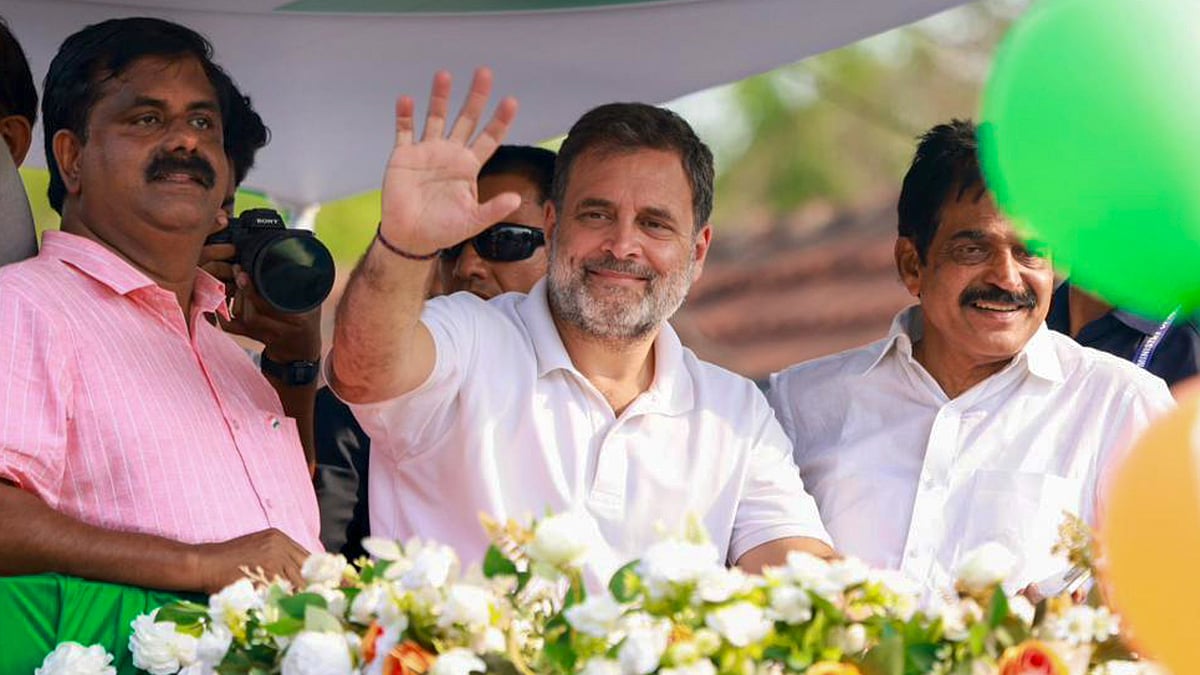
Rahul Gandhi recently met with a group of injured veterans during a public interaction event. During this meeting, the veterans shared their struggles with the current healthcare system. They reported that many hospitals that are supposed to provide free treatment are now refusing to see patients. This is often because the government owes these hospitals a significant amount of money. Additionally, veterans mentioned that they often face long waits for money to be paid back to them and find that essential medicines are frequently out of stock at clinics.
Important Numbers and Facts
The ECHS is a massive program that covers over 72 lakh people, including retired soldiers and their dependents. According to Gandhi, a recent report from the Comptroller and Auditor General (CAG) of India showed that the scheme does not have enough money to function properly. When the matter was discussed in Parliament, the government admitted there were delays in payments but did not provide a specific timeline for when these debts would be cleared. The Minister of State for Defence, Sanjay Seth, explained that the process of checking and paying hospital bills is "dynamic," meaning it is a continuous and often slow process that can carry over from one year to the next.
Background and Context
The Ex-Servicemen Contributory Health Scheme was created to ensure that those who have retired from the Army, Navy, and Air Force have access to quality medical care. It is designed to be a "cashless" system, where the veteran does not have to pay at the hospital; instead, the government pays the hospital directly. This is a vital benefit for soldiers who may have suffered injuries or health problems during their years of service. However, as the number of veterans grows and medical costs rise, the budget for this scheme has come under heavy pressure. This has led to a gap between the services promised and the services actually delivered.
Public or Industry Reaction
The reaction to these claims has been mixed. On one side, veteran groups have expressed frustration over the difficulty of getting specialized treatment at private hospitals. They argue that after years of service, they should not have to worry about whether a hospital will accept their health card. On the other side, the government defended its record. Minister Sanjay Seth stated that the ECHS continues to offer a wide network of clinics and hospitals. He also addressed concerns about taxes on disability pensions, clarifying that these pensions remain exempt from income tax following previous court rulings. The government insists it is working to make the payment system faster and more efficient.
What This Means Going Forward
Moving forward, the government will likely face more pressure to increase the budget for veteran healthcare. If the funding gaps identified by the CAG are not filled, the tension between the government and private hospitals may grow. This could lead to more hospitals leaving the scheme, which would make it even harder for veterans in rural or remote areas to find care. There is also a call for more transparency in how bills are processed so that veterans and hospitals know exactly when payments will be made. The debate over how to fund these services while maintaining tax benefits for disabled soldiers will likely continue in the coming months.
Final Take
Providing healthcare to veterans is a fundamental duty of the state. While the government points to the complexity of managing such a large system, the personal stories of veterans being turned away from hospitals suggest that the current approach needs improvement. Ensuring that the ECHS is fully funded and efficient is the only way to provide the dignity and support that India’s former soldiers have earned through their service.
Frequently Asked Questions
What is the ECHS?
The Ex-Servicemen Contributory Health Scheme (ECHS) is a government program that provides free healthcare to retired members of the Indian Armed Forces and their families through a network of government clinics and private hospitals.
Why are some hospitals refusing to treat veterans?
Some private hospitals have stopped accepting ECHS patients because the government has been slow to pay back the costs of the treatments. These unpaid bills have created financial problems for the hospitals, leading them to pause their services for the scheme.
Are disability pensions for veterans taxed?
The government has clarified that disability pensions for veterans remain exempt from income tax. This is in line with rulings from the Supreme Court of India that protect these benefits for eligible personnel.

