
Summary
West Bengal Chief Minister Mamata Banerjee has publicly criticized Prime Minister Narendra Modi following his recent public appearance eating a local snack. During a campaign event, the Prime Minister was seen stopping for a "jhalmuri" break, a popular street food in Bengal. Banerjee dismissed the move as a staged political act, calling it "drama" designed to win over local voters. This exchange highlights the growing tension between the Trinamool Congress (TMC) and the Bharatiya Janata Party (BJP) as they compete for influence in the state.
Main Impact
The primary impact of this verbal clash is the further polarization of the political atmosphere in West Bengal. By labeling the Prime Minister’s actions as a performance, Banerjee is attempting to paint the BJP’s outreach efforts as insincere. This strategy aims to remind voters of the cultural differences between the state leadership and the central government. On the other hand, the BJP uses these moments to show the Prime Minister as a man of the people who appreciates local traditions. These small moments often become major talking points that overshadow policy discussions during election cycles.
Key Details
What Happened
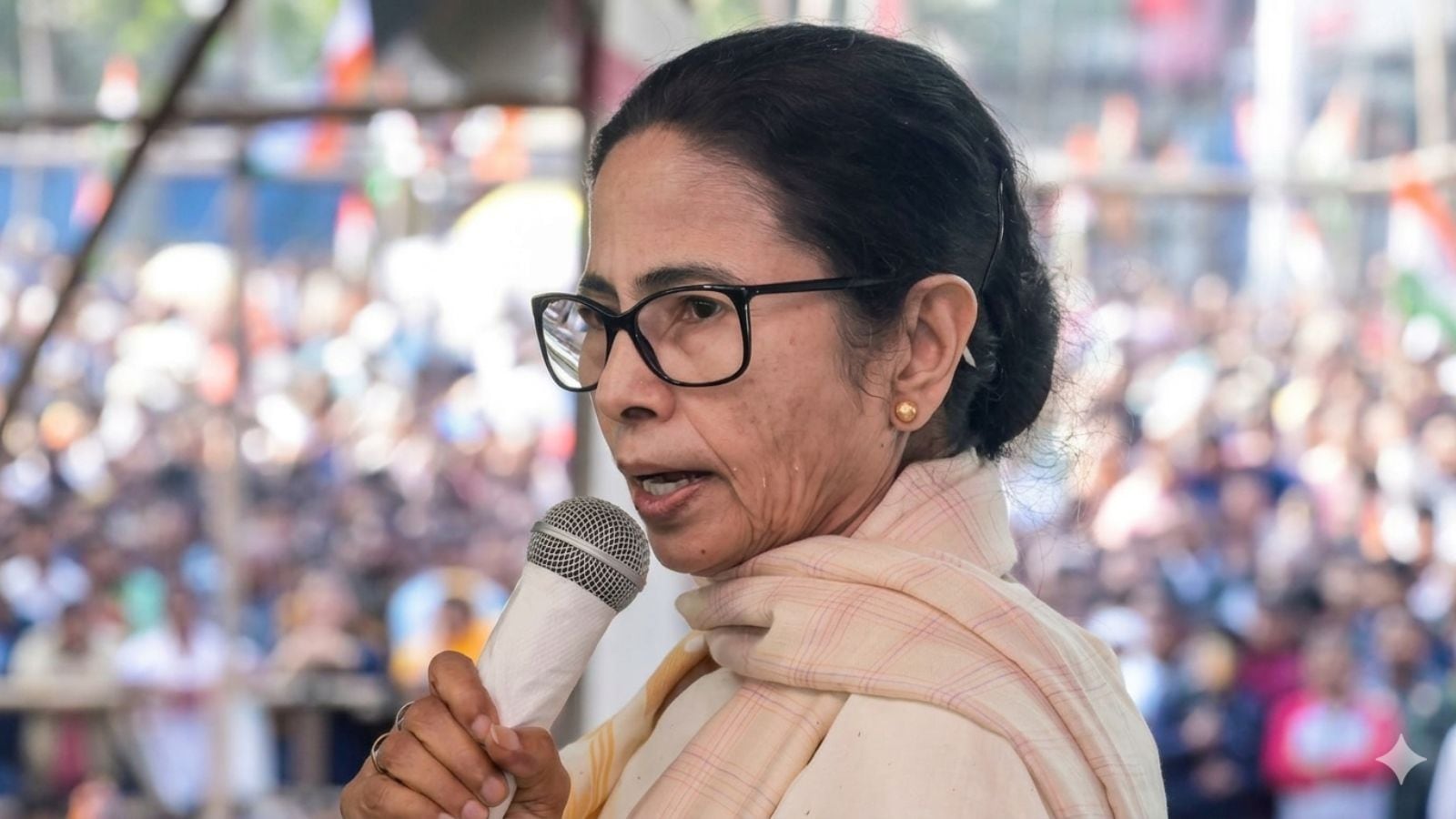
The incident took place during the Prime Minister’s visit to West Bengal for a series of political rallies. While traveling between locations, PM Modi stopped to enjoy "jhalmuri," which is puffed rice mixed with spices, oil, and vegetables. Images and videos of the Prime Minister eating the snack quickly went viral on social media. Shortly after, Mamata Banerjee addressed a gathering where she mocked the event. She suggested that such actions are only done when cameras are rolling and do not reflect a true love for Bengali culture.
Important Numbers and Facts
West Bengal is a critical state in Indian politics, holding 42 seats in the Lok Sabha. In recent years, the BJP has significantly increased its presence in the state, moving from a minor player to the main opposition. During the last major election, the BJP won 18 seats, while the TMC secured 22. Because the margins are so thin in many areas, both parties focus heavily on symbolic gestures to connect with the rural and urban working-class populations. The "jhalmuri" incident is just one of many cultural symbols, including festivals and historical figures, that both parties fight over regularly.
Background and Context
To understand why a simple snack break caused such a stir, one must look at the history of the TMC and BJP rivalry. Mamata Banerjee has built her political career on being a "daughter of the soil." She often portrays herself as the sole protector of Bengali identity against what she calls "outsiders." The BJP, led by PM Modi and Amit Shah, has been working hard to break this narrative by participating in local customs and speaking in the local language. Food is a very important part of Bengali identity, and "jhalmuri" is perhaps the most common and beloved snack in the region. When a national leader eats it publicly, it is seen as a direct attempt to bond with the local community.
Public or Industry Reaction
The reaction to Banerjee’s "drama" comment has been split along party lines. TMC supporters praised her for calling out what they see as fake photo opportunities. They argue that the central government should focus on providing funds for state projects rather than eating street food. Meanwhile, BJP leaders responded by saying that Banerjee is nervous about the Prime Minister’s popularity. They claimed her comments show a lack of respect for the simple joys of the common man. On social media, users have been busy making memes, with some defending the Prime Minister's right to eat what he likes and others questioning the timing of the snack break.
What This Means Going Forward
As the election season continues, we can expect more of these cultural clashes. The focus will likely stay on personal attacks and symbolic gestures rather than complex economic plans. For the TMC, the goal is to keep the "outsider" tag attached to the BJP. For the BJP, the goal is to prove they are just as "Bengali" as any other party. This back-and-forth suggests that the campaign will be fought on the ground in markets, tea shops, and public squares. Voters will have to decide if these gestures are signs of genuine respect or just clever marketing tools used to get votes.
Final Take
The debate over a bag of puffed rice shows how intense the fight for West Bengal has become. While it may seem like a small matter, it represents the deep lack of trust between the state and central leadership. In a high-stakes political environment, every action is scrutinized, and even a quick snack can become a weapon in the battle for public opinion. The real test will be whether voters care more about these public displays or the actual work done by the government in their daily lives.
Frequently Asked Questions
What is jhalmuri?
Jhalmuri is a popular street food from West Bengal. It is made by mixing puffed rice with mustard oil, spices, onions, green chilies, and various other ingredients. It is known for being a quick, spicy, and affordable snack.
Why did Mamata Banerjee call the snack break "drama"?
She believes the Prime Minister uses these public moments as a way to trick voters into thinking he is connected to Bengali culture. She argues that these actions are staged for television cameras rather than being sincere.
Why is West Bengal so important in Indian elections?
West Bengal has a large number of seats in the national parliament. Winning a majority of these seats is crucial for any party that wants to form a strong government at the center. The state also has a unique cultural identity that makes political campaigning there very different from other parts of India.



