
Summary
Legal cases have been filed against candidates from the DMK and AIADMK parties in Tamil Nadu following serious allegations of voter bribery. Reports suggest that these candidates distributed coupons worth 8,000 rupees and tokens worth 10,000 rupees to local residents. The Madras High Court has taken notice of these claims and has scheduled a formal hearing for Friday. This situation highlights the ongoing struggle to ensure fair and honest elections in the region.
Main Impact
The immediate impact of these cases is a direct challenge to the fairness of the current election cycle. When major political parties are accused of giving out high-value tokens, it creates an unfair advantage and undermines the democratic process. If the court finds these allegations to be true, it could lead to the disqualification of the candidates involved. Furthermore, it puts heavy pressure on the Election Commission to increase its monitoring of local neighborhoods where such activities are reported to happen.
Key Details
What Happened
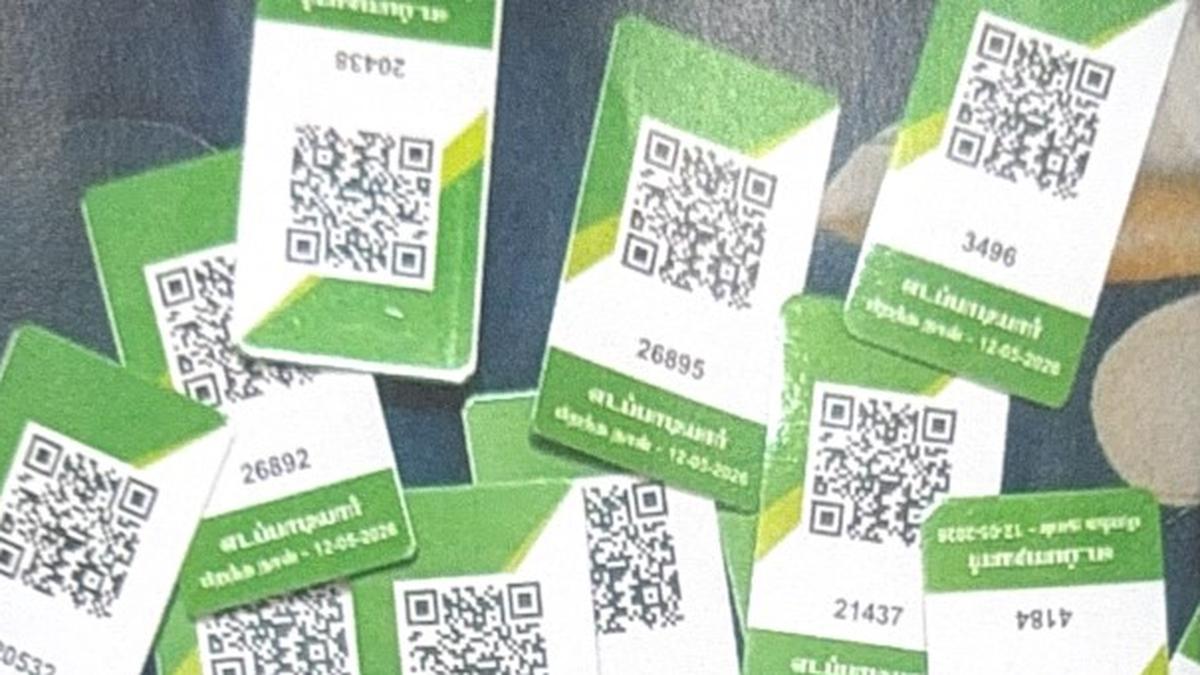
During the election campaign, officials received tips that representatives from both the ruling DMK and the opposition AIADMK were using a "token system" to influence voters. Instead of giving out direct cash, which is easy for police to seize, the parties allegedly gave out physical coupons and tokens. These items are often promised to be exchanged for cash or expensive gifts once the voting process is over. This method is used to bypass the strict rules set by election authorities who watch for large movements of money.
Important Numbers and Facts
The values reported in these cases are quite high. One set of candidates is accused of handing out coupons valued at 8,000 rupees. Another group is linked to tokens worth 10,000 rupees. These cases were brought before a bench consisting of Chief Justice Sushrut Arvind Dharmadhikari and Justice G. Arul Murugan. The court decided to hear the arguments on Friday to determine if immediate legal action or a stay on the candidates' activities is necessary. The police have already registered official complaints based on evidence gathered by flying squads and local observers.
Background and Context
Tamil Nadu has a long history of dealing with "cash-for-votes" scandals. In previous years, elections in certain areas were even canceled or delayed because the level of bribery was so high. The Model Code of Conduct is a set of rules that all political parties must follow during an election. These rules strictly forbid giving money, gifts, or any kind of reward to voters. However, as technology and monitoring improve, some groups have turned to using tokens, digital payments, or grocery store coupons to hide their tracks. This makes the job of the police and election officials much harder because they have to prove that a simple piece of paper is actually a promise of a future payment.
Public or Industry Reaction
The public reaction has been a mix of anger and concern. Many citizens feel that the use of money devalues their vote and makes the election about wealth rather than policy. Social media has been filled with photos and videos of these alleged tokens, with people calling for the Election Commission to take a stronger stand. Political experts suggest that if the court takes a tough stance on Friday, it could serve as a warning to other candidates across the state. Meanwhile, both the DMK and AIADMK have often traded accusations, each claiming the other is the one truly responsible for such practices.
What This Means Going Forward
The hearing on Friday is a critical moment for this election. The court may order a deeper investigation or ask the Election Commission to provide a detailed report on how they are stopping these activities. If more evidence comes to light, we might see more raids on party offices or the homes of local leaders. For the voters, this serves as a reminder of the importance of reporting illegal activities. In the long run, this case might lead to even stricter laws regarding how campaigns are funded and how candidates interact with the public in the days leading up to a vote.
Final Take
The integrity of an election is the most important part of a democracy. When candidates use high-value tokens and coupons to win support, they are not winning on their ideas or their plans for the future. The Madras High Court now has the responsibility to look at the facts and decide how to protect the voting process. This case is not just about two parties; it is about making sure that every vote is cast freely and without any outside pressure or illegal rewards.
Frequently Asked Questions
What are the candidates accused of doing?
Candidates from the DMK and AIADMK are accused of giving voters coupons worth 8,000 rupees and tokens worth 10,000 rupees to influence their choice in the election.
When will the court hear these cases?
The Madras High Court, led by the Chief Justice, has scheduled the hearing for this coming Friday to review the evidence and decide on the next steps.
What could happen if the candidates are found guilty?
If the allegations are proven, the candidates could face disqualification from the election, and the political parties could face heavy fines or other legal penalties from the Election Commission.



