
Summary
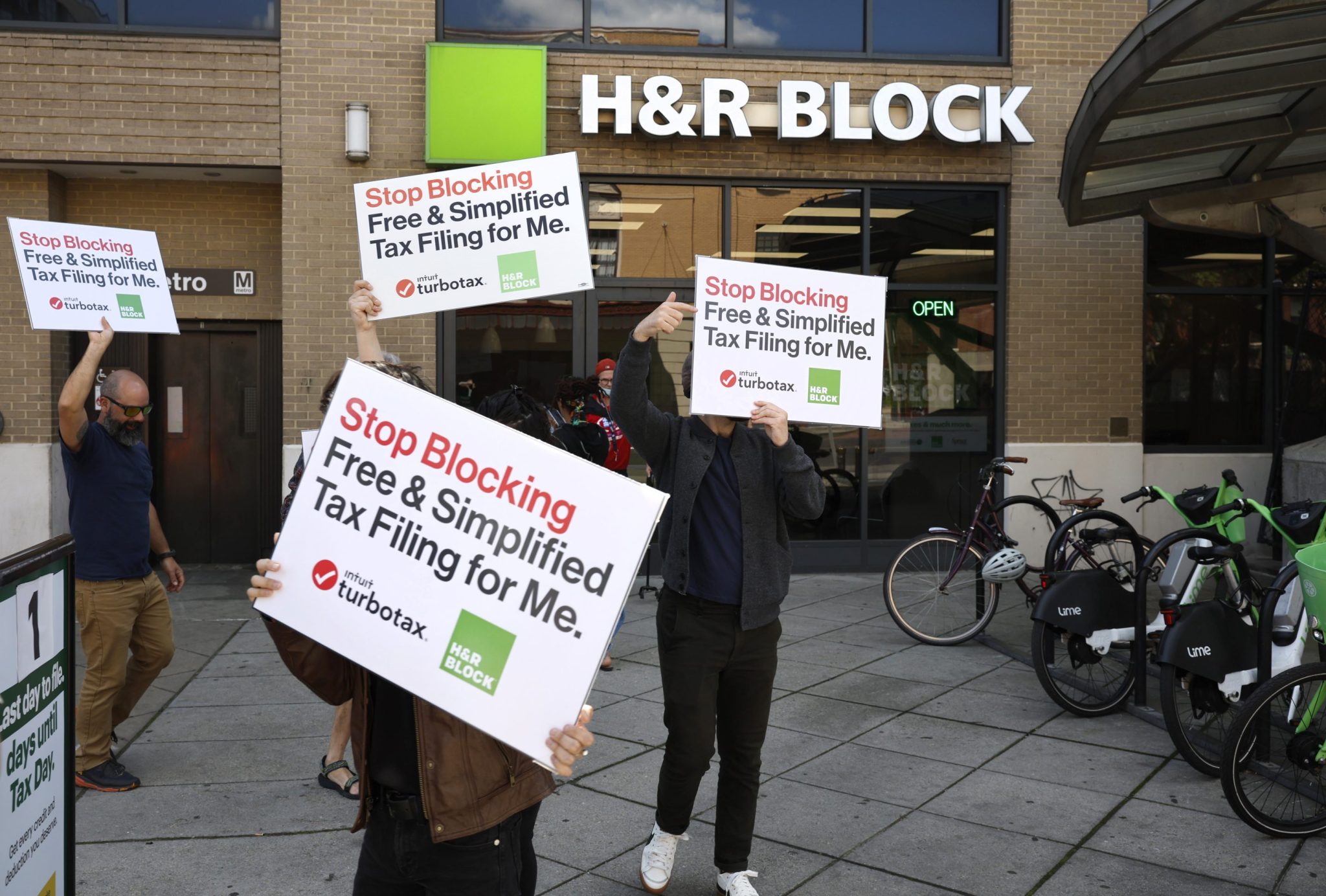
The 2026 tax season marks a major change for American taxpayers as the government’s "Direct File" program has been shut down. This free tool, created by the IRS, allowed people to file their taxes directly with the government without paying for private software. Despite high satisfaction from users, the program was canceled following years of intense lobbying by major tax preparation companies. This move forces millions of people back toward paid services or complicated private options.
Main Impact
The closure of Direct File removes a free, simple alternative to paid tax software like TurboTax and H&R Block. For the first time in two years, taxpayers who wanted a government-run filing system no longer have that choice. This change is expected to save private tax companies from losing market share, but it may cost regular Americans more in filing fees. Experts argue that the end of the program shows how difficult it is for public services to survive when they compete with powerful private businesses.
Key Details
What Happened
Direct File was a pilot program started by the IRS to see if the government could provide a free, easy way for people to do their taxes. It was built in-house and launched in 12 states during its first year. By its second year, it expanded to 25 states and was open to about 30 million people. However, after the 2024 elections and a change in government leadership, the program was suspended. The IRS recently informed states that the tool would not be available for the 2026 tax season.
Important Numbers and Facts
The program saw significant growth during its short life. In its final year, nearly 296,531 people used the system to file their taxes. While this was less than 1% of those eligible, it was double the number of users from the year before. Surveys showed that 90% of people who used Direct File rated it as "excellent" or "above average." On the financial side, the two largest tax software companies, Intuit and H&R Block, have spent over $103 million on federal lobbying since 2003 to influence tax filing rules.
Background and Context
For over twenty years, the IRS had an agreement with private tax companies. The IRS promised not to build its own filing software if the companies offered free versions of their products to low-income earners. This was known as the "Free File Alliance." However, this system was often criticized for being hard to use. Investigations found that some companies made it difficult for people to find the truly free options, often tricking them into paying for services they didn't need.
In response to these complaints, the Biden administration used funds from the Inflation Reduction Act to study and build Direct File. This was the first time the IRS directly challenged the private tax industry by offering a competing product. The goal was to make tax season less stressful and less expensive for the average worker.
Public or Industry Reaction
The reaction to the program’s end is split. Private tax companies argue that Direct File was a waste of taxpayer money. They claim that free options already exist through their own platforms and that the government should not be the one preparing the taxes it also collects. They point to the low percentage of people who used the tool as proof that it wasn't needed.
On the other side, supporters like Senator Elizabeth Warren argue that the program was a "public good" that was killed by corporate greed. They believe that the high satisfaction rates proved the government could provide a high-quality service. Advocacy groups say that the lobbying efforts by big corporations effectively took away a tool that saved people time and money.
What This Means Going Forward
For now, Direct File is dead, and the software has been turned off. Taxpayers must now look for other ways to file. Most will return to using private software, which often comes with hidden fees or "upsells" for state filings and extra forms. While some politicians are trying to pass new laws to bring the program back, they face a tough battle in a divided Congress. The technology and research for the program still exist, meaning it could technically be restarted in the future if the political climate changes.
Final Take
The rise and fall of Direct File is a clear example of the struggle between public service and private profit. While the program proved that the government could build a user-friendly tool that people liked, it could not survive the political and financial pressure from the industry it threatened. For the 2026 season, the "free and easy" dream of government filing is on hold, leaving taxpayers to navigate a complex and often costly private market once again.
Frequently Asked Questions
Why can't I use IRS Direct File this year?
The program was suspended by the government following the 2024 election cycle. Officials decided to stop the program, citing concerns about government overreach and the cost of maintaining the system.
Is there still a way to file my taxes for free?
Yes, you can still use the "Free File" portal on the IRS website if your income is below a certain limit (usually around $89,000). However, you will have to use software provided by private companies rather than a direct government tool.
Will Direct File ever come back?
Some lawmakers are currently introducing bills to make the program permanent. While it is unavailable for 2026, it could potentially return in future years if new laws are passed or if there is a change in administration priorities.



