
Summary
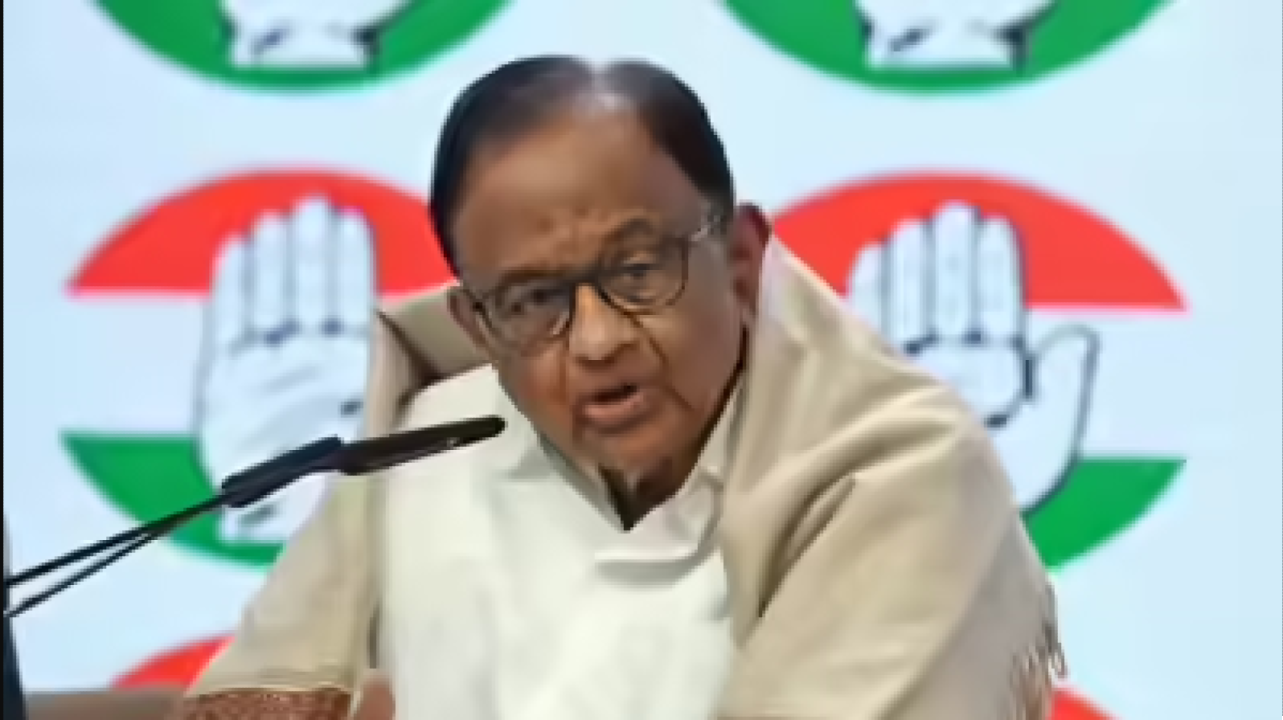
Senior Congress leader P. Chidambaram has raised a serious warning about the future of political representation in India. Speaking to reporters in Coimbatore, he expressed deep concerns over the proposed Delimitation Bill. He argued that redrawing parliamentary boundaries based on population will unfairly reduce the influence of South Indian states. This process could lead to a situation where the voices of millions of people in the South are weakened in the national parliament.
Main Impact
The primary impact of this development is a potential shift in political power within India. For decades, South Indian states like Tamil Nadu, Kerala, and Karnataka have worked hard to control population growth through education and healthcare. If the government increases the number of seats in parliament based on current population numbers, states with higher growth rates—mostly in the North—will gain more seats. This means South India could lose its ability to influence national laws and the way the central government spends money. It creates a feeling that these states are being punished for their success in social development.
Key Details
What Happened
P. Chidambaram held a press conference in Coimbatore to discuss the central government's recent moves. He specifically targeted the idea of a special session of parliament and the introduction of a new Delimitation Bill. He believes the timing and the intent behind these moves are meant to favor certain political interests while ignoring the regional balance of the country. He called on the public and other political parties to understand how this change could change the face of Indian democracy forever.
Important Numbers and Facts
The current number of seats in the Lok Sabha is based on the census from 1971. This was done to ensure that states that followed family planning programs did not lose their political weight. However, this freeze is set to end soon. Experts suggest that after the next census, the total number of seats in parliament could rise from 543 to over 800. Under this new system, states like Uttar Pradesh and Bihar could see a massive jump in their number of representatives, while Southern states would see very little change. This would create a huge gap in how much power each region holds.
Background and Context
Delimitation is a simple word for a complex process. It means redrawing the boundaries of areas that elect a member of parliament. Usually, this is done to make sure each member represents roughly the same number of people. However, in India, this has been a sensitive topic for a long time. In 1976, the government decided to stop changing the number of seats until the year 2001. This was later extended to 2026. The goal was to encourage states to control their population without fearing they would lose their voice in the government. Now that the deadline is approaching, the debate has returned. South Indian states contribute a large portion of the country's taxes and have high literacy rates, but they fear they will become less important in the eyes of the central government if their seat count does not keep up with the North.
Public or Industry Reaction
The reaction to Chidambaram’s statement has been strong across the political spectrum in South India. Many regional parties have shared similar fears. They argue that the "one person, one vote" rule is fair, but it should not lead to a situation where a few states can decide the fate of the entire country. Leaders from various parties have suggested that the government should find a different way to count seats. Some suggest using the 1971 population as a base forever, while others want a new formula that rewards states for economic and social progress. There is a growing sense of worry that this issue could create a divide between the North and the South.
What This Means Going Forward
The next few years will be critical for India’s federal structure. If the government moves forward with delimitation based strictly on population, it may face legal challenges and protests from Southern states. There is also a link between this process and the Women’s Reservation Bill, which says that seats for women will only be set aside after the delimitation process is finished. This adds more pressure to resolve the issue quickly. The government will need to talk to all states to find a middle ground. If they do not, the political tension could affect how the country is governed and how resources are shared between the center and the states.
Final Take
The debate over delimitation is not just about numbers; it is about fairness and the spirit of a united India. P. Chidambaram’s comments highlight a deep-seated fear that the current system might ignore the achievements of the South. For a healthy democracy, every region must feel that its voice is heard and its contributions are valued. Finding a balance between population size and regional performance will be the biggest challenge for India's leaders in the coming years.
Frequently Asked Questions
What is delimitation in simple terms?
Delimitation is the process of changing the boundaries of voting areas and the number of seats in parliament to match changes in the population.
Why is South India worried about this process?
South Indian states have controlled their population growth better than North Indian states. They fear that if seats are based on population, they will have fewer representatives and less power in the national government.
When will the new delimitation take place?
The current freeze on the number of seats lasts until 2026. The government is expected to start the process after the next national census is completed.



