Summary
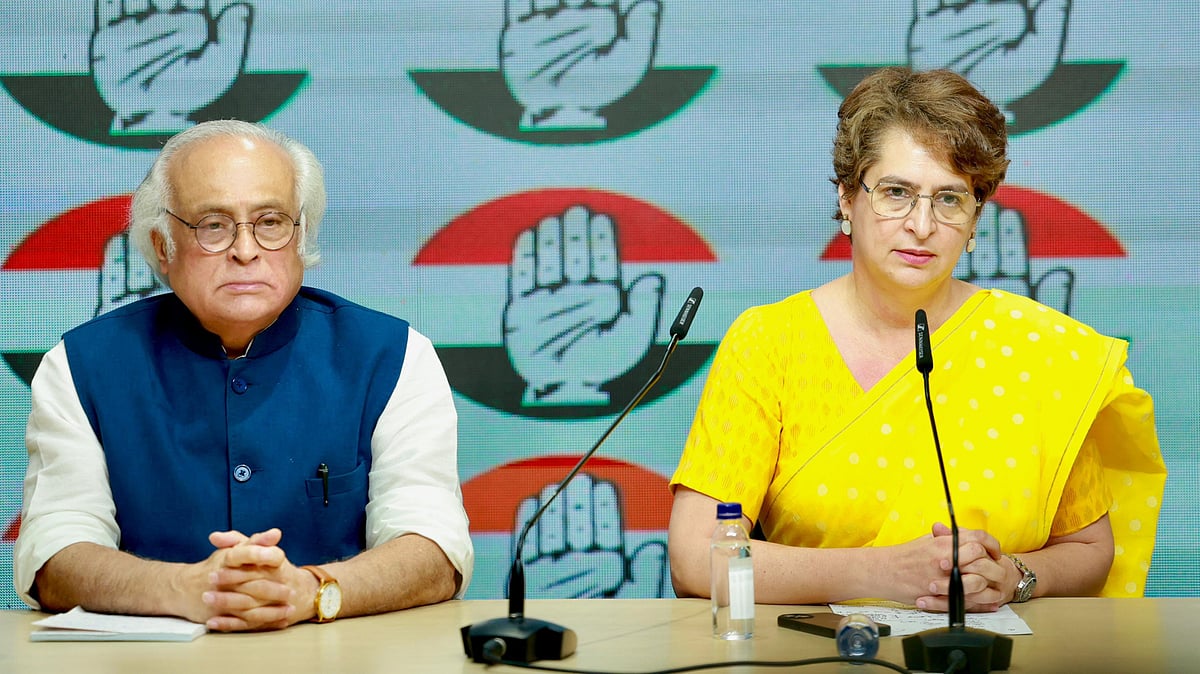
Wayanad MP Priyanka Gandhi Vadra has labeled the recent defeat of the Delimitation Bill in Parliament as a major victory for democracy and the opposition INDIA bloc. Speaking at a press conference, she called the event a "black day" for the ruling government, marking its first significant loss in the legislature. The bill failed to pass because it did not get the required support, leading to a heated debate over how women’s reservation should be handled in India.
Main Impact
The failure of this bill has stopped the government's plan to link women’s reservation to the redrawing of voting districts. This defeat is seen as a turning point for the opposition, showing they can successfully block major government plans. For the public, it means that the promised 33 percent reservation for women in Parliament and state assemblies is now delayed again, as the legal path forward is unclear.
Key Details
What Happened
The central government introduced a bill that would have started the process of delimitation. Delimitation is the act of redrawing the boundaries of parliamentary and assembly seats based on the latest population data. The government wanted to finish this process before giving women reserved seats. However, the bill did not get the two-thirds majority vote needed to pass. Following this, the government announced it would not move forward with other related bills for the time being.
Important Numbers and Facts
The vote in the Lok Sabha was a critical moment for the current administration. While 298 members voted in favor of the bill, 230 members voted against it. Under Indian law, certain constitutional changes require a two-thirds majority of the members present and voting. Because the government fell short of this high bar, the bill was defeated. This is the first time the current BJP-led government has faced such a setback on a major piece of legislation in Parliament.
Background and Context
To understand this issue, it is important to know what women’s reservation and delimitation are. In 2023, Parliament passed a law to set aside one-third of all seats for women. However, the government added a rule saying this would only happen after a new census is taken and seat boundaries are redrawn. This redrawing process is called delimitation.
The opposition parties, led by the Congress, argue that this is a delay tactic. They believe the government is using the census and delimitation as excuses to push the reservation many years into the future. Priyanka Gandhi and other leaders want the reservation to start immediately, using the current seat maps. They worry that redrawing boundaries could change the balance of power between different states, which is why they call it a threat to the federal structure of the country.
Public or Industry Reaction
The reaction to the bill's defeat has been split along party lines. Priyanka Gandhi stated that women are smart enough to see through political games and media hype. She urged the government to stop using women as a "political tool" and to implement the 2023 reservation law without any extra conditions. Rahul Gandhi, the Leader of the Opposition, added that the bill was an attempt to change the country's electoral map in a way that favors the ruling party.
On the other side, the government has reacted with anger. Union Home Minister Amit Shah accused the opposition of being against progress for women. He claimed that the Congress and its allies blocked a historic reform that would have empowered millions of women. Government officials warned that the opposition would face consequences from voters for stopping the bill.
What This Means Going Forward
The immediate future of women’s reservation is now in doubt. Since the government has decided not to proceed with the interlinked bills, the entire process is at a standstill. There are two likely paths forward. The government could try to negotiate with the opposition to find a middle ground, or it could wait until after the next general election to try again with a different strategy.
This event also strengthens the unity of the INDIA bloc. By successfully blocking a major government bill, the opposition has shown that it can act as a strong check on the government's power. This will likely lead to more intense debates in Parliament over other sensitive issues like the census and state rights.
Final Take
The defeat of the Delimitation Bill is more than just a lost vote; it is a sign of the growing tension between the government and the opposition. While both sides claim to support women's rights, they disagree deeply on how to achieve them. For now, the goal of seeing more women in Indian politics remains a promise rather than a reality, as political leaders continue to fight over the rules of the game.
Frequently Asked Questions
Why did the Delimitation Bill fail?
The bill failed because it did not receive the two-thirds majority vote required for constitutional changes in the Lok Sabha. While more people voted for it than against it, the number was not high enough to meet the legal requirement.
What is delimitation?
Delimitation is the process of fixing or redrawing the boundaries of territorial constituencies in a country to reflect changes in the population. It ensures that each seat represents a similar number of voters.
What does the opposition want for women's reservation?
The opposition wants the 33 percent reservation for women to be implemented immediately. They believe it should not be linked to the census or the redrawing of voting districts, which could take many years to complete.