Summary
The Delhi High Court has taken a very serious view of reports involving the illegal detention and physical abuse of social activists by the police. The court criticized the authorities for failing to follow standard legal procedures during recent arrests. This intervention comes after several activists claimed they were held without official records and faced violence while in custody. The court's firm stance highlights the need for police accountability and the protection of civil rights in the capital.
Main Impact
The primary impact of this court hearing is a direct warning to law enforcement agencies that they are not above the law. By questioning the police so publicly, the High Court has sent a message that human rights must be respected, even during investigations. This case could lead to stricter monitoring of police stations and may force the department to penalize officers who ignore legal protocols. For the public, it reinforces the idea that the judiciary acts as a shield against the misuse of power by the state.
Key Details
What Happened
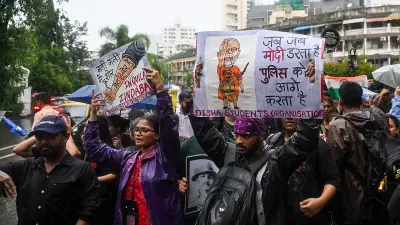
The case reached the court after a group of activists filed a petition alleging that they were picked up by the police without any formal explanation. According to the petitioners, they were kept in a police station for several hours without their families being informed. During this time, they claim they were subjected to threats and physical torture to force them to give statements. The Delhi High Court looked at these claims and found enough reason to demand an explanation from the police leadership.
Important Numbers and Facts
Under Indian law, any person who is arrested must be produced before a magistrate within 24 hours. The activists claim this rule was ignored. Furthermore, the court referred to the "DK Basu guidelines," which are a set of rules the police must follow during every arrest. These rules include preparing an arrest memo, allowing the person to meet a lawyer, and ensuring a medical check-up is done. The court noted that in this specific case, many of these steps were reportedly skipped. The judges have now asked for a detailed status report and have requested CCTV footage from the police stations involved to verify the claims of torture.
Background and Context
In a democracy, people have the right to protest and speak their minds. Activists often lead these movements to bring attention to social issues. However, there have been many reports over the years of police using force to stop these activities. Illegal detention happens when the police hold someone without a legal reason or without following the proper paperwork. Torture in custody is a major concern because it violates the basic right to life and dignity. The Delhi High Court has a history of stepping in when it feels that the police are using "strong-arm tactics" instead of following the law. This matters because if the police can ignore the law, then no citizen is truly safe from unfair treatment.
Public or Industry Reaction
Human rights groups have welcomed the court's comments, calling them a victory for justice. Many lawyers have pointed out that the police often use "informal detention" to scare people without leaving a paper trail. On the other side, some police officials have argued that they often work under high pressure and that these allegations are sometimes exaggerated to slow down investigations. However, the general public reaction has been one of concern, as the idea of police torture is a frightening prospect for any ordinary citizen. Social media has seen a rise in discussions about the need for body cameras on police officers to ensure transparency.
What This Means Going Forward
Moving forward, the Delhi Police will have to submit a clear report to the court explaining their actions. If the evidence shows that the activists were indeed tortured or held illegally, the officers involved could face suspension or criminal charges. This case might also lead to a new set of orders from the court regarding how activists are handled during protests. There is a strong possibility that the court will demand better training for officers on human rights. In the long term, this could lead to more transparency, such as making sure all areas of a police station are covered by working cameras that cannot be turned off.
Final Take
The law exists to protect everyone, including those who disagree with the government. When the police break the rules to enforce order, they actually damage the public's trust in the entire legal system. The Delhi High Court’s decision to challenge these actions is a vital step in making sure that "law and order" does not become an excuse for abuse. True safety in a city comes not just from catching criminals, but from ensuring that the police themselves follow the rules they are meant to uphold.
Frequently Asked Questions
What is illegal detention?
Illegal detention happens when the police or any authority holds a person in custody without a legal reason or without following the proper legal steps, such as recording the arrest or presenting the person to a judge.
What are the DK Basu guidelines?
These are specific rules created by the Supreme Court of India to prevent custodial torture. They require police to identify themselves, prepare an arrest memo, and allow the arrested person to inform a friend or relative about their location.
Can the police use force during questioning?
No, the law strictly prohibits the use of physical violence or torture to get information or confessions from a person in custody. Any evidence obtained through force is not valid in a court of law.