Summary
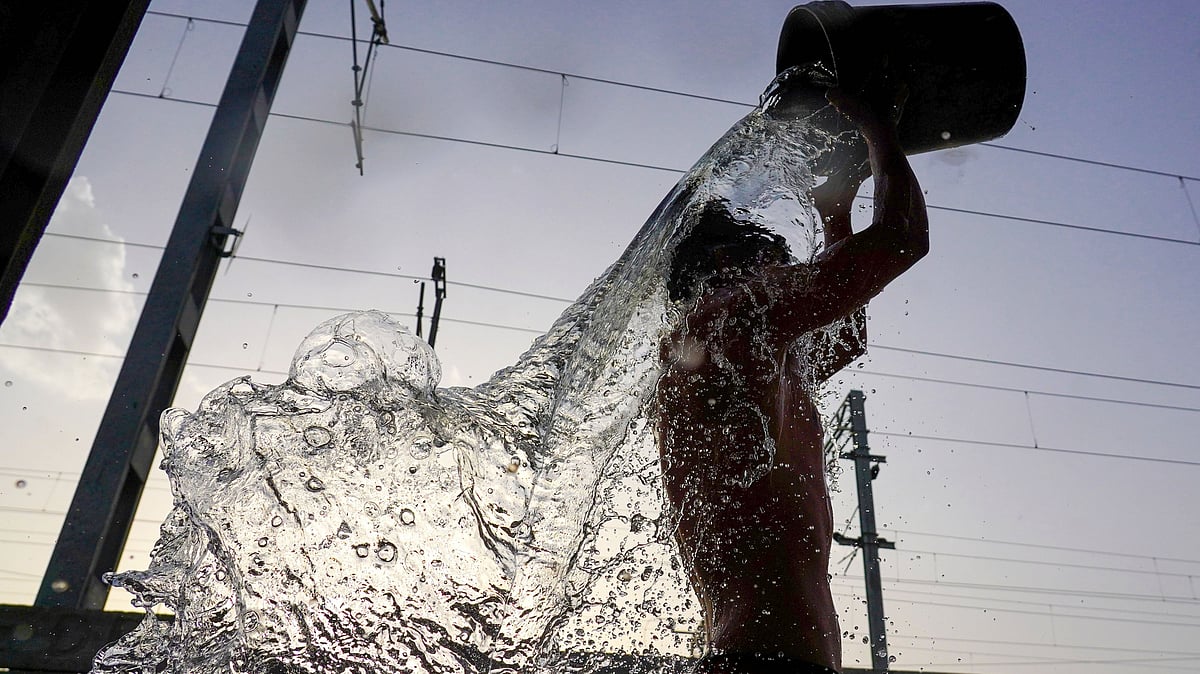
Delhi is facing a difficult weather situation as temperatures are expected to climb to 44°C today. Although the morning started with a cooler temperature of 26.2°C, weather experts warn that the heat will become intense by the afternoon. Along with the rising heat, the city is also struggling with "poor" air quality. This combination of high temperatures and pollution poses a health risk to residents, especially those who spend a lot of time outdoors.
Main Impact
The primary impact of this weather shift is the health risk to the general public. An "orange alert" has been issued for parts of the capital, which means people should be prepared for extreme heat. When temperatures reach 44°C, the body can struggle to cool itself down. This is made worse by the poor air quality, which can cause breathing problems. The dual threat of heat and pollution means that children, the elderly, and people with existing health conditions need to be extra careful today.
Key Details
What Happened
On Sunday morning, Delhi residents experienced a brief moment of relief. The minimum temperature was recorded at 26.2°C, which is actually about two degrees lower than what is normal for this time of year. However, this cooler start was misleading. The India Meteorological Department (IMD) reported that the sky would stay partly cloudy, but this will not stop the heat from rising quickly. By the evening, several areas in the city are expected to feel the full force of a heatwave.
Important Numbers and Facts
Several key figures highlight the severity of the current situation in the capital:
- Maximum Temperature: Forecast to hit 44°C.
- Minimum Temperature: Recorded at 26.2°C in the morning.
- Humidity: Stood at 43 per cent at 8:30 am, which makes the heat feel more oppressive.
- Air Quality Index (AQI): Measured at 223 at 9 am.
- AQI Category: Classified as "poor" according to the Central Pollution Control Board (CPCB).
Background and Context
Heatwaves are a common occurrence in Northern India during the months of April, May, and June. During this time, hot winds from the desert regions of Rajasthan blow across the plains, causing temperatures to spike. This year, the heat is arriving with significant strength. At the same time, Delhi often struggles with air pollution. While winter pollution is usually worse, the air quality can drop in the summer due to dust storms and lack of wind to clear out vehicle exhaust. When the AQI is between 201 and 300, it is labeled as "poor," meaning most people may feel discomfort if they stay outside for too long.
Public or Industry Reaction
The India Meteorological Department has issued specific advice to help people stay safe during these three days of intense heat. They recommend that everyone drinks plenty of water, even if they do not feel thirsty. Health experts suggest avoiding the sun between 12 PM and 4 PM, as this is when the sun's rays are the strongest and most dangerous. People are also encouraged to wear light-colored, loose cotton clothes and use umbrellas or hats when walking outside. There is a strong warning never to leave children or pets inside parked cars, as temperatures inside a vehicle can reach deadly levels in just a few minutes.
What This Means Going Forward
The current heatwave is expected to last for about three days across Northwest and Central India. After this period, weather models suggest there might be some relief, possibly through a change in wind patterns or light rain. However, until then, the risk of heatstroke and dehydration remains high. The city's power grid may also face pressure as more people turn on air conditioning to cope with the 44°C heat. Residents should monitor local weather updates and air quality reports daily to plan their activities safely.
Final Take
Delhi is currently caught between extreme summer heat and unhealthy air. While the morning offered a small break, the rest of the day requires caution. Staying hydrated and staying indoors during the hottest hours are the best ways to handle these challenging conditions. The expected relief in a few days provides some hope, but for now, safety must be the top priority for everyone in the region.
Frequently Asked Questions
What does an "orange alert" for heat mean?
An orange alert is a warning from the weather office that tells people to be prepared for extreme weather. It means the heat could cause health issues, and residents should take steps to protect themselves.
Why is the air quality poor in Delhi right now?
The Air Quality Index is at 223, which is "poor." This happens because of a mix of dust, vehicle smoke, and calm winds that trap pollutants near the ground, making the air harder to breathe.
How can I stay safe during a 44°C heatwave?
The best ways to stay safe are to drink lots of water, wear loose clothing, and stay out of the sun during the middle of the day. Using an umbrella and eating light meals can also help your body manage the heat.