
Summary
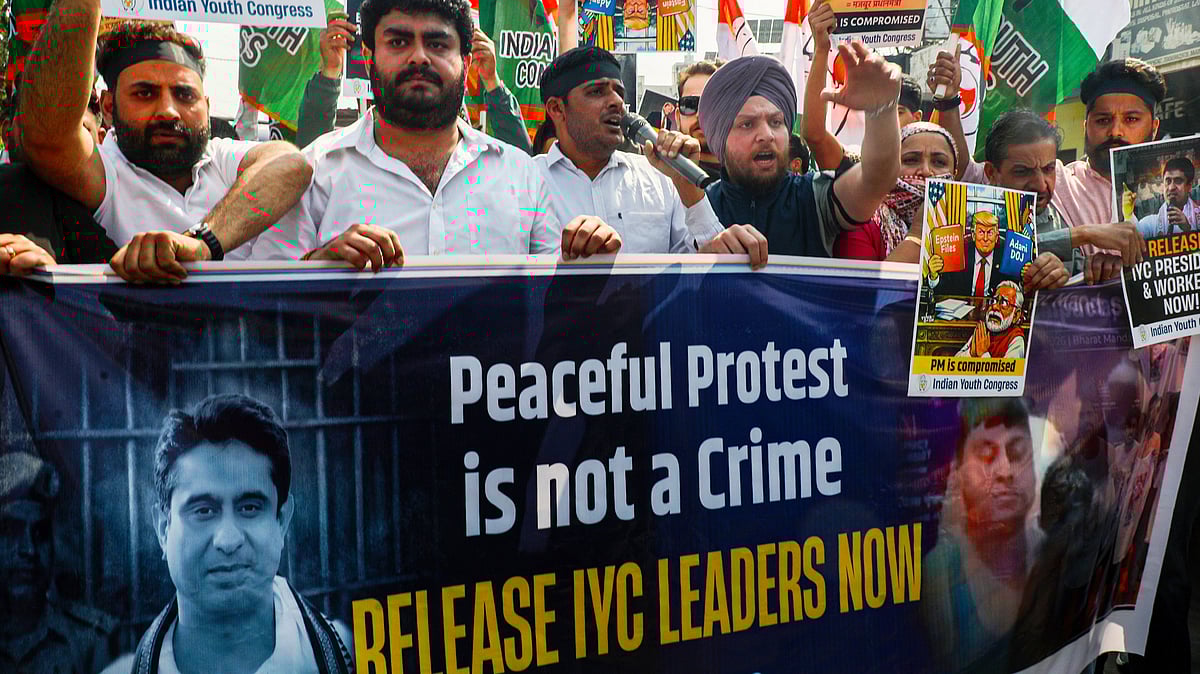
A court in Delhi has granted bail to nine members of the Indian Youth Congress who were arrested during a protest at a major AI summit. The workers were taken into custody after staging a shirtless demonstration where they displayed slogans against the government and international trade deals. The judge ruled that the protest was a form of political expression and that keeping the workers in jail before their trial would be an unfair punishment. This decision highlights the importance of personal freedom and the right to criticize the government in a democracy.
Main Impact
The court's decision to grant bail is a significant moment for the right to peaceful protest in India. By labeling the demonstration as a "symbolic political critique," the court protected the idea that citizens can express their disagreement with leaders during public events. The ruling prevents the police from using long-term detention as a way to punish protesters before they are even found guilty of a crime. This ensures that the legal system focuses on justice rather than stopping political speech.
Key Details
What Happened
On February 20, nine activists from the Indian Youth Congress entered the venue where an international AI summit was being held. To get their message across, they held a "shirtless" protest. They carried white T-shirts that featured the faces of Prime Minister Narendra Modi and former US President Donald Trump. The protesters shouted slogans and held signs that criticized the trade relationship between India and the United States. Police quickly moved in to stop the demonstration, leading to a brief struggle and the eventual arrest of the group.
Important Numbers and Facts
The nine individuals granted bail are Krishna Hari, Narshimha Yadav, Kundan Kumar Yadav, Ajay Kumar Singh, Jitendra Singh Yadav, Raja Gurjar, Ajay Kumar Vimal (also known as Bantu), Saurabh Singh, and Arbaz Khan. During the hearing, Judicial Magistrate First Class Ravi noted several key facts about the event:
- The protest involved T-shirts with leadership images and slogans that did not incite violence.
- There was no evidence that any property was damaged during the event.
- The delegates attending the summit did not show signs of panic.
- The protesters left the area in an orderly way while being escorted by security.
- The slogans used included "India-US Trade Deal," "Epstein Files," and "PM is compromised."
Background and Context
The AI summit was a high-profile event meant to discuss the future of technology, but it also became a stage for political debate. The Indian Youth Congress used the global spotlight to voice their concerns about how the government handles international business deals. In simple terms, they believe that certain agreements with the United States are not in the best interest of India. In any democracy, people often use large public gatherings to make sure their voices are heard by both their leaders and the international media. However, these actions often lead to tension between the police, who want to keep order, and activists, who want to exercise their right to speak out.
Public or Industry Reaction
The Delhi Police were strongly against the bail request. They argued that the protesters went beyond peaceful expression. According to the police, the group attacked security staff and caused injuries to officers on duty. They presented medical evidence to support these claims and argued that the right to protest is not absolute. The police felt that the group’s actions were a threat to public order, especially since international guests were present. On the other hand, the court viewed the situation differently. The judge explained that the law should always favor liberty. He stated that keeping people in jail should be a rare exception, not the standard way to handle protesters.
What This Means Going Forward
This ruling sets a clear example for how courts might handle similar protests in the future. It suggests that as long as a demonstration is symbolic and does not cause major harm or property damage, the participants should not face long periods of jail time before their trial. For the Indian Youth Congress, this is a legal victory that allows their members to return home while the case continues. For the police, it means they will need to provide very strong evidence of danger or ongoing investigative needs if they want to keep protesters behind bars in the future. The case will now move toward a trial where the specific claims of injury to police officers will be examined more closely.
Final Take
The court’s ruling serves as a reminder that the legal system is designed to protect individual rights. By choosing liberty over incarceration, the judge emphasized that political criticism is a healthy part of society. While the police have a duty to maintain order, the court made it clear that the law cannot be used to silence people just because their protest is loud or uncomfortable for those in power.
Frequently Asked Questions
Why were the nine Youth Congress workers arrested?
They were arrested for holding a shirtless protest at an AI summit. The police accused them of shouting slogans against the government, disrupting an international event, and scuffling with security personnel.
What was the court's main reason for granting bail?
The court stated that the protest was a symbolic political critique and that there was no evidence of property damage or widespread panic. The judge also said that keeping them in jail before a trial would be like punishing them before they were convicted.
What slogans were used during the protest?
The protesters used slogans such as "India-US Trade Deal," "Epstein Files," and "PM is compromised" to express their disagreement with the government's policies and leadership.

