
Summary
Scientists are discovering that many trees across the world are rotting from the inside due to hidden fungi. While these trees may look healthy and green on the outside, their internal structures are being destroyed. This trend is a major warning sign of how climate change is putting stress on nature. As temperatures rise, trees become weaker, allowing common fungi to turn into deadly threats that can kill a forest from within.
Main Impact
The primary impact of this internal rotting is the sudden and unexpected collapse of large trees. This creates a serious safety risk for people in parks and forests. More importantly, it hurts the environment because trees are vital for cleaning the air. When a tree rots, it can no longer store carbon dioxide. Instead, as it decays, it releases that stored carbon back into the air, which can actually make global warming worse. This creates a cycle where a warming planet kills trees, and dying trees speed up the warming.
Key Details
What Happened
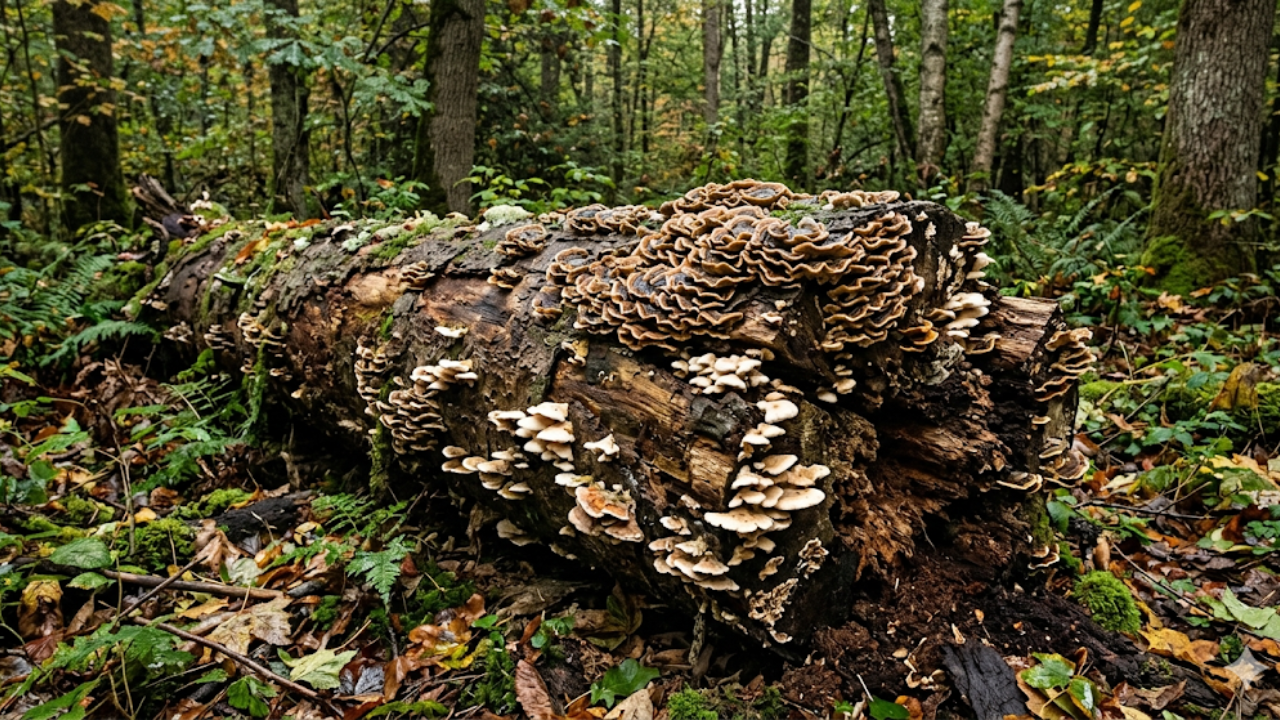
Researchers have found that certain types of fungi live inside trees for years without causing any harm. These are often called "endophytes." Under normal weather conditions, the tree and the fungi live together peacefully. However, when the weather becomes too hot or there is not enough rain, the tree becomes stressed. This stress weakens the tree's natural defenses. The fungi then change their behavior and begin to eat the wood of the tree to survive. This process happens silently and is often invisible to the naked eye until the damage is already done.
Important Numbers and Facts
Recent studies show that in some forest areas, up to 30% of trees that appear healthy are actually suffering from some level of internal decay. In the past decade, the number of "sudden tree failures"—where a tree falls without a storm or high winds—has increased by nearly 20% in certain regions. Experts note that even a small increase in average yearly temperatures, as little as 1 or 2 degrees, is enough to trigger these fungi to start attacking their hosts. This problem is not limited to one country; it is being reported in North America, Europe, and parts of Asia.
Background and Context
To understand why this is happening, we have to look at how trees stay healthy. A healthy tree uses its energy to grow leaves and protect itself from pests. Fungi are everywhere in nature, and most of the time, they help break down dead leaves or help roots find water. But the relationship between trees and fungi is a delicate balance. Climate change is throwing this balance off. Longer summers and shorter, warmer winters mean that trees never get a chance to fully recover from the heat. This constant state of stress makes them easy targets for fungi that would otherwise be harmless.
Public or Industry Reaction
Forestry experts and city planners are becoming very concerned about this "hidden" rot. In many cities, workers are now using special tools like ultrasound or thermal imaging to check the inside of old trees. They can no longer trust that a tree is safe just because its leaves are green. Environmental groups are also using this news to push for stronger climate action. They argue that if we do not slow down global warming, we could lose millions of trees that we rely on for shade, oxygen, and wildlife habitats. Some timber companies are also worried, as rotting wood cannot be used for building homes or making paper, which could lead to higher costs for wood products.
What This Means Going Forward
In the future, we will likely see changes in how forests are managed. Scientists suggest planting a wider variety of tree species together. When a forest has only one type of tree, a single type of fungus can spread very quickly and kill everything. A diverse forest is more resilient. We also need to develop better ways to monitor tree health from space using satellites. This could help experts spot areas where trees are struggling before the rot spreads too far. For the average person, it means being more careful around large trees during heatwaves or after long droughts, as these are the times when a weakened tree is most likely to fail.
Final Take
The sight of a falling tree is usually blamed on a strong wind or a lightning strike. However, we now know that the real cause often starts years earlier, deep inside the trunk. This internal decay is a quiet but powerful reminder that climate change affects the world in ways we cannot always see. Protecting our forests will require more than just planting new seeds; it will require us to address the rising temperatures that are making the world's oldest plants vulnerable from the inside out.
Frequently Asked Questions
Can you tell if a tree is rotting just by looking at it?
It is very difficult to tell. Often, the leaves remain green and the bark looks normal. Only specialized tools that look inside the trunk can confirm if a tree is rotting internally before it falls.
Why does climate change make fungi more dangerous?
Climate change causes heat and drought, which weakens a tree's immune system. When a tree is weak, fungi that usually live peacefully inside the wood start to grow aggressively and eat the tree for nutrients.
What happens to the carbon when a tree rots?
Trees store carbon dioxide as they grow. When they rot or die, that carbon is released back into the atmosphere. This can make the greenhouse effect stronger and lead to even more warming.

