Summary
Dalit women in Uttar Pradesh are taking a much larger role in the Ambedkarite movement. During the recent celebrations for B.R. Ambedkar’s birth anniversary, women led many events that were not connected to any political party. This change shows that the movement for social justice is becoming more community-driven rather than just being about elections. By leading these programs, women are showing their power and making sure their voices are heard in the fight for equality.
Main Impact
The most significant impact of this shift is the decentralization of leadership within the Dalit community. For a long time, political parties and male leaders held most of the influence. Now, women at the local level are organizing their own groups and events. This makes the movement more resilient because it does not depend on a single political leader or party. It also brings focus to issues that specifically affect women, such as safety, local education, and healthcare, which are often ignored in big political speeches.
Key Details
What Happened
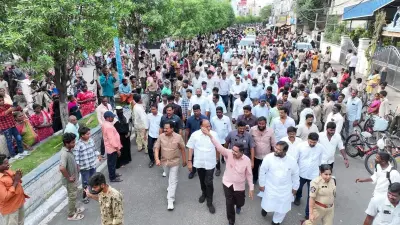
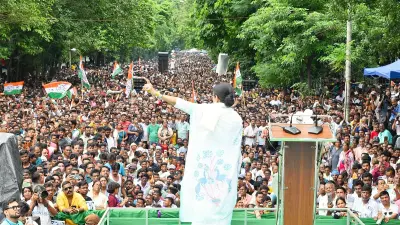
On April 14, the birth anniversary of Dr. B.R. Ambedkar, thousands of people across Uttar Pradesh gathered to honor his legacy. While political rallies are common on this day, this year saw a surge in "non-aligned" programs. These are events organized by local residents, social workers, and community groups rather than political candidates. In many towns and villages, Dalit women were the ones standing on stages, giving speeches, and leading marches. They managed everything from the funding of the events to the topics of discussion.
Important Numbers and Facts
Uttar Pradesh has one of the largest Dalit populations in India, making it a central place for social justice movements. In recent years, the number of independent women-led social groups has grown significantly. During the anniversary events, observers noted that women made up more than half of the participants in several districts. These women are often part of small self-help groups or local education circles. They use these platforms to teach others about their legal rights and the importance of voting based on community needs rather than party loyalty.
Background and Context
Dr. B.R. Ambedkar was a famous lawyer and social reformer who fought against the caste system in India. He is known as the father of the Indian Constitution. His message was simple: "Educate, Agitate, Organize." For decades, the Dalit movement in Uttar Pradesh was closely tied to the Bahujan Samaj Party (BSP). However, as political fortunes change, many people in the community feel that social progress should not stop just because a party is not in power. This has led to a new wave of activism that is social rather than political. Women have stepped into this space because they are often the ones managing the daily struggles of their families and communities.
Public or Industry Reaction
Social experts and community leaders have praised this new trend. They believe that when women lead, the movement becomes more about long-term change and less about immediate political gains. Local residents have expressed a sense of pride in seeing women from their own neighborhoods take charge. Some political analysts suggest that this shift might force political parties to change how they talk to Dalit voters. Instead of just making big promises, parties may now have to answer to organized groups of women who understand their rights and are demanding real results in their villages.
What This Means Going Forward
The rise of independent women leaders suggests that the Ambedkarite movement is entering a new phase. In the future, we can expect to see more grassroots organizations focusing on literacy and legal aid. This could also lead to more Dalit women running for local government positions, such as village heads. The risk is that political parties might try to take over these independent groups for their own benefit. However, the current trend shows that these women are very aware of their independence and are committed to keeping their social work separate from party politics.
Final Take
The leadership of Dalit women in Uttar Pradesh is a sign of a maturing social movement. By moving away from political dependence and focusing on community strength, these women are ensuring that the fight for dignity and equality continues every day, not just during election season. Their active role in celebrating Ambedkar’s legacy proves that the movement is alive, growing, and becoming more inclusive than ever before.
Frequently Asked Questions
Why is it important that these events are "non-aligned"?
Being non-aligned means the events are not controlled by political parties. This allows the community to focus on social issues and personal growth without being used for election campaigns.
What role do women play in these movements?
Women are now acting as organizers, speakers, and educators. They lead local groups that focus on teaching rights, improving education, and supporting each other in daily life.
How does this change the Ambedkarite movement?
It makes the movement stronger at the local level. Instead of waiting for a big leader to give directions, people are taking action in their own communities to solve problems and demand equality.