
Summary
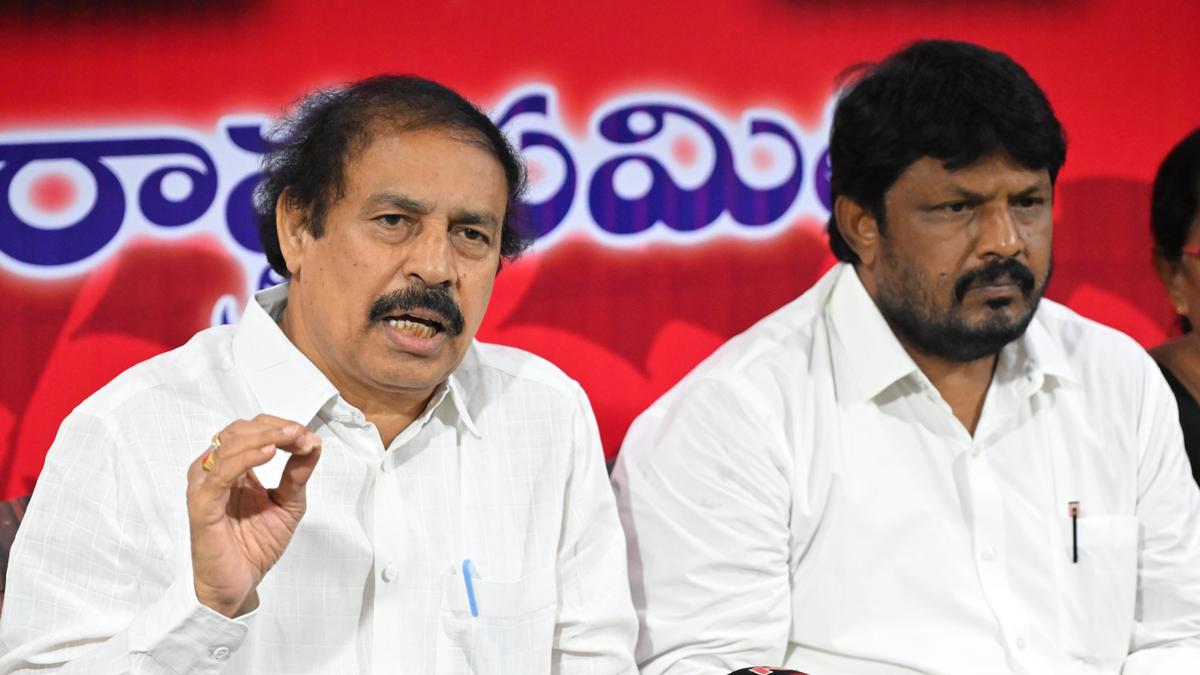
The Communist Party of India (CPI) is calling for the immediate cancellation of solar power purchase agreements in Andhra Pradesh. These deals were made through the Solar Energy Corporation of India (SECI) and have come under heavy fire from political leaders. CPI National Secretary Ramakrishna stated that these contracts place an unfair financial burden on the public. The party argues that the high costs associated with these agreements will lead to much higher electricity bills for regular families and businesses across the state.
Main Impact
The biggest concern regarding these solar deals is the long-term cost to the average citizen. When a state signs a power purchase agreement at a high price, that cost is eventually passed down to the people who pay monthly utility bills. If these agreements are not changed or canceled, millions of residents in Andhra Pradesh could face rising energy costs for decades. This financial pressure could hurt the state’s economy by reducing the spending power of families and increasing the operating costs for local industries.
Key Details
What Happened
CPI leader Ramakrishna has formally demanded that the state government stop the current solar power arrangements. He pointed out that the agreements made via SECI do not favor the interests of the local people. According to the CPI, the state government should have looked for more affordable ways to bring renewable energy to the region. Instead, they are now tied to contracts that seem to ignore the falling prices of solar technology in the global market.
Important Numbers and Facts
Power purchase agreements are usually long-term commitments that can last for 20 to 25 years. In this case, the deals involve large amounts of electricity meant to supply the entire state. The CPI claims that the rates set in these contracts are much higher than what is currently available in the open market. By locking in these high rates now, the state is missing out on the benefits of cheaper green energy that has become available as technology improves.
Background and Context
Solar energy is a key part of India's plan to reduce pollution and move away from coal. The Solar Energy Corporation of India (SECI) acts as a middleman between the companies that build solar farms and the state governments that need electricity. While this system is meant to make it easier to buy green power, it can sometimes lead to problems if the prices are not negotiated well. In Andhra Pradesh, the power sector has already been struggling with debt and unpaid bills. Adding expensive new contracts makes an already difficult financial situation even worse for the state’s power distribution companies.
Public or Industry Reaction
The demand from the CPI has sparked a wider conversation about how energy deals are made in the state. Many consumer rights groups agree that the public should not have to pay for poorly planned government contracts. They argue that transparency is needed to show why these specific prices were accepted. On the other side, some industry experts worry that canceling contracts could make investors nervous about doing business in Andhra Pradesh. However, the CPI maintains that the primary duty of the government is to protect its citizens from unnecessary price hikes, rather than protecting the profits of energy companies.
What This Means Going Forward
The state government now faces a difficult choice. If they listen to the CPI and cancel the deals, they may face legal challenges from the central government or the private companies involved in the projects. However, if they continue with the current agreements, they risk angering voters who will see their electricity bills go up. In the coming months, we may see more protests or even court cases as different groups fight over the future of energy pricing in the state. The government will likely need to find a middle ground that keeps the lights on without draining the bank accounts of its residents.
Final Take
Providing clean energy is a great goal, but it should not come at a price that the average person cannot afford. The demand to cancel these solar agreements highlights a major flaw in how long-term energy plans are created. For Andhra Pradesh to thrive, it needs a power policy that balances environmental needs with the financial reality of its people. Ensuring that electricity remains affordable is essential for the growth of the state and the well-being of everyone who lives there.
Frequently Asked Questions
Why does the CPI want to cancel the solar deals?
The CPI believes the current agreements are too expensive and will cause electricity bills for regular people to rise significantly over the next several years.
What is the role of SECI in these agreements?
The Solar Energy Corporation of India (SECI) is a central government agency that helps state governments buy solar power from private developers by acting as an intermediary.
How will this affect regular electricity users?
If the high-priced deals stay in place, the extra costs will likely be added to the monthly power bills of homes, farms, and businesses throughout Andhra Pradesh.

