
Summary
The Indian National Congress party has publicly questioned the Indian government’s silence regarding the death of Iran’s Supreme Leader, Ali Khamenei. The opposition party claims that Prime Minister Narendra Modi is avoiding the topic to keep a good relationship with the United States and Israel. This criticism comes after reports that Khamenei was killed in a military action involving those two countries in late February. The Congress party is now calling for a full discussion in Parliament to address how these events in the Middle East might affect India’s safety and economy.
Main Impact
This political dispute highlights a difficult moment for India’s foreign policy. While the government usually tries to stay neutral in global conflicts, the opposition argues that this silence is a sign of weakness or bias. By not officially acknowledging the death of a major world leader, India risks changing its long-standing relationship with Iran. This is especially important because Iran is a member of BRICS, a group of powerful developing nations that India is currently leading as president. The situation shows the pressure the government faces to balance its ties with Western powers like the U.S. and its regional partners in the Middle East.
Key Details
What Happened
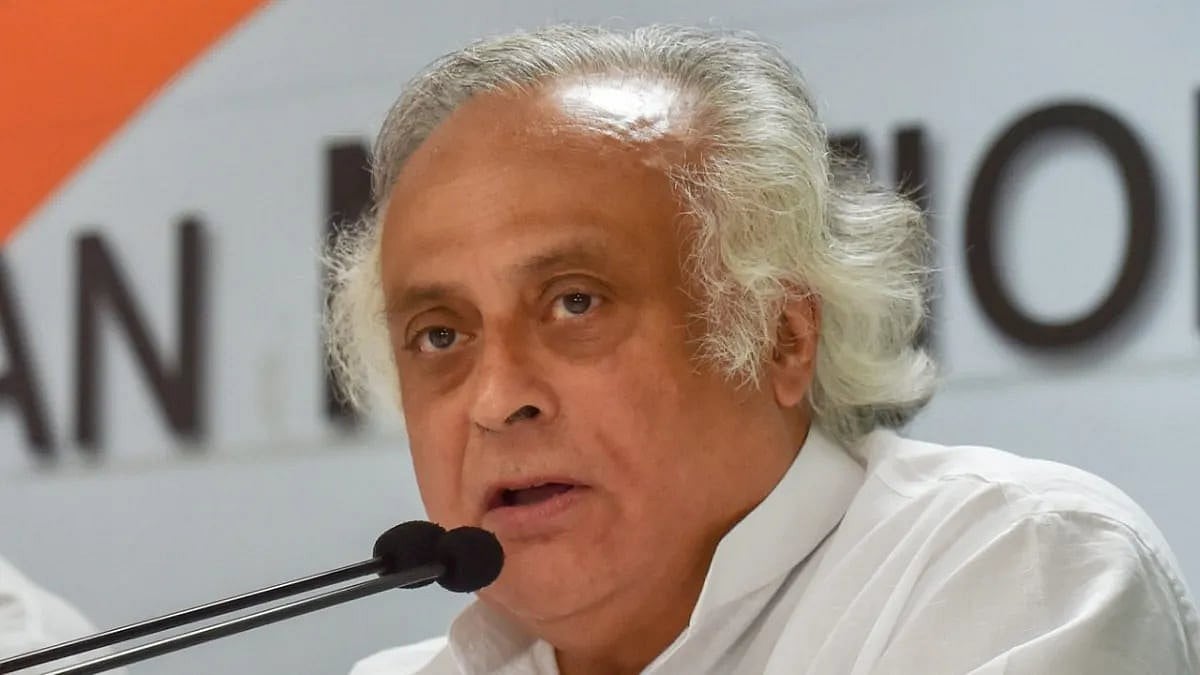
On February 28, 2026, Iran’s Supreme Leader, Ali Khamenei, was killed. Reports suggest this was the result of military strikes by the United States and Israel. Following this event, the Indian government did not release an official statement of grief or condemnation. Jairam Ramesh, a senior leader in the Congress party, pointed out that the Prime Minister and the External Affairs Minister have remained quiet. He also noted that Parliament has not held a traditional moment of silence or an "obituary reference" to mark the leader's passing, which is common practice for major international figures.
Important Numbers and Facts
The timeline and data surrounding this event are critical for understanding the scale of the crisis. Khamenei was killed on February 28, 2026. Since the conflict in the region began to worsen, the Indian government has helped evacuate around 67,000 Indian citizens who were stuck in the middle of the fighting. Additionally, the Congress party compared this situation to May 2024, when the former Iranian President, Ebrahim Raisi, died in a helicopter crash. At that time, India declared a full day of national mourning and recorded his death in Parliament. The difference in how the government handled these two deaths is a major point of the current political argument.
Background and Context
To understand why this matters, one must look at India’s role in the world. India tries to be friends with many different countries, even those that do not like each other. For example, India buys oil from the Middle East and has many citizens working there. At the same time, India has grown very close to the United States and Israel for trade and defense technology. When the U.S. and Israel take military action against Iran, India finds itself in a tough spot. If the government speaks out against the killing, it might upset its Western allies. If it stays silent, it might upset Iran and other countries in the BRICS group. This "balancing act" is a core part of India's strategy, but the opposition believes the government has gone too far in favoring the U.S. and Israel this time.
Public or Industry Reaction
The reaction within the Indian Parliament has been tense. Members of the Congress party and other opposition groups staged a walkout in the Rajya Sabha (the upper house) to show they were unhappy. They also protested in the Lok Sabha (the lower house). They feel that the statement given by External Affairs Minister S. Jaishankar did not provide enough information. On the other hand, the government defended its actions. Minister Jaishankar stated that India’s main goal is to protect its own people and its national interests, such as energy security. He also mentioned that India recently allowed an Iranian ship to dock at an Indian port for humanitarian reasons, showing that India still helps Iran in non-military ways.
What This Means Going Forward
The ongoing silence from the Prime Minister’s office could lead to several outcomes. First, it may create tension within the BRICS group, where Iran is a key member. Since India is the current president of this group, any friction could make it harder to lead. Second, the safety of Indian workers in the Middle East remains a huge concern. If the conflict grows, more evacuations might be needed, which is expensive and difficult. Finally, India’s energy security is at risk. Much of India’s fuel comes from this region, and any major war could cause oil prices to rise sharply. The government will likely continue to focus on "sovereignty"—the idea that every country has the right to rule itself—without taking a side that could damage its global partnerships.
Final Take
The debate over the government's silence shows how hard it is to stay neutral in a world where major powers are at war. While the opposition demands more transparency and a clear moral stand, the government is focusing on the practical safety of its citizens and the stability of its economy. This situation will test India’s ability to lead on the world stage while keeping its most important friendships intact.
Frequently Asked Questions
Why is the Congress party criticizing the government?
The Congress party believes the government is being too quiet about the killing of Iran's leader to avoid upsetting the U.S. and Israel. They want a full debate in Parliament about how this conflict affects India.
How has the Indian government responded so far?
The government says its main priority is the safety of Indian citizens and protecting trade. They have already evacuated 67,000 people from the conflict zone and say they are watching the situation closely.
What is the significance of Iran being in BRICS?
BRICS is a group of countries that work together on trade and politics. Since India is currently the leader of this group and Iran is a member, the death of Iran's leader is a sensitive diplomatic issue for India to handle.

