
Summary
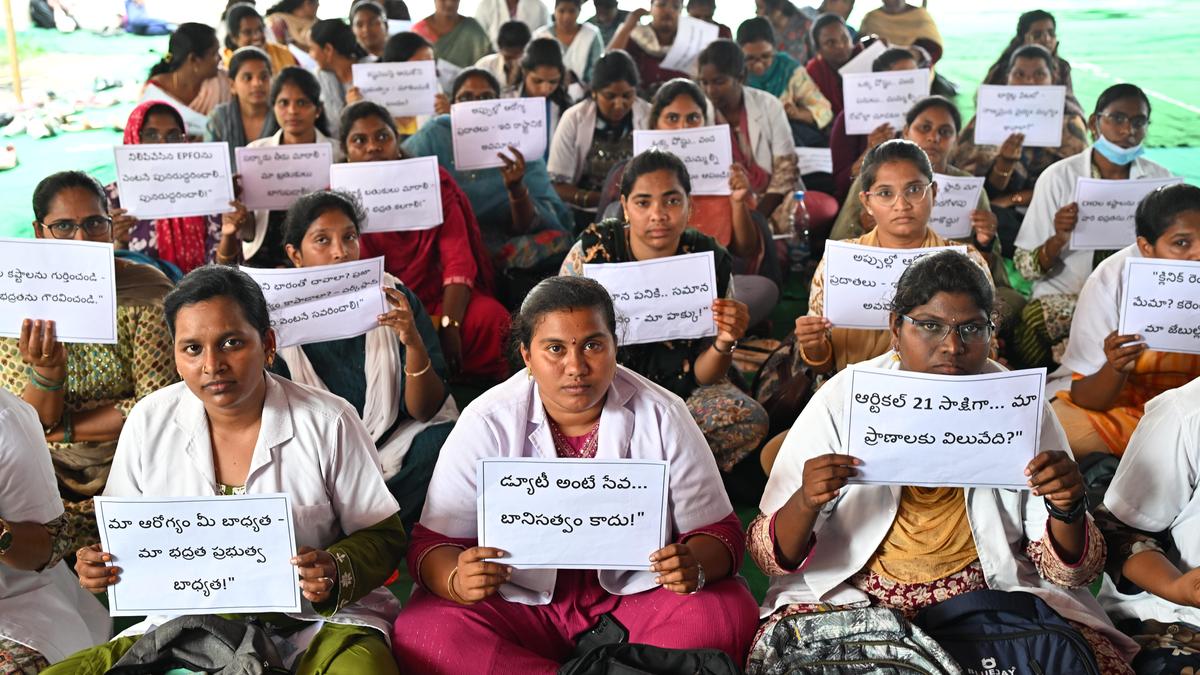
Community Health Officers (CHOs) are currently protesting across several regions to demand a reduction in their daily workload and better financial incentives. These healthcare workers claim that their job responsibilities have grown significantly over the past year without any increase in pay. Instead of being rewarded for their extra efforts, many officers report that the small bonuses they used to receive are being cut or removed entirely. This situation has led to widespread frustration among the staff who provide essential medical services to local neighborhoods.
Main Impact
The primary impact of this protest is a potential disruption in local healthcare services. CHOs are the first point of contact for many people, especially in rural areas where large hospitals are far away. When these workers are unhappy or on strike, it becomes much harder for citizens to get basic medical help, vaccinations, and health check-ups. The morale of the healthcare workforce is at an all-time low, which could lead to many experienced officers leaving their jobs for other industries. This would leave a massive gap in the public health system that would be very difficult to fill.
Key Details
What Happened
The protests began after a series of new policy changes were introduced by health departments. These changes required Community Health Officers to take on more administrative work, such as digital data entry and long-form reporting, on top of their usual patient care duties. While the officers expected to be paid more for this extra work, they found that their paychecks remained the same. Even worse, many discovered that the performance-based incentives they relied on to pay their bills were being reduced. The workers feel that they are being treated unfairly by a system that expects more work for less money.
Important Numbers and Facts
Reports from the protest groups show that many officers are now working between 10 and 12 hours every day to keep up with their tasks. In the past, these workers could earn extra money by meeting specific health targets, such as completing a certain number of child immunizations or maternal health visits. However, new rules have made it much harder to qualify for these bonuses. Some workers have reported a loss of nearly 20% of their expected monthly income because of these changes. The protesters are now calling for a fixed salary that does not depend on complicated bonus systems, along with a strict eight-hour workday.
Background and Context
The role of the Community Health Officer was created to help bridge the gap between big city hospitals and small village clinics. These officers are trained to handle common illnesses, manage chronic conditions like diabetes, and provide emergency first aid. They are vital because they live and work close to the people they serve. For many families, the CHO is the only medical professional they see on a regular basis. Over the years, the government has added more and more tasks to this role, including tracking disease outbreaks and managing government health insurance paperwork. While the role has become more complex, the support system for the workers has not kept up with these changes.
Public or Industry Reaction
Health unions have come out in strong support of the CHOs, stating that the current workload is not sustainable. They argue that burnout is a serious risk and that tired workers are more likely to make mistakes when treating patients. On the other side, some government health officials have stated that the budget is tight and that the new reporting requirements are necessary to track how public money is being spent. However, many members of the public are siding with the health officers. Patients who rely on these clinics understand how hard the officers work and are worried that their local health centers might close if the workers' demands are not met.
What This Means Going Forward
If the government does not take action soon, the protests are likely to spread to more regions. This could result in a total shutdown of primary health centers, which would be a disaster for public health. The next step will likely involve negotiations between worker representatives and health department leaders. To solve the problem, the government may need to hire more staff to handle the paperwork so that the officers can focus on treating patients. There is also a clear need to simplify the pay structure so that workers know exactly how much they will earn each month without having to worry about losing their incentives.
Final Take
The current struggle of Community Health Officers shows a deep problem in how we value frontline workers. It is not enough to call these people heroes; they must be paid fairly and given a manageable amount of work. A health system that ignores the well-being of its own staff will eventually fail the patients it is supposed to protect. Fixing this issue is not just about money; it is about making sure that local healthcare remains strong and reliable for everyone.
Frequently Asked Questions
Why are Community Health Officers protesting?
They are protesting because their workload has increased significantly, but their pay has not. They are also angry that their existing financial incentives are being cut or removed.
How does this affect the general public?
If the protests continue, local health clinics may close or have fewer staff available. This makes it harder for people to get basic medical care, prescriptions, and vaccinations.
What are the main demands of the workers?
The workers want a reduction in their daily working hours, a fair and fixed salary, and the return of the incentives they were previously promised for their hard work.

