
Summary
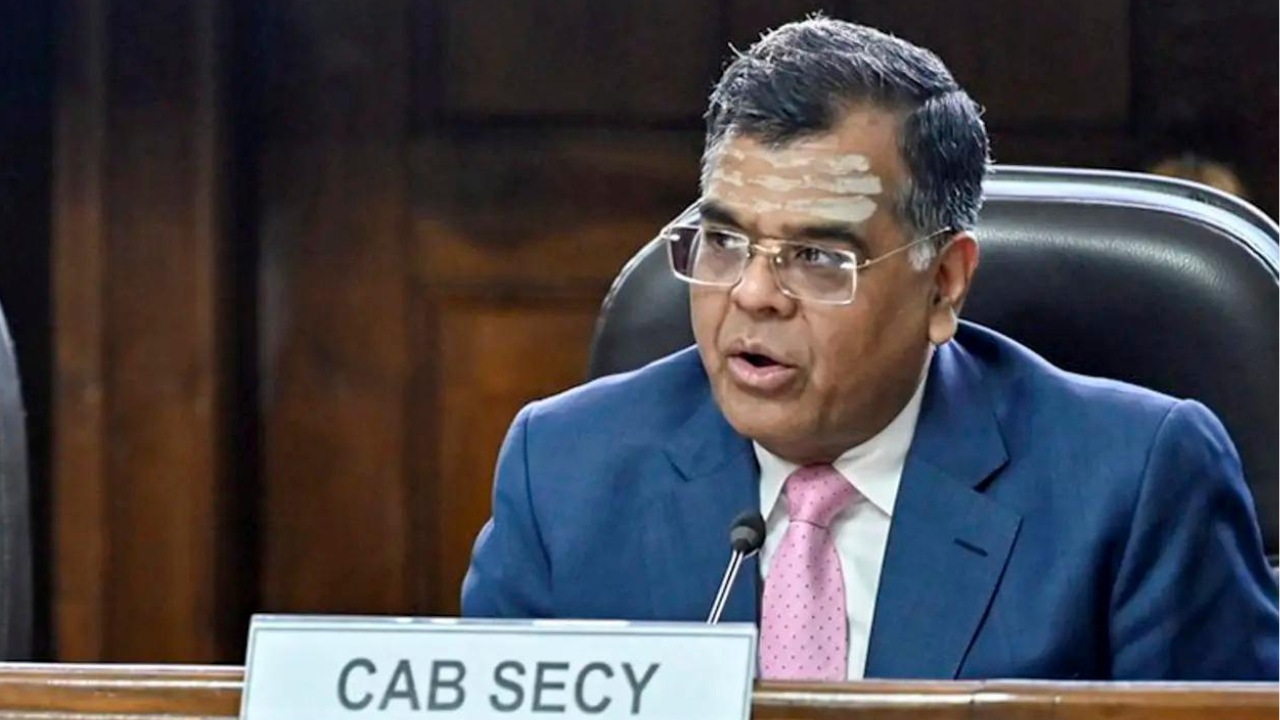
Cabinet Secretary T.V. Somanathan recently addressed government officials, urging them to maintain the highest standards of integrity. Speaking on Civil Services Day, he reminded officers that they must remain brave and neutral in their work. By invoking the legacy of Sardar Vallabhbhai Patel, he highlighted that the civil service is the backbone of the nation. This message comes at a vital time when the role of government workers is evolving to meet new public demands.
Main Impact
The primary impact of this address is a call for a stronger, more independent bureaucracy. When civil servants are neutral, they ensure that government programs reach people fairly, regardless of political changes. Somanathan’s words serve as a guide for thousands of officers across India. It reinforces the idea that their first duty is to the Constitution and the law, rather than to any specific political group or person. This helps build public trust in how the country is run.
Key Details
What Happened
During a special event to celebrate Civil Services Day, T.V. Somanathan spoke to a large gathering of officers. He focused on the historical vision of Sardar Vallabhbhai Patel, who was India’s first Home Minister. Patel is famous for creating the modern civil service system in India. Somanathan explained that for the country to grow, its officers must be able to give honest advice to their political leaders. He warned against the habit of simply saying "yes" to every suggestion, noting that true service requires the courage to point out potential problems in a plan.
Important Numbers and Facts
Civil Services Day is celebrated every year on April 21. This date was chosen because it marks the day in 1947 when Sardar Patel addressed the first batch of administrative officers at Metcalf House in Delhi. In that famous speech, Patel referred to the civil service as the "steel frame of India." Today, there are thousands of officers in the Indian Administrative Service (IAS), Indian Police Service (IPS), and other central services who look to these principles as their professional foundation.
Background and Context
To understand why this speech matters, one must look at how India is governed. The country has a system where elected politicians make the big decisions, but permanent civil servants carry them out. This creates a balance. Politicians bring the will of the people, while civil servants bring expertise and long-term stability. Sardar Patel wanted a system where officers would not be fired or punished just for giving an honest opinion that a leader might not like. He believed that without a professional and protected civil service, the country would struggle to stay united and organized.
Public or Industry Reaction
Many retired officers and experts in government have welcomed these comments. There has been a long-running discussion in India about whether the civil service is becoming too close to political parties. Experts say that when officers become political, the quality of public service drops. By reminding the current generation of Patel’s vision, Somanathan has sparked a conversation about returning to core values. Younger officers, in particular, often face pressure from various local interests, and such high-level support for neutrality gives them more confidence to do their jobs correctly.
What This Means Going Forward
Moving forward, this focus on being brave and neutral will likely influence how new officers are trained. It suggests that the government wants a bureaucracy that is not just efficient, but also principled. As India tries to become a more developed nation, the role of the civil servant will become even more complex. They will need to handle new technology and faster public demands while staying true to the law. If officers follow this advice, it could lead to better policy making and fewer errors in how government projects are handled at the local level.
Final Take
The strength of a nation often depends on the people who work behind the scenes to keep things running. By calling for a fearless and neutral civil service, the Cabinet Secretary is trying to protect the "steel frame" that Sardar Patel built decades ago. Integrity is not just a personal choice for an officer; it is a requirement for a healthy and functioning democracy. When officials put the public interest first, the entire country benefits from more stable and fair leadership.
Frequently Asked Questions
Why is Sardar Patel important to civil servants?
Sardar Patel is considered the father of the modern Indian civil service. He fought to ensure that officers had the protection and independence they needed to serve the country effectively without political interference.
What does it mean for a civil servant to be "apolitical"?
Being apolitical means that a government officer does not take sides in party politics. They perform their duties based on the law and official rules, regardless of which political party is currently in power.
What is the "steel frame of India"?
This is a term used by Sardar Patel to describe the civil services. It means that the bureaucracy is the strong structure that holds the country together and keeps the government working, even during times of change or crisis.



