Summary
The United States government has officially accused China of conducting a massive, organized campaign to steal artificial intelligence technology from American laboratories. Officials describe this activity as "industrial-scale theft" designed to help Chinese companies catch up in the global technology race. By using a method called distillation, foreign entities are reportedly copying the logic and knowledge of advanced US models to build their own versions at a much lower cost. This development has sparked a heated debate, with China dismissing the claims as nothing more than slanderous attacks meant to slow down its progress.
Main Impact
The primary impact of these accusations is a significant increase in tension between the US and China over the future of artificial intelligence. If these claims are accurate, it means that the billions of dollars invested by American companies like OpenAI, Google, and Anthropic are at risk. When a competitor can copy a high-end AI model for a fraction of the original price, it changes the economic balance of the entire industry. This situation is forcing the US government to consider new, stricter rules on how AI technology is shared and accessed globally. It also puts pressure on tech companies to build better digital walls to protect their intellectual property from sophisticated copying techniques.
Key Details
What Happened
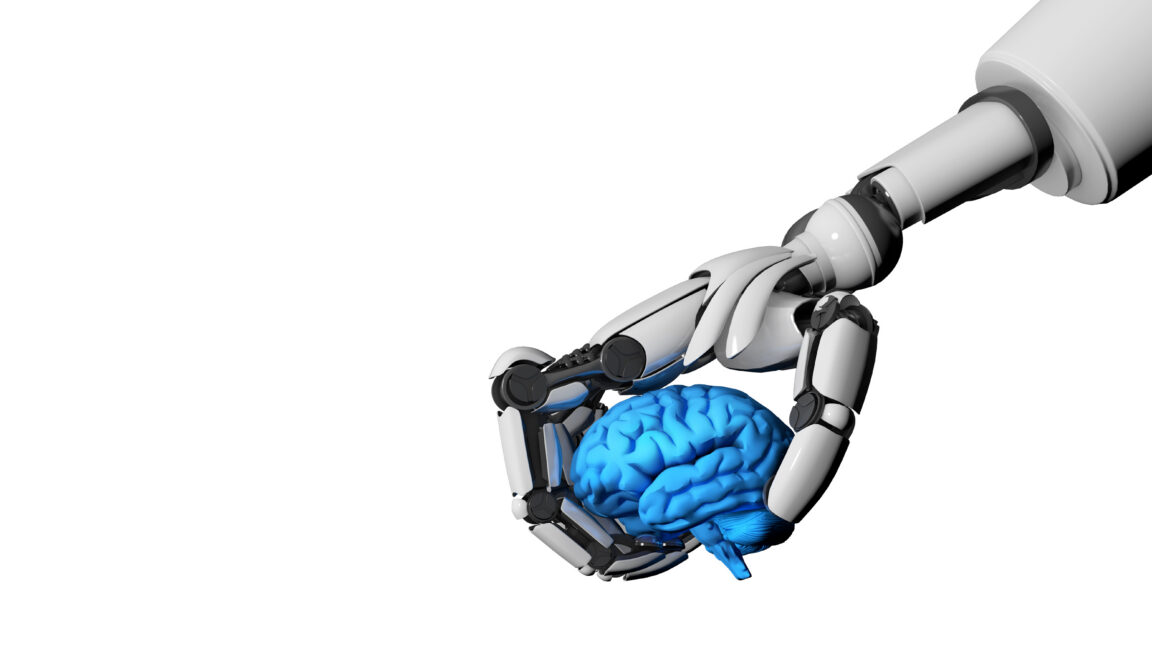
The controversy centers on a technique known as "distillation." In simple terms, this involves using a very smart, expensive AI model to teach a smaller, cheaper model. The smaller model watches how the larger one answers questions and learns to mimic its behavior. While this is a common practice in AI research, the US government claims it is being used maliciously. Major AI firms have reported seeing millions of automated requests designed to "drain" the knowledge from their systems. These are not normal users asking questions; they are automated programs trying to map out how the AI thinks so they can build a copycat version.
Important Numbers and Facts
Several major tech companies have provided data to support these claims of widespread copying. Google reported that certain groups tried to clone its Gemini AI by sending more than 100,000 prompts in a short period. Anthropic, another leading AI company, found that Chinese firms like DeepSeek, Moonshot, and MiniMax used approximately 24,000 fake accounts to interact with its AI, Claude. These accounts generated over 16 million different exchanges. OpenAI also confirmed that a large majority of the digital attacks it faces come from sources based in China. These numbers suggest a coordinated effort rather than a few isolated incidents of curious users.
Background and Context
Artificial intelligence is currently seen as the most important technology of the century. It has the potential to change how people work, how militaries operate, and how economies grow. Because it is so important, the US and China are in a race to see who can build the most powerful systems. Building a "frontier" AI model—the most advanced kind—requires thousands of expensive computer chips and billions of dollars in electricity and research. Copying a model through distillation is much cheaper and faster. For the US, this is a matter of national security and economic fairness. They believe that if China skips the hard work of invention by copying American results, it creates an unfair advantage that could shift global power.
Public or Industry Reaction
The reaction from the Chinese government has been swift and negative. Officials in Beijing have called the accusations "slander" and argue that the US is simply trying to maintain a monopoly on technology. They claim that their own AI progress is the result of local innovation and hard work. Meanwhile, the US tech industry is divided. Some experts want the government to step in and block access to AI tools for certain countries. Others worry that being too restrictive will hurt the open nature of scientific research. Within the White House, the tone is urgent. Michael Kratsios, a top science and technology official, warned in a memo that these "deliberate campaigns" are a direct threat to American leadership in the field.
What This Means Going Forward
Looking ahead, we can expect the US government to introduce new policies to stop this kind of data harvesting. This might include requiring AI companies to verify the identity of their users more strictly or limiting the number of questions a single user can ask. There is also talk of "export controls" on AI software, similar to the rules that already exist for advanced computer chips. For Chinese companies, these accusations could lead to more difficulty accessing global markets or partnering with international researchers. The "AI race" is no longer just about who has the best scientists; it is now a battle of digital security and international law.
Final Take
The fight over AI theft shows that data has become the most valuable resource in the world. As AI models become more powerful, the methods used to protect them—and the methods used to steal them—will become more advanced. This conflict is about more than just software code; it is about which country will lead the next era of human innovation. The tension between the US and China over these "industrial-scale" campaigns is likely just the beginning of a long struggle over the rules of the digital age.
Frequently Asked Questions
What is AI distillation?
AI distillation is a process where a smaller, simpler AI model is trained using the outputs of a larger, more advanced model. It allows the smaller model to perform almost as well as the larger one but at a much lower cost and with less computing power.
Why is the US calling this "theft"?
The US considers it theft when foreign companies use millions of automated queries to copy the logic and "brain" of an American AI model without permission. They argue this bypasses the massive investment and research required to build the original model.
How did companies like Google and Anthropic find out?
These companies tracked unusual patterns of activity, such as thousands of fake accounts sending millions of messages in a very short time. This behavior is typical of automated programs trying to "scrape" or copy the AI's knowledge rather than normal human conversation.