
Summary
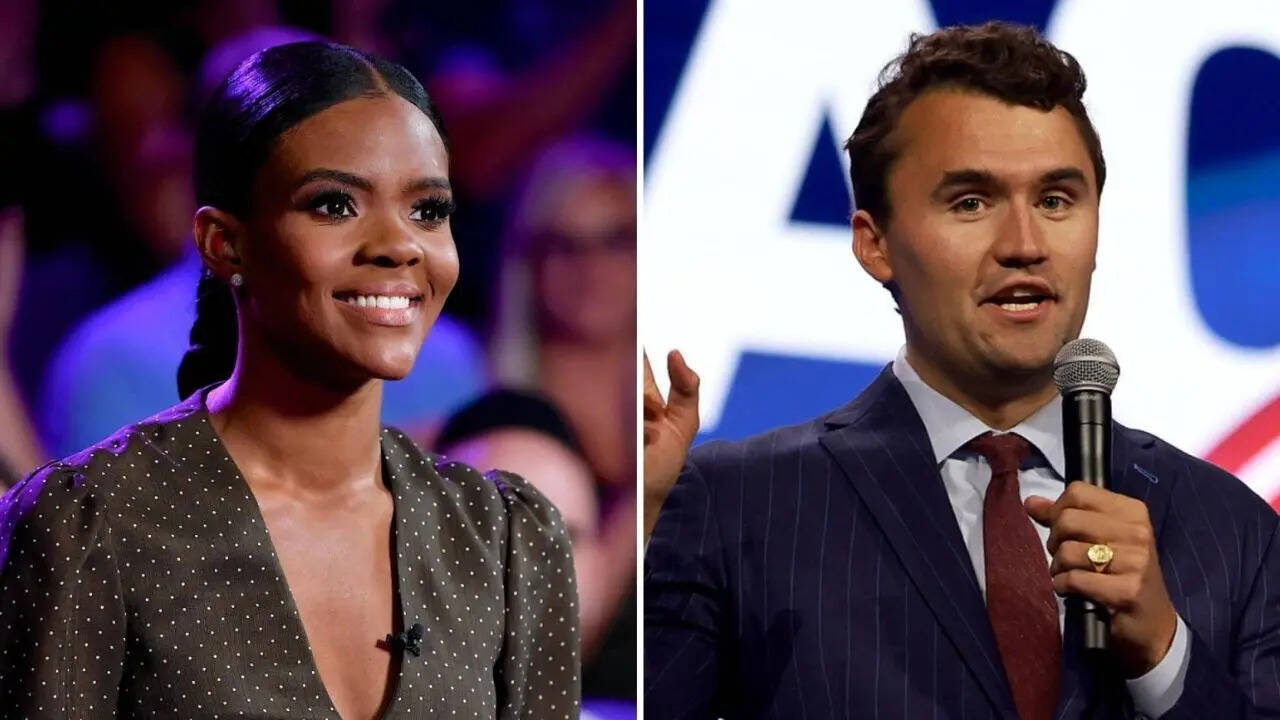
Candace Owens has sparked a major public discussion regarding the murder investigation of Charlie Kirk. New court documents suggest that the bullet found in the victim does not match the rifle belonging to the main suspect, Tyler Robinson. This discovery has led Owens to call the current evidence against Robinson "non-existent." The case now faces intense scrutiny as the physical evidence appears to contradict the claims made by investigators.
Main Impact
The primary impact of this development is a potential shift in the legal proceedings against Tyler Robinson. In criminal trials, forensic evidence like ballistics is often the strongest tool for the prosecution. If the murder weapon and the bullet do not match, it creates significant doubt about the suspect's involvement. This mismatch forces the court and the public to reconsider the strength of the case, especially since the prosecution has relied heavily on alleged confessions from the accused.
Key Details
What Happened
The investigation into the death of Charlie Kirk took a surprising turn following a new forensic report. For months, the case against Tyler Robinson seemed to be moving forward based on statements he reportedly made to the police. However, the latest court filing reveals a major gap in the physical proof. Experts who examined the bullet recovered from the scene found that it could not have been fired from the rifle seized from Robinson. This news has changed the narrative of the trial and led to accusations that the investigation was handled poorly.
Important Numbers and Facts
The forensic report specifically focused on the markings on the bullet, which are like a fingerprint for a gun. Every rifle leaves unique marks on a bullet when it is fired. In this case, the "fingerprint" on the bullet did not match Robinson's weapon. Despite this, investigators have pointed to confessions as their main reason for keeping Robinson in custody. Candace Owens highlighted these facts to her large audience, arguing that a confession should not outweigh scientific proof that shows a different story.
Background and Context
This topic matters because it touches on how the justice system handles high-profile cases. When a well-known person is involved, there is often a lot of pressure on the police to find a suspect quickly. In many legal cases, a confession is seen as a "smoking gun," but history shows that confessions can sometimes be unreliable or given under pressure. Forensic science, such as ballistics testing, is meant to provide an objective truth that does not rely on what people say. When the science and the statements do not line up, it creates a legal crisis that can lead to a trial being dismissed or a person being wrongly convicted.
Public or Industry Reaction
The reaction to this news has been divided. Supporters of Candace Owens have praised her for bringing attention to what they see as a failing investigation. They argue that the government should not be allowed to hold someone when the physical evidence points elsewhere. On the other hand, some legal experts suggest that the confessions might still be valid if they contain details that only the killer would know. However, the general public mood has shifted toward skepticism. Many people are now asking why the ballistics test took so long to be made public and what other evidence might be missing or incorrect.
What This Means Going Forward
Looking ahead, the defense team for Tyler Robinson will likely use this forensic report to ask for the charges to be dropped or for a bail hearing. The prosecution now faces the difficult task of explaining why the bullet does not match the gun they claimed was used in the crime. If they cannot find another weapon or provide a clear reason for the mismatch, their case may fall apart. This situation also puts a spotlight on the investigators, who may face questions about how they obtained the confessions and why the physical evidence was not checked more carefully at the start of the case.
Final Take
The mismatch between the forensic evidence and the suspect's weapon has turned this investigation upside down. While confessions are powerful, they must be supported by hard facts to ensure a fair trial. As this case moves forward, the focus will remain on whether the legal system values scientific truth over spoken claims. The outcome will likely depend on how the court views the "non-existent" evidence that Candace Owens has brought to the forefront of the public mind.
Frequently Asked Questions
Why does the bullet match matter?
The bullet match is vital because it proves whether a specific gun was used in a crime. If the bullet does not match the suspect's rifle, it suggests that either a different gun was used or a different person was involved.
What did Candace Owens say about the case?
Candace Owens criticized the investigation, calling the evidence against the suspect "non-existent." She questioned how the case could continue when the forensic facts do not support the prosecution's claims.
Can a confession be used if the evidence is different?
Yes, a confession can still be used in court, but it is much harder to win a case if the physical evidence contradicts what the suspect said. The jury must decide which piece of information is more believable.

