
Summary
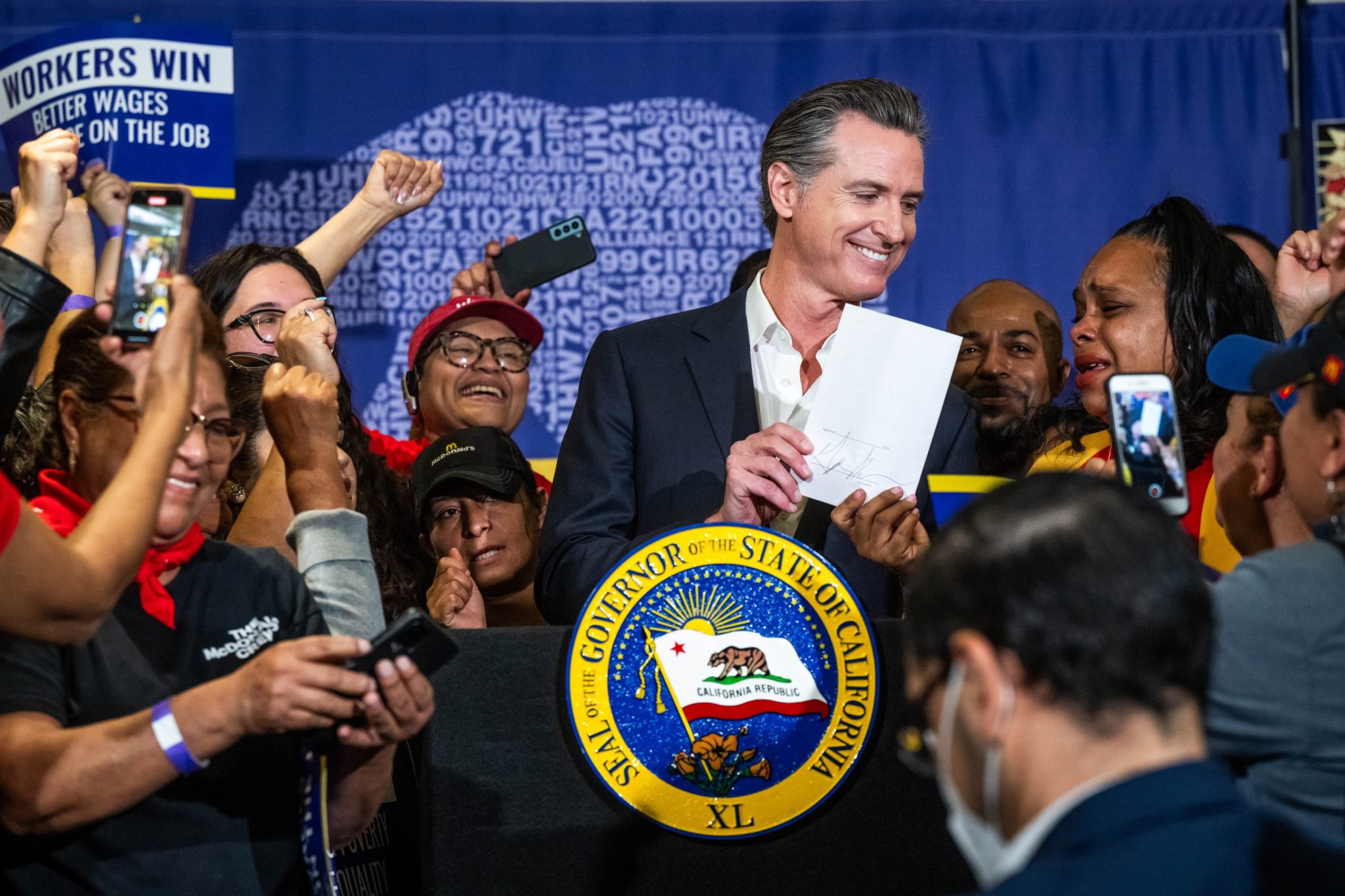
In 2024, California raised the minimum wage for fast-food workers to $20 per hour. At the time, many experts warned that this move would lead to massive job losses and much higher food prices. However, a new study from the University of California at Berkeley shows that these fears have not come true. Instead, workers are earning more money while employment levels have remained steady and price increases have been very small.
Main Impact
The most significant result of this wage increase is a boost in pay for over 500,000 workers without the expected negative side effects. While critics thought businesses would have to fire people to stay open, the data shows that the fast-food industry has stayed stable. This suggests that large wage increases can happen in expensive states without hurting the local economy or causing a spike in unemployment.
Key Details
What Happened
The law targeted fast-food chains with more than 60 locations nationwide. It raised the base pay to $20 an hour to help workers deal with the high cost of living in California. Researchers used modern data tools, including cell phone location tracking and digital payroll records, to see how the change affected restaurants. They found that instead of failing, many businesses adapted well to the new rules.
Important Numbers and Facts
The UC Berkeley study found that average weekly pay for eligible workers went up by 11%. During the same period, food prices only increased by about 1.5%. To put that in perspective, a burger that used to cost $4.00 now costs about $4.06. Additionally, the study found no evidence that restaurants were cutting jobs. This is partly because labor only makes up about 30% of a restaurant's total costs, so a wage hike does not force a massive price jump for customers.
Background and Context
California has one of the largest economies in the world, worth about $4 trillion. However, it also faces a major wealth gap. While the state is home to hundreds of billionaires, about 18% of its residents live in poverty because housing and food are so expensive. This wage law was designed to help low-income families keep up with rising costs. It is part of a larger debate in the state about how to share wealth more fairly, which includes discussions about new taxes for the very wealthy.
Public or Industry Reaction
The reaction to these findings is mixed. Some economists, like Michael Reich from UC Berkeley, say the results prove that the "dire predictions" were wrong. He argues that higher pay actually helps businesses because workers are more likely to stay in their jobs. Replacing a worker can cost a restaurant nearly $6,000 in training and hiring costs, so keeping employees longer saves money.
On the other hand, some groups still believe the law is harmful. A report from the Cato Institute claimed the fast-food sector lost 18,000 jobs compared to other industries. Another study from UC Santa Cruz suggested that while pay went up, some managers cut back on worker benefits or hours. These conflicting reports show that while the overall economy is doing well, some individual businesses may still be struggling to adjust.
What This Means Going Forward
California is often seen as a testing ground for new laws. Because the $20 minimum wage did not cause an economic collapse, other states are now looking to follow suit. In 2026, nearly two dozen states and over 60 cities are expected to raise their own minimum wages. If the California model continues to show success, it could lead to a nationwide shift in how low-wage workers are paid. However, future research will need to account for other factors, such as changes in immigration laws or national economic shifts, which can also affect job numbers.
Final Take
The data so far suggests that the fear of a $20 minimum wage was mostly unearned. By focusing on hard data rather than theories, it appears that California has found a way to raise pay for its most vulnerable workers without causing the price of a meal to skyrocket. While some small businesses may feel the squeeze, the broader fast-food industry seems to be handling the change with ease.
Frequently Asked Questions
Did food prices go up because of the $20 minimum wage?
Yes, but only by a small amount. Prices rose by about 1.5%, which means most customers only pay a few extra cents per item.
Did fast-food restaurants lose jobs in California?
The UC Berkeley study found that employment levels stayed the same. While some other reports suggest job losses, the overall data shows the industry remains stable.
Why didn't the wage hike hurt businesses more?
Labor is only one part of a restaurant's costs. Additionally, higher pay helps reduce "turnover," which is when workers quit and need to be replaced. Saving money on hiring and training helps balance out the higher wages.



