
Summary
Many business leaders are spending billions of dollars on Artificial Intelligence (AI) to make their companies faster and better. However, famous researcher Brené Brown warns that these investments will fail if companies ignore the human side of work. She argues that teaching employees technical skills is only half the job. For AI to truly work, leaders must build a culture of trust and make their employees feel like they truly matter. Without a strong human foundation, new technology can actually cause performance to drop instead of improve.
Main Impact
The biggest impact of this finding is that AI alone does not guarantee success. New data shows a massive difference in how teams perform based on their office culture. In workplaces where trust is high, using AI helped performance grow by 6%. But in workplaces where trust is low, using the same AI tools caused performance to fall by 9%. This means that a bad company culture can turn a powerful tool like AI into a disadvantage. Leaders who focus on both people and technology see much better results than those who only focus on the machines.
Key Details
What Happened
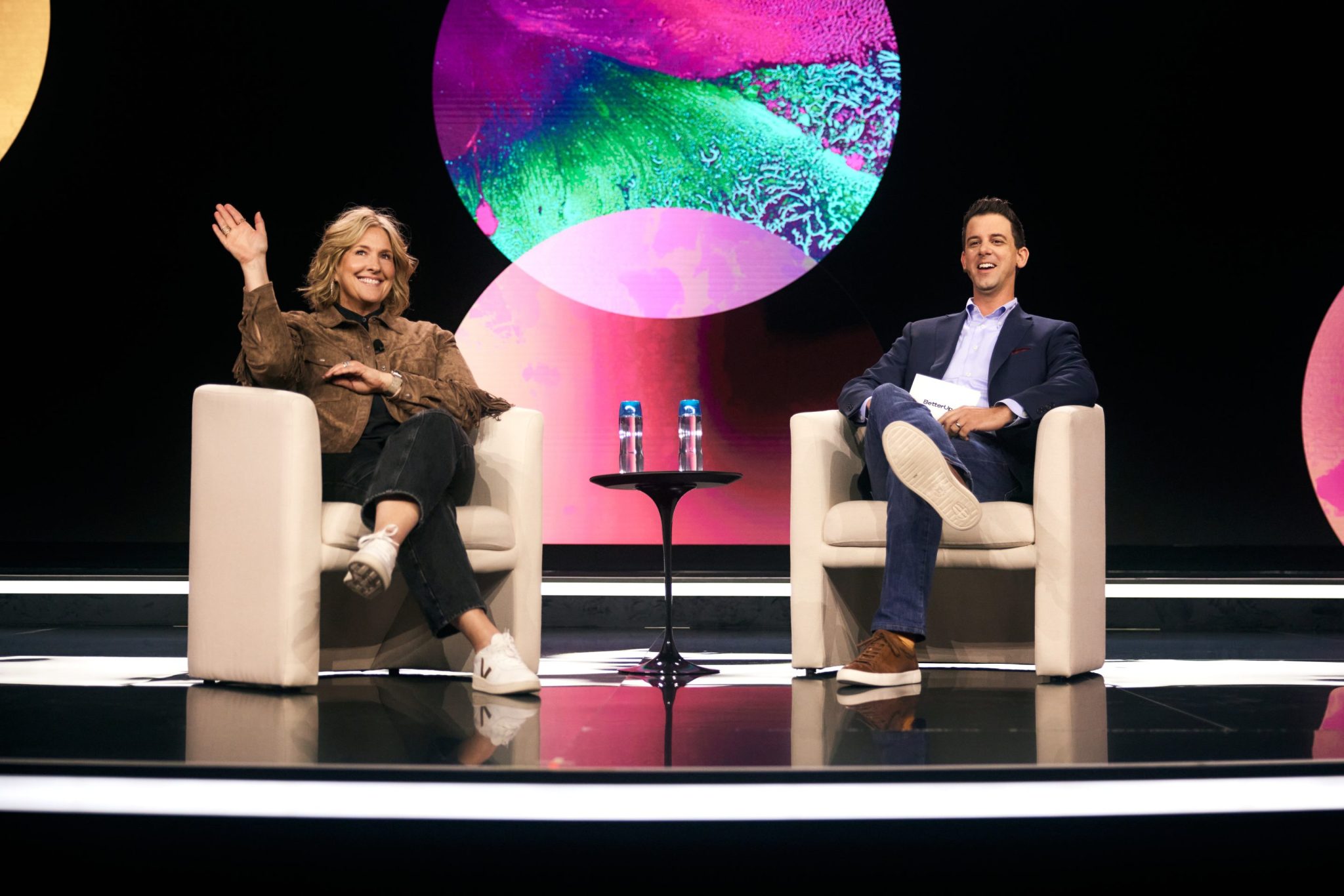
Brené Brown, who studies leadership and human behavior, explained that many top bosses—often called the C-suite—find it easier to focus on technical training. It is simple to pay for a class on how to use AI, but it is much harder to build a workplace where people feel brave and trusted. Brown says that many companies are failing because they are skipping the hard work of connecting with their employees. She believes that trust is the most important factor in whether a company succeeds with new technology.
Important Numbers and Facts
A recent study by the company BetterUp looked at full-time workers in the United States, Canada, and the United Kingdom. The study found that managers who used AI while also coaching their teams saw a 17% increase in overall performance. This includes how much work they got done and the quality of that work. Despite these benefits, many managers are not spending time with their teams. Because many leaders feel tired and overworked, they are not using the time saved by AI to build better relationships with their staff.
Background and Context
For a long time, businesses have looked for ways to do more work with fewer people. AI is the newest way to try and reach that goal. However, when new technology is introduced, workers often feel worried. They might fear that a computer will take their job or that their bosses do not care about them anymore. This fear makes it hard for people to do their best work. Brené Brown explains that trust is not something you can buy; it is earned through small, everyday actions. If employees do not trust their leaders, they will not use AI in a way that helps the company grow.
Public or Industry Reaction
Alexi Robichaux, the CEO of BetterUp, says that many companies are currently "bad at the human part" of business. He points out that as AI takes over more basic tasks, being good at human relationships is the only way for a company to stay ahead of its competitors. He suggests that leaders need to go back to the basics of human connection. This could be as simple as taking an employee out for coffee or asking them how they are doing. While some leaders think these things take too much time, Brown argues that the cost of not having trust is much higher than the cost of building it.
What This Means Going Forward
In the coming years, the gap between successful and failing companies will likely depend on leadership style. Companies that only focus on the technical side of AI will likely see their performance suffer. To avoid this, businesses must change how they train their managers. Instead of just learning how to use software, managers need to learn how to coach their teams and build trust. The goal is to make employees feel like they have "agency," which means they feel they have control over their work and their future. If workers feel safe and supported, they are much more likely to use AI to its full potential.
Final Take
Technology is only as good as the people using it. If a company has a broken culture, even the most expensive AI tools will not fix it. To see a real return on their investments, leaders must stop hiding behind technical training and start doing the hard work of building trust. In the age of AI, being a good human is the most important business skill a leader can have.
Frequently Asked Questions
Why is AI causing some teams to perform worse?
AI can cause performance to drop if the workplace has low trust. When employees feel stressed or unsupported, they may see AI as a threat rather than a tool, which leads to lower productivity and poorer work quality.
How can leaders improve their AI results?
Leaders can improve results by combining AI tools with human support. This means spending time coaching employees, building personal connections, and ensuring that workers feel valued and heard during the transition to new technology.
What is the "human part" of business that Brené Brown mentions?
The human part refers to things like trust, courage, and making employees feel like they matter. It involves small, consistent actions where leaders show they care about their staff's lives and professional growth.



