Summary
Harshwardhan Sapkal, the president of the Maharashtra Congress, has launched a sharp verbal attack on the BJP regarding its stance on women’s rights. During a press meeting in Mumbai, he argued that the BJP’s core beliefs are based on old texts that do not treat women as equals. Sapkal challenged the party to reject these traditional ideologies before claiming to support women's reservation laws. This move highlights the deepening political divide over gender equality and the upcoming changes to India's voting systems.
Main Impact
The primary impact of these statements is a shift in the political debate from modern laws to historical and religious ideologies. By bringing up texts like the Manusmriti, the Congress party is trying to paint the BJP as a group that is stuck in the past. This strategy aims to question the BJP's sincerity regarding the Women’s Reservation Bill. It also puts pressure on the Rashtriya Swayamsevak Sangh (RSS) to address its lack of female leadership, which could become a major talking point in future elections.
Key Details
What Happened
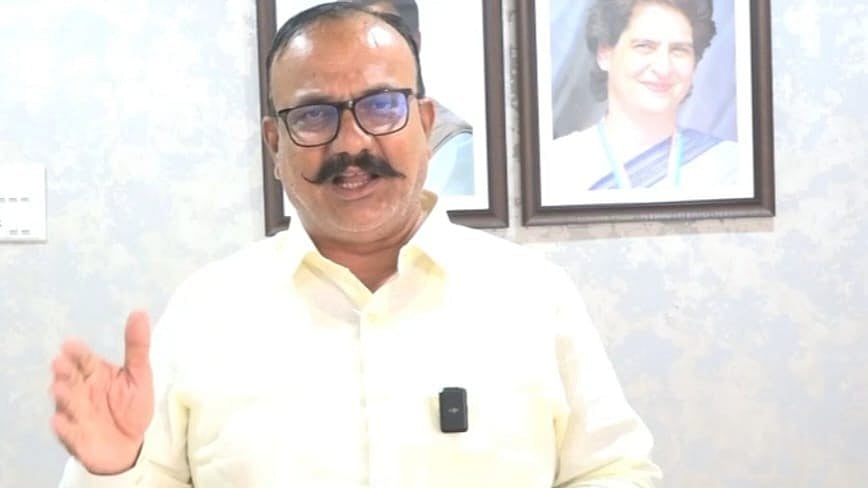
Harshwardhan Sapkal held a press conference where he stated that the BJP has "no right" to talk about women’s empowerment. He specifically mentioned two books: Bunch of Thoughts and the Manusmriti. He claimed these books promote the idea that women are inferior to men. Sapkal dared the BJP to burn these books and show real change. He also challenged Prime Minister Narendra Modi to ask the current RSS chief, Mohan Bhagwat, to step down so a woman could lead the organization for the first time.
Important Numbers and Facts
- The Women’s Reservation Bill was passed in Parliament in 2023 with support from many parties.
- Congress reminded the public that they previously introduced 33 percent reservation for women in local government, which later grew to 50 percent in some areas.
- The 131st Constitutional Amendment Bill recently failed in the Lok Sabha, which Sapkal linked to the BJP's plan for "delimitation."
- Delimitation refers to the process of redrawing the boundaries of voting areas, which critics fear will change the political balance of states like Maharashtra.
Background and Context
To understand this conflict, it is important to know the history of the texts mentioned. The Manusmriti is an ancient legal text that has been criticized for centuries for its views on the caste system and the role of women. Many social reformers, including B.R. Ambedkar, famously opposed it. Bunch of Thoughts was written by M.S. Golwalkar, a former leader of the RSS, and it serves as a guide for the group's national and social views.
Sapkal also brought up Savitribai Phule, a famous social reformer who opened the first school for girls in India. He claimed that the people who opposed her work in the 1800s shared the same mindset as the modern-day BJP. By doing this, he is connecting the current political fight to a long history of social struggle in Maharashtra.
Public or Industry Reaction
The public reaction has been heated, especially after a video went viral showing a woman confronting BJP Minister Girish Mahajan in Worli. The woman was reportedly angry about traffic jams caused by a political rally and questioned the party's focus on women's issues. Sapkal alleged that BJP workers have since threatened journalists who filmed this incident. He urged the media not to be scared by these actions.
On the other side, the BJP has defended its record. They have accused Congress President Mallikarjun Kharge of using harsh language against the Prime Minister. The BJP has even approached the Election Commission to complain about these remarks. Sapkal dismissed these complaints, saying the BJP is simply trying to distract people from the real issues.
What This Means Going Forward
The fight over women's reservation is far from over. While the law has been passed, it will not be put into action until after the next census and the redrawing of voting maps. This delay is a major point of anger for the opposition. Congress and its allies believe the BJP is using the law as a political tool without actually wanting to share power with women immediately.
In the coming months, we can expect more debates about the "cow belt" influence on Maharashtra’s politics. The Congress party is positioning itself as the protector of Maharashtra’s identity against what it calls the BJP’s attempt to change the state’s social structure. This will likely be a central theme in the next set of elections.
Final Take
The clash between the Congress and the BJP in Maharashtra shows that political battles are often about more than just new laws. They are about which party truly respects the history and rights of the people. By challenging the BJP’s ideological roots, the Congress is forcing a conversation about whether modern political promises can truly match old traditional beliefs. The real test will be whether these arguments change how voters feel when they head to the polls.
Frequently Asked Questions
What is the Women’s Reservation Bill?
It is a law that aims to set aside one-third of the seats in India's Parliament and state assemblies for women to ensure they have a fair share of political power.
Why did the Congress leader mention the Manusmriti?
He mentioned it to argue that the BJP follows an ideology that historically viewed women as less important than men, questioning their commitment to modern equality.
What is delimitation?
Delimitation is the process of fixing or redrawing the limits or boundaries of territorial constituencies in a country to reflect changes in population.