Summary
Health officials in Karnataka have confirmed that a bird flu outbreak in Bengaluru is now under control. The virus was found at a government poultry farm earlier this month, but quick action stopped it from spreading. Most importantly, no humans have been infected by the virus. Authorities have finished cleaning the area and are keeping a close watch on the health of local residents to ensure everyone stays safe.
Main Impact
The main impact of this event is the successful prevention of a larger health crisis. By acting fast, the state government stopped the H5N1 virus from moving beyond a single facility. This protected both the local poultry industry and the health of people living nearby. While thousands of birds had to be killed to stop the virus, the fact that no humans caught the illness is a major relief for the city of Bengaluru. The situation shows that having a strong plan for animal diseases can prevent them from becoming a problem for people.
Key Details
What Happened
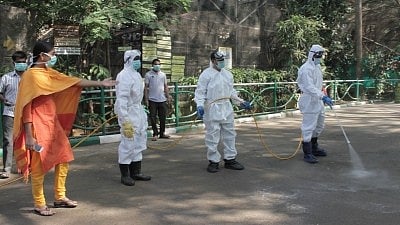
The problem started on April 14, 2026, at a government poultry training center in Hesaraghatta. This facility is located on the edges of Bengaluru. Workers noticed birds getting sick, and samples were sent to a special lab in Bhopal for testing. The results confirmed it was the H5N1 strain of bird flu. Immediately after the results came back, rapid response teams were sent to the site. These teams included animal doctors and health workers who worked together to seal off the area and stop the virus from moving to other farms or into the city.
Important Numbers and Facts
To control the outbreak, officials set up two safety zones. The first was a three-kilometer "infected zone" where the most strict rules were applied. The second was a ten-kilometer "surveillance zone" used to watch for any signs of the virus spreading. Reports show that 7,444 chickens were culled, which means they were killed and buried safely to destroy the virus. Along with the birds, many eggs and bags of bird feed were also destroyed. Health workers did not just focus on animals; they also monitored more than 28,000 people living in 22 nearby villages. This monitoring lasted for ten days to make sure no one developed a fever or cough related to the flu.
Background and Context
Bird flu, or avian influenza, is a disease that usually stays among birds. However, some types, like H5N1, can be dangerous because they sometimes spread to humans who work closely with infected animals. When this happens, it can cause serious lung problems. This is why the government takes every case very seriously. In Bengaluru, the poultry industry is large, and many people rely on it for food and jobs. Catching the virus early at a government facility allowed experts to use standard safety rules to keep the rest of the city’s food supply safe and avoid a public health emergency.
Public or Industry Reaction
The public reaction has been one of caution but not panic. Health officials have told people that it is still safe to eat chicken and eggs as long as they are cooked properly. High heat kills the virus, making the food safe. Hospitals in Bengaluru have been told to stay alert. Doctors are looking out for anyone with severe flu symptoms, just in case. The government has also asked people to report any dead birds they find in their neighborhoods instead of touching them. This help from the public is a key part of keeping the virus away from residential areas.
What This Means Going Forward
Even though the immediate danger is over, the government is not taking any chances. The poultry training center in Hesaraghatta will not be allowed to keep any birds for the next three months. During this time, the entire place will be cleaned and disinfected many times. This "rest period" ensures that any trace of the virus is completely gone before new birds are brought in. Health teams will also continue to check the area. For the general public, this serves as a reminder to follow basic hygiene, like washing hands after touching animals and ensuring meat is well-cooked.
Final Take
The quick containment of bird flu in Bengaluru is a success story for public health teams. By combining animal care with human health monitoring, they stopped a dangerous virus in its tracks. While the loss of poultry is unfortunate, the safety of the community remained the top priority. Ongoing vigilance will ensure the city stays free of the virus in the coming months.
Frequently Asked Questions
Is it safe to eat chicken in Bengaluru?
Yes, it is safe to eat poultry products. Health experts say that cooking chicken and eggs thoroughly at high temperatures kills the bird flu virus, making the food safe for everyone.
Can humans catch this version of bird flu?
While H5N1 can infect humans in rare cases, no human infections were found during this outbreak. Officials tested the farm staff and monitored thousands of neighbors, and all results were negative.
What should I do if I find a dead bird?
You should not touch or move the bird yourself. Instead, contact local animal health or city officials immediately so they can remove it safely and test it if necessary.