Summary
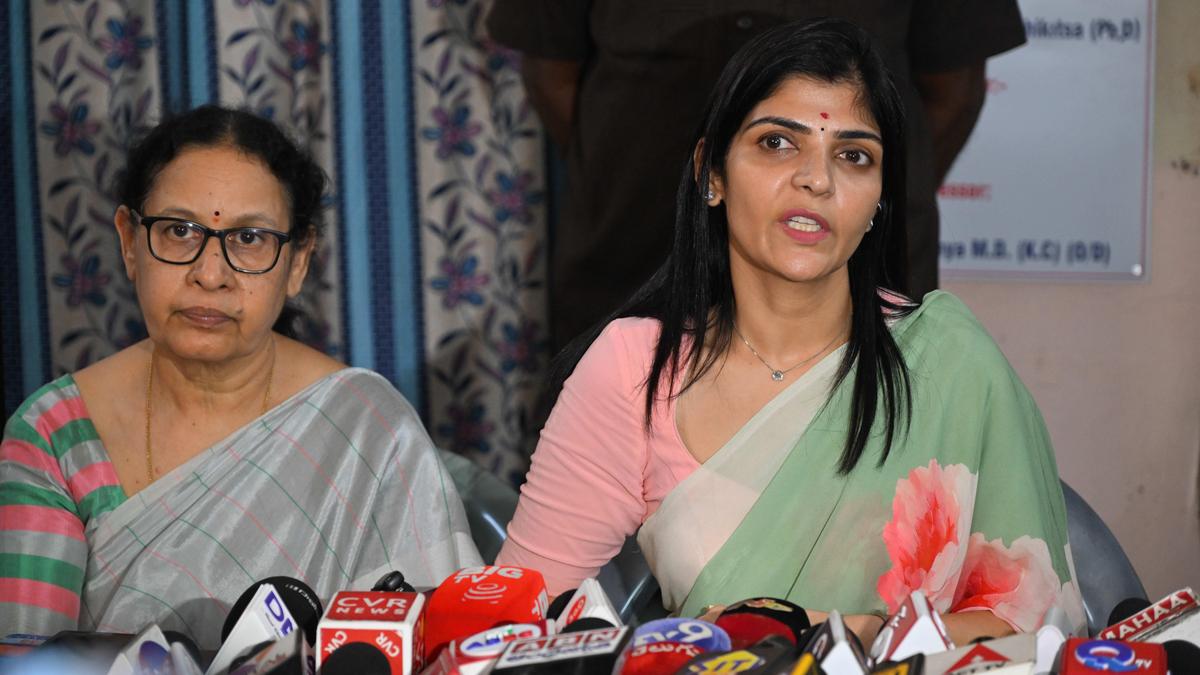
Rayapati Sailaja, the head of a prominent women’s commission, has raised serious concerns regarding a sexual harassment investigation at a local Ayurvedic college. The inquiry follows reports from students who claim they were harassed and later faced threats for speaking out. Sailaja pointed out that the college failed to follow legal requirements, including the late formation of an investigative committee and the absence of a required outside member. This situation has sparked a discussion about the safety of students and the need for schools to follow the law strictly.
Main Impact
The main impact of this situation is the breakdown of trust between the students and the college administration. When an institution fails to set up a proper system for complaints, it leaves victims feeling unprotected and vulnerable. By not following the legal steps for a sexual harassment inquiry, the college has put the fairness of the entire process at risk. This case serves as a warning to other educational centers that they must take student safety and legal procedures seriously to avoid government intervention and public outcry.
Key Details
What Happened
The issue began when several students at the Ayurvedic college came forward with allegations of sexual harassment. Instead of finding a supportive environment, the students reported that they were met with threats and pressure to stay silent. When the women’s panel chief, Rayapati Sailaja, visited the campus to check on the progress of the case, she discovered several major errors in how the college handled the matter. The college did not have an active Internal Complaints Committee (ICC) when the complaints were first made. Furthermore, the committee they eventually put together did not meet the legal standards required for such sensitive investigations.
Important Numbers and Facts
Under the law, every college and workplace must have an Internal Complaints Committee to handle harassment cases. A key rule is that this committee must include at least one external member, such as a lawyer or a social worker, to ensure the investigation is neutral. In this case, the college failed to appoint this external member. Additionally, the committee was only formed after the complaints became a public issue, rather than being a permanent part of the college structure as required by national guidelines. Sailaja noted that the delay and the missing member make the current findings of the college unreliable.
Background and Context
In many countries, laws are in place to protect people from harassment at work or school. These laws require organizations to have a clear and fair way for victims to report abuse. The goal is to make sure that the people investigating the claims are not biased toward the school or the person being accused. Having an outside person on the committee is vital because it prevents the school from trying to hide problems to protect its reputation. In the context of medical and Ayurvedic colleges, where students often work long hours and rely on their teachers for grades and career help, these protections are even more important. When these systems fail, it creates an environment where abuse can continue without any consequences.
Public or Industry Reaction
The response from the public and student groups has been one of anger and concern. Many people are worried that if a college can ignore these rules so easily, students elsewhere might also be in danger. Activists have praised Rayapati Sailaja for her quick action in identifying these gaps. There is a growing demand for the government to check other colleges to see if they are also breaking these rules. Parents of students have expressed fear that their children might face similar threats if they try to report wrongdoing. The general feeling is that the college administration must be held accountable for failing to provide a safe space for learning.
What This Means Going Forward
Moving forward, the college will likely face pressure to restart the investigation from the beginning with a legally correct committee. This means they must find a qualified external member and ensure that the students who filed the complaints are protected from any further threats. The women’s panel is expected to keep a close watch on the college to make sure they follow these steps. If the college continues to ignore the law, they could face legal penalties or lose their official standing. This case will likely lead to stricter checks on all educational institutions to ensure they have the right committees in place before a problem occurs.
Final Take
Schools have a basic duty to keep their students safe and to follow the laws designed to protect them. When a college fails to set up a fair system for complaints, it fails its students entirely. The lapses found at this Ayurvedic college show that having rules on paper is not enough; those rules must be put into practice with honesty and care. Protecting the rights of students should always come before protecting the image of an institution.
Frequently Asked Questions
What is an Internal Complaints Committee (ICC)?
An ICC is a group of people within an organization or college who are responsible for listening to and investigating reports of sexual harassment. It is required by law to ensure a safe environment.
Why is an external member required on the committee?
An external member is someone from outside the college, like a legal expert or a member of an NGO. They are there to make sure the investigation is fair and that the college does not try to cover up the truth.
What happens if a college does not follow these rules?
If a college fails to form a proper committee or ignores harassment complaints, they can face legal action, fines, and a loss of trust from the public and the government.