Summary
Arunachal Pradesh has achieved a major health milestone by officially declaring 19 of its 27 districts free from malaria. This announcement was made during a special event for World Malaria Day, organized by the state's health department. The government has set a firm goal to completely remove the disease from the entire state by the year 2027. This progress shows that the state is moving faster than many other regions in its fight against mosquito-borne illnesses.
Main Impact
The declaration of 19 malaria-free districts is a huge win for public health in Northeast India. For the people living in these areas, it means a lower risk of falling ill and fewer deaths caused by the disease. It also reduces the pressure on local hospitals and clinics, allowing doctors to focus on other health issues. By clearing so many districts, the state government has proven that its health strategies are working, even in places that are hard to reach because of thick forests and mountains.
Key Details
What Happened
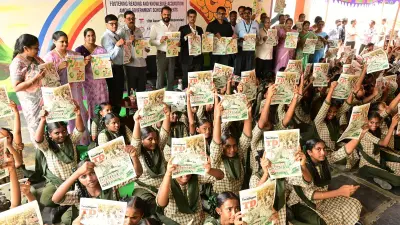
The National Centre for Vector Borne Diseases Control (NCVBDC) held an event to mark World Malaria Day. During this meeting, health officials reviewed the latest data on malaria cases across the state. They found that 19 districts had successfully stopped the local spread of the disease. This means that in these specific areas, no new cases have started within the local community for a significant amount of time. The state is now focusing its resources on the remaining eight districts that still report cases.
Important Numbers and Facts
Arunachal Pradesh has a total of 27 districts. With 19 now declared free of the disease, about 70% of the state is officially in the clear. The government’s target date of 2027 is three years ahead of India’s national goal to be malaria-free by 2030. This ambitious timeline shows the state's commitment to improving the lives of its citizens. Health workers have been using tools like medicated bed nets and rapid testing kits to reach these numbers.
Background and Context
Malaria is a serious disease that people get from the bite of an infected mosquito. It causes high fever, chills, and can be deadly if not treated quickly. In Arunachal Pradesh, the environment makes it very easy for mosquitoes to breed. The state has many rivers, heavy rainfall, and dense green areas. For a long time, these factors made it very difficult to control the spread of the disease.
To fight back, the government started several programs. They sent health workers into remote villages to teach people how to stay safe. They also distributed Long-Lasting Insecticidal Nets (LLINs), which are special bed nets that kill mosquitoes on contact. These efforts, combined with better medicine and faster testing, have led to the current success.
Public or Industry Reaction
Health experts and local leaders have praised the hard work of the medical teams. Many have pointed out that the "ASHA" workers—women who work as community health volunteers—played a vital role. These workers traveled to small villages, often walking for hours, to make sure families were using their bed nets and getting tested. The success is seen as a group effort between the government, health professionals, and the people living in the villages.
What This Means Going Forward
While 19 districts are safe, the job is not finished. The state must now focus on the "last mile" of the journey. The remaining eight districts are likely the most challenging areas where the disease is still present. The government plans to increase monitoring in these places to find every single case and treat it immediately. There is also a risk that the disease could come back to the free districts if people travel from areas where malaria still exists. Because of this, the state will keep testing people and watching for any signs of the disease returning.
Final Take
Arunachal Pradesh is setting a strong example for the rest of the country. By clearing malaria from the majority of its districts, the state has shown that even difficult terrain is not a barrier to good health. If the current momentum continues, the 2027 goal is well within reach. This achievement will lead to a stronger, healthier population and a more productive state for years to come.
Frequently Asked Questions
How many districts in Arunachal Pradesh are now malaria-free?
A total of 19 districts out of the 27 districts in the state have been declared free of malaria.
When does the state plan to be completely free of malaria?
The government of Arunachal Pradesh has set a target to eliminate malaria from the entire state by the year 2027.
What methods were used to reduce malaria cases?
The state used several strategies, including distributing medicated bed nets, providing rapid diagnostic tests, and sending health workers to remote areas to educate the public.