
Summary
The Artemis II mission has successfully finished its historic journey around the Moon and returned safely to Earth. This mission marks the first time in over fifty years that humans have traveled to the lunar region. The four-person crew spent ten days in space, testing the systems that will eventually help humans land on the Moon again. This flight is a major step forward for NASA and its goal of sending people to Mars in the future.
Main Impact
The success of Artemis II changes how we look at space travel today. It proves that the new Space Launch System rocket and the Orion spacecraft are ready to carry people safely into deep space. By completing this trip, NASA has shown that it can handle the complex tasks needed for long-distance space flight. This mission also broke records for how far humans have traveled from Earth, giving scientists and engineers vital data to keep future crews safe.
Key Details
What Happened
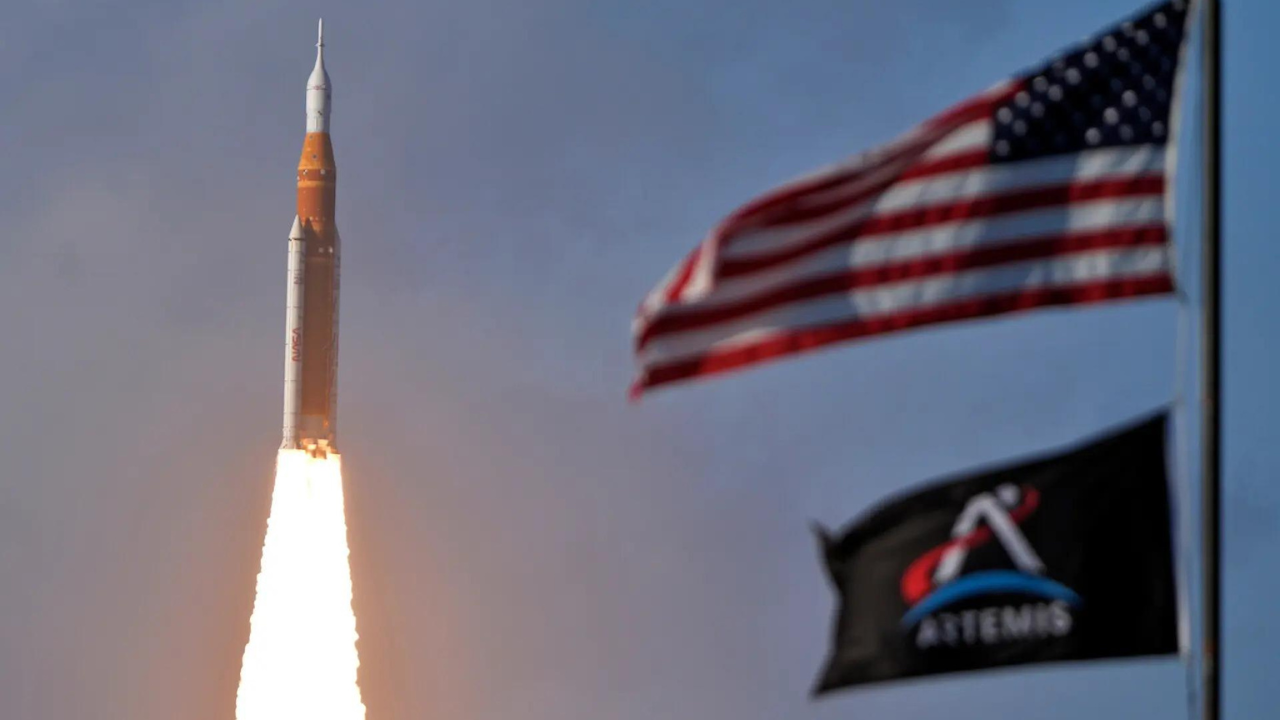
The mission followed a very specific plan over its ten-day duration. After launching from the Kennedy Space Center in Florida, the crew first circled the Earth. This allowed them to check that all life-support systems were working correctly before they left Earth's orbit. Once they were sure the ship was safe, they fired the engines to head toward the Moon.
The crew did not land on the lunar surface. Instead, they performed a "flyby." They used the Moon's gravity to swing around its far side and head back toward Earth. During the trip, the astronauts tested how the ship handles manual steering and how well the communication systems work when they are far away from home. The mission ended with a high-speed entry into Earth's atmosphere and a safe splashdown in the Pacific Ocean.
Important Numbers and Facts
The crew was made up of four experienced astronauts: Reid Wiseman, Victor Glover, Christina Koch, and Jeremy Hansen. This group is notable because it includes the first woman and the first Black astronaut to go on a lunar mission. It also included the first person from a country other than the United States to travel to the Moon, as Jeremy Hansen represents Canada.
The spacecraft traveled more than 230,000 miles away from Earth. During the return journey, the Orion capsule hit the atmosphere at speeds of nearly 25,000 miles per hour. The heat shield had to protect the crew from temperatures reaching 5,000 degrees Fahrenheit. All these numbers show just how difficult and dangerous this mission was to complete.
Background and Context
To understand why Artemis II is so important, we have to look back at history. The last time humans went to the Moon was during the Apollo 17 mission in 1972. For decades, human space flight stayed close to Earth, mostly focusing on the International Space Station. The Artemis program is named after the twin sister of Apollo in Greek mythology, signaling a new era of exploration.
NASA is not just trying to repeat what was done in the 1960s and 70s. The goal now is to build a permanent place for humans to live and work on or near the Moon. This mission serves as the final test before Artemis III, which will actually put boots back on the lunar soil. By learning how to survive near the Moon, space agencies are preparing for the much longer trip to Mars.
Public or Industry Reaction
The world watched with great interest as the crew splashed down. Leaders from many countries praised the mission as a win for all of humanity. Space experts noted that the diversity of the crew reflects a more modern approach to exploration. Private space companies also watched closely, as many of them provide parts and technology for the Artemis program. The successful return has built a lot of confidence in the timeline for the next few missions.
What This Means Going Forward
Now that the crew is home, NASA will spend months looking at the data. They need to make sure every part of the ship performed exactly as expected. If everything looks good, the focus will shift entirely to Artemis III. That mission will be even more difficult because it involves docking with a landing craft and sending people down to the Moon's South Pole.
There are still risks ahead. Space is a harsh environment, and radiation is a big concern for long trips. However, the success of Artemis II shows that the current technology is strong. It also strengthens the partnership between the United States and other countries like Canada and those in Europe, who are all working together on this project.
Final Take
Artemis II is more than just a flight around the Moon; it is a sign that the next age of space travel has truly begun. By safely sending a diverse crew further into space than ever before, NASA has proven that the dream of living on other worlds is becoming a reality. The lessons learned during these ten days will guide astronauts for decades to come.
Frequently Asked Questions
Who were the astronauts on the Artemis II mission?
The crew included Commander Reid Wiseman, Pilot Victor Glover, and Mission Specialists Christina Koch and Jeremy Hansen. This was the most diverse crew ever sent to the Moon.
Did the Artemis II crew land on the Moon?
No, they did not land. The mission was designed to fly around the Moon and test the spacecraft's systems to make sure they are safe for future landing missions.
How long did the mission last?
The entire journey took about ten days from the time they launched from Earth to the moment they splashed down in the ocean.

