
Summary
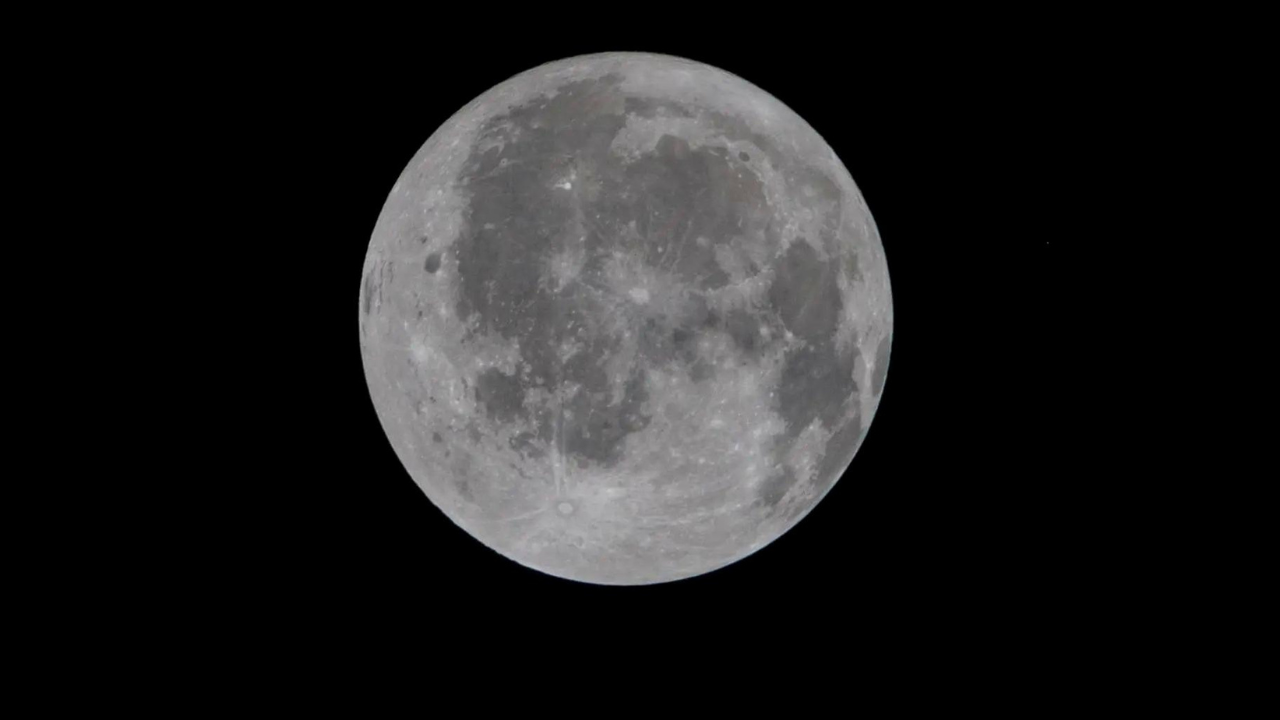
NASA’s Artemis II mission is currently making history as the first crewed flight toward the Moon in more than 50 years. The four-member crew has already traveled about two-thirds of the way to their destination. While the spacecraft is filled with advanced technology, the astronauts are focusing on using their own eyes to study the lunar surface. This direct observation is being called the "best camera" available for understanding the Moon’s unique features and colors.
Main Impact
The return of humans to the Moon’s vicinity changes how we gather data about space. For decades, we have relied on robotic probes and satellites to send back digital images. While these tools are powerful, they cannot match the human ability to process light, shadow, and color in real-time. By having people look at the Moon directly, NASA can gain a much deeper understanding of the lunar terrain. This mission proves that human intuition and sight are still the most valuable tools in space exploration.
Key Details
What Happened
The Artemis II crew is currently performing a lunar fly-around. This means they will travel around the far side of the Moon before heading back to Earth. During this journey, the astronauts are tasked with looking out the windows of the Orion spacecraft to note subtle changes in the Moon’s appearance. They are looking for specific textures and color variations that digital sensors might miss or misinterpret. This visual data will help scientists better understand the geological history of the Moon.
Important Numbers and Facts
This mission is a major milestone for several reasons. It has been 53 years since the last time humans traveled to the Moon during the Apollo 17 mission in 1972. The current crew consists of four highly trained astronauts who are testing the Orion capsule’s ability to keep humans safe in deep space. The spacecraft is traveling at thousands of miles per hour, and the entire trip is a critical test before NASA attempts to land people on the surface in the coming years.
Background and Context
The Artemis program is NASA’s modern plan to explore the Moon and eventually send humans to Mars. The first mission, Artemis I, was an uncrewed flight that tested the massive Space Launch System rocket. Artemis II is the next step, adding a human crew to the mix. The goal is not just to visit the Moon, but to learn how to live and work there for long periods. Understanding the surface through direct human observation helps experts choose the best spots for future base camps and landing zones.
Public or Industry Reaction
The global scientific community is excited about the return of human observers to deep space. Many experts believe that a human can make split-second decisions and notice details that a pre-programmed camera might ignore. Space enthusiasts around the world are following the mission closely, as it represents a new era of discovery. The success of Artemis II is seen as a necessary win for NASA to maintain support for its long-term goals of building a permanent presence on the Moon.
What This Means Going Forward
Once the Artemis II crew returns to Earth, their visual reports and photographs will be studied for years. This information will be used to prepare for Artemis III, which aims to land the first woman and the first person of color on the lunar surface. If the crew can successfully navigate the fly-around and provide clear details about the terrain, it will give future missions more confidence. The lessons learned here will also help engineers improve the windows and viewing tools on future spacecraft to ensure astronauts have the best possible view of their surroundings.
Final Take
Even in an age of artificial intelligence and high-definition digital cameras, the human eye remains an incredible tool for science. The Artemis II mission reminds us that being there in person matters. By combining the best technology with human curiosity, we are opening a new chapter in our journey to understand the stars and our closest neighbor in space.
Frequently Asked Questions
Why are astronauts using their eyes instead of just cameras?
Human eyes can see subtle differences in color and texture that cameras sometimes struggle to capture. This direct view helps scientists get a more accurate picture of the Moon's surface.
How long has it been since humans were last at the Moon?
It has been over 53 years. The last time humans were near the Moon was during the Apollo 17 mission in 1972.
Will the Artemis II crew land on the Moon?
No, this mission is a fly-around. The crew will travel around the Moon and return to Earth to test the spacecraft's systems. The actual landing is planned for the next mission, Artemis III.

