
Summary
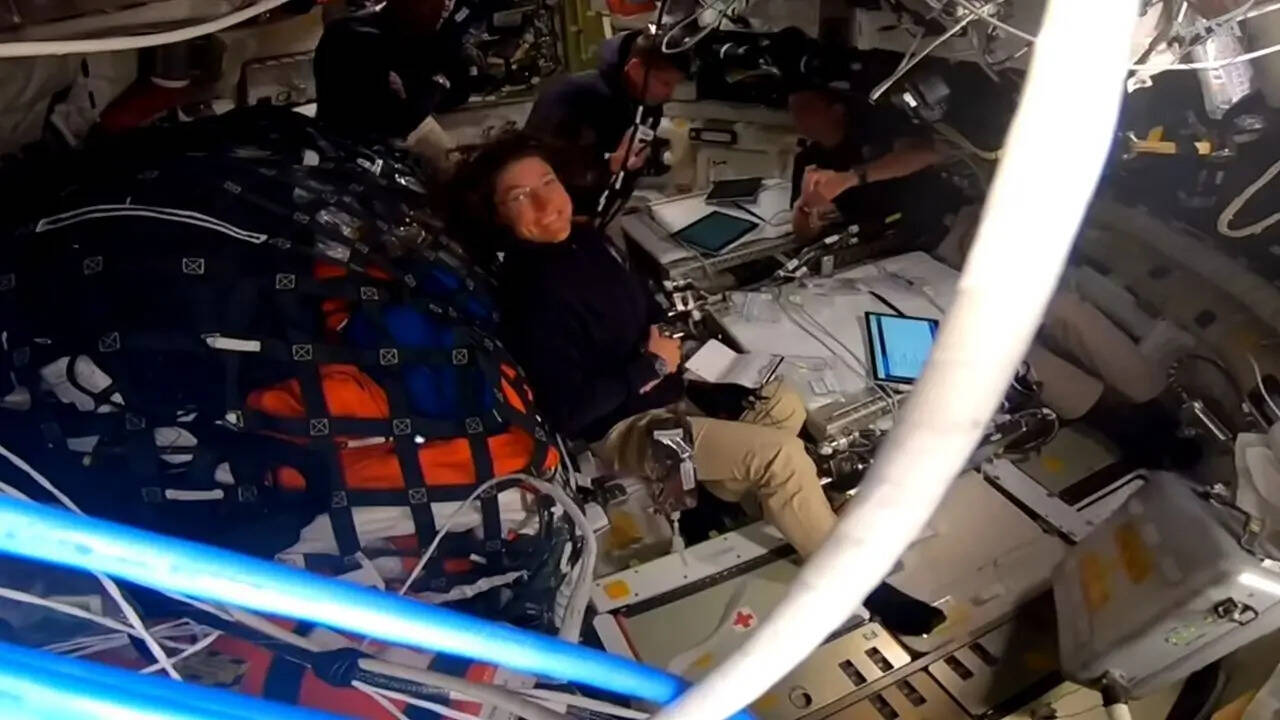
NASA has successfully restored communication with the Artemis 2 spacecraft after a tense 40-minute blackout. The four-person crew is safe and continues their journey toward the Moon. This brief loss of contact caused concern at Mission Control, but engineers were able to find the signal and confirm that all systems are working. This event highlights the risks and technical difficulties of sending humans back into deep space for the first time in over fifty years.
Main Impact
The restoration of the signal is a major relief for NASA and its partners. It allows the mission to continue without any changes to the flight path. If the blackout had lasted longer, it could have forced the crew to use emergency procedures or even consider an early return to Earth. Now that contact is back, flight controllers can see live data from the Orion capsule again. This ensures the safety of the astronauts and the success of the mission's goals.
Key Details
What Happened
During a standard part of the flight, the Orion spacecraft suddenly stopped sending data to Earth. This created a "silent zone" where Mission Control could not hear the crew or see how the ship was performing. NASA used its global network of giant radio dishes to search for the spacecraft. After 40 minutes of silence, the connection was found again. The crew reported that they were doing well and had not noticed any major problems inside the cabin during the silence.
Important Numbers and Facts
The blackout lasted for 40 minutes, which is a significant amount of time for a crewed mission. The Artemis 2 crew includes Commander Reid Wiseman, Pilot Victor Glover, and Mission Specialists Christina Koch and Jeremy Hansen. At the time of the event, the spacecraft was moving at high speeds thousands of miles away from Earth. The mission is expected to last about ten days in total, taking the crew around the far side of the Moon before they head back home.
Background and Context
Artemis 2 is a historic mission because it is the first time humans have flown near the Moon since the Apollo program ended in 1972. The goal of this flight is to test all the systems that keep humans alive in space. This includes the air scrubbers, the heating systems, and the communication tools. NASA needs to make sure everything works perfectly before they try to land people on the Moon during the Artemis 3 mission. Communication blackouts can happen because of the way the spacecraft turns or because of interference from the sun, but a 40-minute gap is longer than what is usually expected.
Public or Industry Reaction
People around the world followed the news closely as the blackout occurred. Space experts noted that while the Orion capsule is designed to fly itself if needed, having a human crew without a radio link is a serious situation. NASA officials praised the ground team for staying calm and following their training to find the signal. The Canadian Space Agency also shared a message of support, as one of their astronauts is part of the crew. Many people on social media expressed their excitement and relief when the news broke that the crew was back in contact.
What This Means Going Forward
NASA engineers will now spend hours looking at the data from those 40 minutes. They want to find the exact reason why the radio link failed. They will check if a piece of hardware got too hot or if there was a software error. The lessons learned from this event will be used to make the communication system stronger. This is important for future missions where astronauts will need to talk to Earth while they are walking on the lunar surface. For now, the Artemis 2 mission will proceed with its planned flyby of the Moon.
Final Take
The safe return of the signal reminds us that exploring space is never easy. Even with the best computers and the smartest scientists, the deep space environment is full of surprises. The fact that the crew and the ground team handled the situation so well shows that they are prepared for the challenges of the new lunar age. This mission continues to be a bold step for all of humanity as we look toward the stars once again.
Frequently Asked Questions
Why did the communication blackout happen?
NASA is still investigating the cause. It could have been a technical glitch in the Orion antenna or a temporary problem with the ground stations on Earth that track the ship.
Was the crew ever in physical danger?
The crew was safe because the spacecraft’s life-support systems work independently of the radio. However, not being able to talk to Earth makes it harder to handle other emergencies if they happen at the same time.
Will this delay the next Moon mission?
It is too early to tell. If the problem is easy to fix with a software update, there should be no delay. If it requires a hardware change, NASA might need more time to prepare for Artemis 3.

